Healthy Snacks
When it comes to staying motivated for health goals, having nutritious snacks on hand can make a big difference. These snacks can help maintain energy levels and keep you feeling motivated throughout the day.
Nutritious Snack Examples
- Almonds: Packed with protein and healthy fats, almonds can help keep you full and satisfied.
- Greek yogurt with berries: A combination of protein and antioxidants, this snack is great for a quick energy boost.
- Cut-up veggies with hummus: Providing fiber and vitamins, this snack is a crunchy and satisfying option.
- Apple slices with peanut butter: The perfect mix of sweet and savory, this snack offers a balance of carbohydrates and protein.
Importance of Healthy Snack Options
Having healthy snack options readily available is crucial for maintaining motivation towards your health goals. When you have nutritious snacks on hand, you are less likely to reach for unhealthy options out of convenience. By planning and preparing these snacks in advance, you can set yourself up for success and stay on track with your health journey.
Homemade vs. Store-bought Snacks
While store-bought snacks can be convenient, homemade snacks often offer more control over ingredients and nutritional content. By making your own snacks, you can avoid added sugars, preservatives, and unhealthy fats commonly found in packaged snacks. Additionally, homemade snacks can be tailored to your personal preferences and dietary needs, making them a healthier and more satisfying option in the long run.
Wellness Programs
Participating in wellness programs can significantly boost motivation for health goals by providing a structured and supportive environment for individuals to focus on their well-being. These programs offer a variety of activities and resources aimed at improving physical, mental, and emotional health, ultimately helping individuals stay on track with their health goals.
Examples of Activities in Wellness Programs
Wellness programs often include activities such as group fitness classes, nutritional counseling, stress management workshops, mindfulness sessions, health screenings, and challenges to promote healthy habits. These activities cater to different aspects of well-being and offer participants a holistic approach to improving their overall health.
Impact of Social Support in Wellness Programs on Motivation
Social support within wellness programs plays a crucial role in boosting motivation for health goals. By connecting with like-minded individuals, participants can share experiences, provide encouragement, and hold each other accountable. This sense of community and support fosters a positive environment where individuals feel motivated to stay committed to their health goals. The camaraderie and encouragement from peers can help individuals overcome challenges, stay motivated, and celebrate achievements along the way.
Physical Therapy
How to stay motivated for health goals – Physical therapy plays a crucial role in helping individuals stay motivated during recovery or rehabilitation. It focuses on improving mobility, strength, and overall physical function, which are essential aspects of health goals.
Benefits of Physical Therapy in Staying Motivated
- Physical therapists provide personalized plans tailored to individual needs and goals, creating a sense of direction and progress.
- Through guided exercises and techniques, physical therapy can help individuals overcome challenges and setbacks, boosting motivation.
- Regular sessions with a physical therapist offer accountability and support, keeping individuals on track with their health goals.
Success Stories of Health Goals Achieved with Physical Therapy
Many individuals have successfully maintained their health goals with the help of physical therapy. Here are a few inspiring stories:
“After a knee injury, I struggled to stay motivated to exercise and regain strength. Physical therapy not only helped me recover physically but also kept me motivated with structured routines and encouragement from my therapist.”
Role of Physical Therapists in Personalized Plans for Motivation
- Physical therapists assess individual needs and goals to create customized plans that align with specific health objectives.
- They incorporate motivational strategies and progress tracking to ensure consistency and positive outcomes.
- Physical therapists adapt plans based on feedback and progress, fostering a sense of achievement and motivation in individuals.
Health Coaching
Health coaching is a valuable resource for individuals looking to stay motivated and committed to their health goals. These professionals provide guidance, support, and accountability to help clients make positive changes in their lifestyle and achieve optimal health and wellness outcomes.
Benefits of Health Coaching
- Personalized guidance: Health coaches work closely with clients to create tailored plans that address their specific needs and goals.
- Accountability: Coaches help individuals stay on track by monitoring progress, providing feedback, and offering encouragement.
- Motivation: By setting achievable milestones and celebrating successes, health coaches keep clients motivated and focused on their health journey.
- Educational support: Coaches empower clients with knowledge about nutrition, exercise, stress management, and other health-related topics to make informed decisions.
Tips from Health Coaches
- Set SMART goals: Specific, Measurable, Achievable, Relevant, and Time-bound goals help track progress and maintain motivation.
- Prioritize self-care: Encourage clients to practice self-care activities such as mindfulness, relaxation techniques, and adequate sleep to support overall well-being.
- Focus on small changes: Incremental improvements lead to long-lasting results, so emphasize making gradual adjustments to habits and routines.
- Celebrate successes: Acknowledge achievements, no matter how small, to boost confidence and motivation along the health journey.
Accountability in Health Coaching
Health coaches play a crucial role in holding clients accountable for their actions and decisions related to health goals. By regularly checking in, reviewing progress, and offering support, coaches help individuals stay committed and motivated to make positive changes in their lifestyle. The sense of accountability created through the coaching relationship keeps clients focused on their goals and encourages them to take responsibility for their health outcomes.
Medical Advancements
Medical advancements have played a significant role in shaping motivation for health goals by providing individuals with cutting-edge tools and resources to improve their overall well-being. These innovations have not only made it easier to track progress but have also enhanced the effectiveness of preventive health measures.
Technological Innovations
- Wearable fitness trackers like Fitbit and Apple Watch have revolutionized the way people monitor their physical activity, sleep patterns, and overall health metrics.
- Telemedicine platforms allow individuals to consult with healthcare professionals remotely, making it more convenient to seek medical advice and follow-up on health goals.
- Virtual reality (VR) technology is being used in physical therapy to enhance rehabilitation exercises and improve patient outcomes.
Impact on Preventive Health Measures, How to stay motivated for health goals
- Advancements in genetic testing have enabled individuals to assess their risk for certain diseases and take proactive steps to prevent them through lifestyle modifications and early interventions.
- The development of personalized medicine has allowed for targeted treatments based on an individual’s genetic makeup, leading to more effective and tailored healthcare solutions.
- Medical imaging technologies like MRI and CT scans have improved early detection of diseases, enabling prompt treatment and better health outcomes.
Fitness Goals
Setting realistic fitness goals is crucial for maintaining long-term motivation on your health journey. By establishing achievable milestones, you are more likely to stay committed and see progress over time.
Importance of Realistic Goals
When it comes to fitness goals, it’s essential to set realistic expectations. This means taking into account your current fitness level, lifestyle, and time constraints. By setting achievable goals, you can avoid feeling overwhelmed or discouraged, increasing your chances of success.
Tracking Progress Strategies
- Utilize fitness apps or journals to track your workouts, progress, and measurements.
- Set regular check-ins to assess your achievements and make necessary adjustments to your fitness plan.
- Celebrate small victories along the way to stay motivated and engaged with your fitness journey.
Role of Workout Variety
Adding variety to your workouts can help prevent boredom and plateaus, keeping your fitness routine fresh and exciting. Incorporate different types of exercises, such as strength training, cardio, yoga, or sports, to challenge your body and mind. Trying new activities can also help you discover what you enjoy most and keep you motivated to continue pursuing your fitness goals.
Balanced Nutrition

Eating a well-balanced diet is crucial for maintaining motivation towards your health goals. Proper nutrition provides the necessary nutrients to fuel your body, enhance focus, and boost energy levels, ultimately supporting your overall well-being.
Nutrient-Dense Foods for Well-Being
Consuming nutrient-dense foods is essential for supporting your health goals. These foods are rich in vitamins, minerals, and antioxidants that promote overall well-being. Some examples of nutrient-dense foods include:
- Fruits and vegetables: Packed with essential vitamins, minerals, and fiber to support your immune system and digestion.
- Whole grains: Provide sustained energy and fiber for better digestion and heart health.
- Lean proteins: Essential for muscle repair and growth, supporting a strong and healthy body.
- Healthy fats: Found in foods like avocados, nuts, and seeds, these fats support brain function and heart health.
Impact of Hydration on Energy and Motivation
Staying hydrated is key to maintaining optimal energy levels and motivation throughout the day. Dehydration can lead to fatigue, decreased focus, and reduced physical performance. By drinking an adequate amount of water daily, you can improve your energy levels, cognitive function, and overall motivation to stay active and work towards your health goals.
Mental Strength
Building mental strength plays a crucial role in staying motivated for health goals. It involves developing resilience, overcoming challenges, and maintaining a positive mindset throughout the journey towards better health.
Techniques for Building Resilience
- Practice mindfulness and meditation to stay present and focused.
- Set realistic goals and celebrate small victories along the way.
- Develop a support system of friends, family, or a health coach to lean on during tough times.
- Learn from setbacks and use them as opportunities for growth and improvement.
Relationship Between Mindset and Achieving Health Milestones
- Having a positive mindset can lead to greater adherence to healthy habits and routines.
- Believing in your ability to reach your health goals can increase motivation and determination.
- Practicing self-care and self-compassion can help maintain mental strength and prevent burnout.
- Visualizing success and envisioning the benefits of reaching your health milestones can keep you motivated and focused.
Yoga Practice
Incorporating yoga into your routine can be a powerful tool in enhancing motivation for your health goals. Not only does it provide physical benefits, but it also nurtures mental strength and overall well-being.
Mental and Physical Benefits of Regular Yoga Practice
- Improves flexibility, strength, and balance
- Reduces stress and promotes relaxation
- Enhances focus and concentration
- Aids in better sleep quality
- Boosts mood and overall mental well-being
Different Types of Yoga Practices for Varying Fitness Levels
- Hatha Yoga: Great for beginners, focuses on basic poses and breathing techniques.
- Vinyasa Yoga: Involves flowing sequences of poses, suitable for those looking for a more dynamic practice.
- Ashtanga Yoga: A fast-paced, intense style that follows a specific sequence of poses, ideal for intermediate to advanced practitioners.
- Bikram Yoga: Practiced in a heated room, helps with detoxification and flexibility.
- Restorative Yoga: A gentle practice that uses props to support the body in relaxing poses, perfect for all levels.
Health Education
Maintaining motivation for wellness is crucial, and ongoing health education plays a vital role in achieving this. By staying informed about health-related topics, individuals can make better decisions regarding their health goals and overall well-being.
Role of Health Education
Health education provides individuals with the knowledge and tools needed to make informed decisions about their health. It helps in understanding the importance of various aspects such as nutrition, exercise, mental health, and preventive care. By continuously learning about new developments and best practices in health, individuals can stay motivated and committed to their wellness journey.
Resources for Health Education
– Online platforms: Websites, blogs, and reputable health organizations provide a wealth of information on various health topics.
– Health professionals: Doctors, nutritionists, and fitness trainers offer personalized advice and guidance for achieving health goals.
– Books and publications: Reading books and articles written by experts in the field can help individuals deepen their understanding of health-related concepts.
– Workshops and seminars: Attending health-related events can provide valuable insights and practical tips for maintaining wellness.
Impact of Knowledge on Decision Making
Knowledge empowers individuals to make informed decisions about their health goals. Understanding the science behind nutrition, exercise, and other health practices helps individuals make choices that align with their goals. By being aware of the latest research and guidelines, individuals can adjust their approach to health and wellness to achieve better outcomes.
Weight Management
When it comes to weight management, staying motivated is key to achieving your goals effectively. It requires dedication, perseverance, and a holistic approach to ensure long-term success.
Strategies for Staying Motivated
Here are some strategies to help you stay motivated while managing your weight:
- Set realistic and achievable goals to track your progress.
- Stay consistent with your diet and exercise routine.
- Find a support system, whether it’s friends, family, or a support group.
- Reward yourself for reaching milestones along the way.
Success Stories
There are numerous inspiring success stories of individuals who have achieved their weight management goals through hard work and dedication. These stories serve as a source of motivation and prove that with the right mindset, anything is possible.
Holistic Approach to Weight Management
It’s essential to take a holistic approach to weight management, focusing not only on diet and exercise but also on mental well-being, emotional health, and overall lifestyle choices. By addressing all aspects of your health, you can achieve long-term success in managing your weight.
Health Checkups
Regular health checkups play a crucial role in staying motivated for overall well-being. By monitoring our health status through routine screenings, we can detect any potential issues early on and take proactive steps to address them. This proactive approach not only helps in maintaining good health but also serves as a source of motivation to prioritize our well-being.
Significance of Regular Health Checkups
- Regular health checkups help in identifying any underlying health issues that may not have noticeable symptoms.
- Early detection through routine screenings can lead to timely interventions and better treatment outcomes.
- Monitoring key health markers during checkups can motivate individuals to make positive lifestyle changes to improve their overall health.
Benefits of Early Detection
- Early detection of health conditions allows for timely medical interventions, reducing the risk of complications.
- Routine screenings can help in detecting diseases such as cancer at an early stage when treatment is most effective.
- Knowing your health status through checkups can empower you to take control of your health and make informed decisions.
Motivation to Prioritize Health
- Health checkups serve as a reminder to prioritize self-care and make health a top priority in our lives.
- Seeing improvements in our health markers as a result of lifestyle changes can be a strong motivator to continue making healthy choices.
- Regular checkups provide a sense of accountability and encouragement to stay on track with our health goals.
Skin Health
Maintaining skin health is not just about appearance; it is crucial for overall well-being and can significantly impact your motivation in achieving health goals. Your skin is a reflection of your internal health, and taking care of it can boost your confidence and mental well-being, keeping you motivated to stay on track with your health goals.
Skincare Routines and Practices
Implementing a consistent skincare routine is essential for achieving and maintaining healthy skin. This includes cleansing, exfoliating, moisturizing, and protecting your skin from the sun. Additionally, incorporating products with antioxidants and vitamins can help nourish your skin and promote a youthful glow.
Lifestyle Factors and Skin Health
Various lifestyle factors such as diet, stress levels, sleep quality, and hydration can significantly impact the health of your skin. A balanced diet rich in fruits, vegetables, and healthy fats can provide essential nutrients for your skin. Managing stress and getting an adequate amount of sleep can also help prevent skin issues and maintain a healthy complexion.
Emotional Health
Emotional well-being plays a crucial role in staying motivated to achieve your health goals. When you are mentally strong and emotionally balanced, you are more likely to stay committed to your wellness journey.
Managing Stress and Emotional Balance
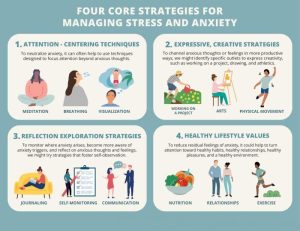
Life can be stressful, and it’s important to have coping mechanisms in place to deal with the pressures that may come your way. Here are some strategies to help you manage stress and maintain emotional balance:
- Practice mindfulness and meditation to stay present and calm.
- Engage in regular physical activity to release endorphins and reduce stress.
- Connect with loved ones for emotional support and a sense of belonging.
- Set realistic goals and prioritize tasks to avoid feeling overwhelmed.
Importance of Self-Care Practices
Self-care is not selfish; it is a necessary part of nurturing your emotional health and staying motivated on your health journey. Here’s why self-care practices are essential:
- Self-care helps you recharge and prevent burnout, keeping you energized and focused.
- It allows you to listen to your body’s needs and address them proactively.
- Engaging in activities you enjoy boosts your mood and overall well-being.
- Self-care fosters a positive relationship with yourself, promoting self-love and acceptance.
Health Motivation
Staying motivated towards health goals can be a challenging journey, but it is definitely achievable with the right mindset and strategies in place. In this section, we will explore personal stories of overcoming obstacles, the importance of rewards and incentives, and tips for reigniting motivation during tough times.
Personal Stories of Overcoming Obstacles
One of the most powerful ways to stay motivated is by hearing the personal stories of others who have overcome obstacles on their health journey. These stories serve as inspiration and remind us that setbacks are just temporary roadblocks on the path to success.
Role of Rewards and Incentives
Rewards and incentives play a crucial role in boosting motivation for health achievements. Whether it’s treating yourself to a massage after reaching a fitness milestone or rewarding yourself with a new workout outfit, these little perks can keep you motivated and excited to continue working towards your goals.
Tips for Reigniting Motivation
- Set new, achievable goals: Sometimes, changing up your goals or setting new ones can reignite your motivation and drive to succeed.
- Find a workout buddy: Having a friend or partner to exercise with can make workouts more fun and keep you accountable.
- Reward yourself along the way: Celebrate small victories and milestones with little rewards to keep your motivation levels high.
- Practice self-compassion: Remember to be kind to yourself during challenging times and avoid being too hard on yourself if you slip up.
Physical Activities

Regular physical activities play a crucial role in maintaining motivation for health goals. Not only do they improve physical fitness, but they also have a positive impact on mental well-being, which is essential for staying motivated.
Diverse Physical Activities
- Cardiovascular exercises such as running, cycling, or swimming are great for improving heart health and overall endurance.
- Strength training activities like weightlifting or bodyweight exercises help build muscle mass and increase metabolism.
- Flexibility exercises such as yoga or Pilates improve range of motion and reduce the risk of injuries.
- Group fitness classes like Zumba, kickboxing, or dance aerobics provide a fun and social way to stay active.
Benefits of Incorporating Movement
Adding movement to your daily routine not only helps in achieving fitness goals but also boosts motivation in the following ways:
- Increases energy levels and reduces feelings of fatigue, making it easier to stay focused and driven towards health goals.
- Enhances mood by releasing endorphins, the “feel-good” hormones, which can help combat stress, anxiety, and depression.
- Improves sleep quality, leading to better rest and recovery, which is essential for overall well-being and motivation.
- Boosts self-confidence and body image, encouraging a positive attitude towards health and fitness goals.
Health Awareness
Health awareness plays a crucial role in motivating individuals to prioritize their well-being and make positive lifestyle changes. By educating people about various health-related issues, they become more informed and empowered to take control of their own health.
Importance of Health Awareness
Raising awareness about health-related issues can help individuals understand the importance of preventive care, early detection of diseases, and the impact of lifestyle choices on overall well-being. It can also help reduce stigma around certain health conditions and encourage people to seek help when needed.
- Increased awareness can lead to early intervention and treatment of health issues, ultimately improving health outcomes.
- By promoting health awareness, individuals are more likely to adopt healthier habits and make informed choices about their diet, exercise, and overall wellness.
- Health awareness campaigns can also help debunk myths and misinformation surrounding health topics, leading to better-informed decisions.
Examples of Health Awareness Campaigns
Several initiatives and campaigns have been successful in promoting health awareness and encouraging positive behavior change:
- The “Movember” campaign raises awareness about men’s health issues, such as prostate cancer and mental health, by encouraging men to grow mustaches during the month of November.
- The “Stoptober” campaign urges smokers to quit smoking for the month of October, highlighting the benefits of a smoke-free lifestyle.
- The American Heart Association’s “Go Red for Women” campaign raises awareness about heart disease in women and educates them about the risk factors and symptoms.
Impact of Increased Awareness on Motivation
When individuals are more aware of the importance of health and well-being, they are motivated to make positive changes in their lives. Increased awareness can:
- Empower individuals to take charge of their health and seek preventive care.
- Motivate people to engage in regular physical activity and adopt healthier eating habits.
- Encourage individuals to prioritize mental health and seek support when needed.
Preventive Medicine
Preventive medicine plays a crucial role in maintaining motivation for health goals by focusing on proactive measures to prevent health issues before they arise. By taking preventive actions, individuals can not only avoid potential health problems but also stay motivated to continue their health journey in the long run.
Preventive Measures for Health
- Regular health check-ups: Schedule routine check-ups with healthcare providers to detect any potential health issues early on.
- Healthy lifestyle choices: Incorporate balanced nutrition, regular physical activity, and sufficient sleep into your daily routine to maintain overall health.
- Vaccinations: Stay up to date with recommended vaccinations to protect yourself from preventable diseases.
- Stress management: Practice relaxation techniques, such as meditation or deep breathing exercises, to reduce stress levels and improve mental well-being.
- Avoid harmful habits: Quit smoking, limit alcohol consumption, and avoid substance abuse to lower the risk of developing chronic conditions.
Impact of Proactive Healthcare
Proactive healthcare not only helps in preventing diseases but also fosters a sense of empowerment and control over one’s health. By taking charge of preventive measures, individuals are more likely to stay motivated in achieving their health goals and lead a fulfilling life with reduced health risks in the future.
Nutritional Counseling
Nutritional counseling plays a crucial role in helping individuals stay motivated to achieve their health goals. By working with a nutritionist, individuals can receive personalized guidance and support to make dietary changes that align with their specific needs and objectives.
Benefits of Nutritional Counseling
- Professional Guidance: Nutritionists are trained experts who can provide evidence-based recommendations tailored to an individual’s health goals and lifestyle.
- Accountability: Regular sessions with a nutritionist help individuals stay on track and accountable for their dietary choices, fostering motivation and consistency.
- Educational Support: Nutritionists can educate individuals on the importance of balanced nutrition, empowering them to make informed decisions about their diet.
- Behavioral Changes: Nutritional counseling can help individuals identify and address unhealthy eating habits, promoting long-term changes for better health outcomes.
Personalized Approach of Nutritional Counseling
Nutritional counseling takes into account an individual’s unique preferences, medical history, dietary restrictions, and lifestyle factors to create a customized plan that supports their health goals. This personalized approach ensures that individuals feel motivated and empowered to make sustainable changes to their diet.
Healthy Mind
Maintaining a healthy mind is crucial for staying motivated and achieving overall health goals. A positive mindset plays a significant role in driving you towards making healthy choices and sticking to your wellness routines.
Practices for Enhancing Mental Well-being
- Practice mindfulness and meditation to reduce stress and improve focus.
- Engage in hobbies or activities that bring you joy and relaxation.
- Spend time in nature to rejuvenate your mind and boost mental clarity.
- Socialize with friends and loved ones to strengthen your support system and enhance emotional well-being.
- Adequate rest and quality sleep are essential for mental rejuvenation and cognitive function.
Interplay Between Mental Health and Physical Health
Our mental health directly impacts our physical health and vice versa. A positive mindset can boost our immune system, increase our resilience to illnesses, and speed up recovery processes. On the other hand, chronic stress, anxiety, or depression can weaken our immune system, disrupt our sleep patterns, and hinder our ability to make healthy choices. By prioritizing mental well-being, we can maintain the motivation needed to pursue our health goals consistently.
Top FAQs: How To Stay Motivated For Health Goals
How can I stay motivated when faced with setbacks?
It’s essential to focus on progress rather than perfection. Embrace setbacks as learning opportunities and adjust your approach accordingly to stay motivated.
What role does social support play in maintaining motivation for health goals?
Social support can be a powerful motivator by providing encouragement, accountability, and a sense of community. Surround yourself with individuals who share your health goals for added motivation.


More Stories
How to promote preventive medicine practices: A Guide to Enhancing Health and Wellness
Health awareness and educational programs: Promoting Wellness Through Knowledge
Health motivation through tracking progress: Stay on track to achieve your wellness goals