Techniques for managing anxiety and worry
Anxiety and worry can be overwhelming at times, but there are effective techniques to help manage these feelings and promote a sense of calm and well-being.
Mindfulness for Reducing Anxiety
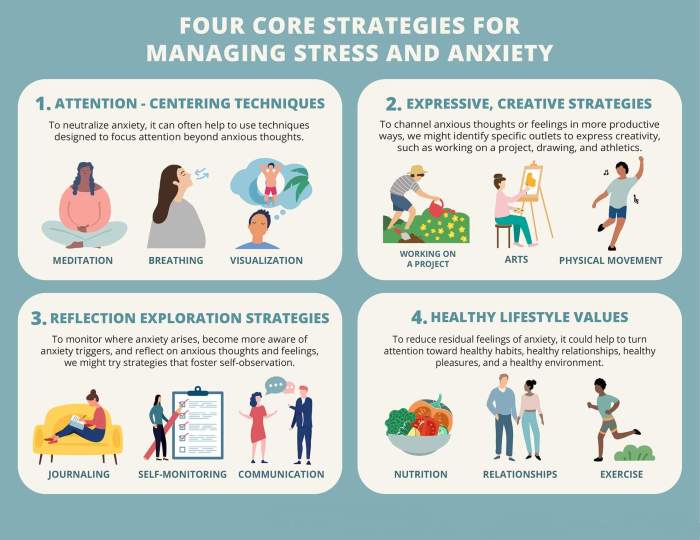
Mindfulness is the practice of being fully present in the moment without judgment. By focusing on the present moment, individuals can reduce anxiety related to future uncertainties or past regrets. Mindfulness techniques, such as meditation or deep breathing exercises, can help individuals acknowledge their anxious thoughts without becoming consumed by them.
Relaxation Techniques
Different relaxation techniques, such as deep breathing exercises or progressive muscle relaxation, can help to calm the mind and body. Deep breathing involves taking slow, deep breaths to help relax the body and reduce stress. Progressive muscle relaxation involves tensing and then relaxing different muscle groups to release tension and promote relaxation.
Benefits of Journaling
Journaling can be a powerful tool for managing worry and anxiety. By writing down anxious thoughts and feelings, individuals can gain insight into their triggers and patterns of worry. Journaling can also provide a sense of release and relief by externalizing anxious thoughts onto paper.
Physical Activity for Alleviating Anxiety
Engaging in physical activity, such as exercise or yoga, can help alleviate symptoms of anxiety. Physical activity releases endorphins, which are natural mood lifters, and can help reduce feelings of anxiety and stress. Regular exercise can also improve sleep quality and overall well-being, contributing to a reduction in anxiety symptoms.
Healthy Snacks: Techniques For Managing Anxiety And Worry
Healthy snacks play a crucial role in maintaining stable moods and reducing stress levels. By choosing nutritious options and balancing macronutrients, you can support your overall well-being and manage anxiety effectively.
Examples of Nutritious Snacks
- Fruit and nut mix: A combination of fresh fruits and unsalted nuts provides a good balance of carbohydrates, healthy fats, and protein.
- Greek yogurt with berries: This snack offers a mix of protein, probiotics, and antioxidants to support gut health and mood regulation.
- Veggie sticks with hummus: Crunchy vegetables paired with a protein-rich dip like hummus make for a satisfying and nutritious snack.
Importance of Balancing Macronutrients
Techniques for managing anxiety and worry – When preparing snacks, it’s essential to include a combination of carbohydrates, proteins, and fats to sustain energy levels and keep blood sugar stable. This balance helps prevent mood swings and promotes a sense of calmness throughout the day.
Tips for Preparing Healthy Snacks in Advance
- Plan ahead: Take time to prepare snacks in bulk and portion them out for convenience.
- Choose whole foods: Opt for minimally processed ingredients to maximize nutritional benefits.
- Include variety: Experiment with different flavors and textures to keep your snacks interesting and enjoyable.
Connection Between Blood Sugar Levels and Anxiety
Unstable blood sugar levels can contribute to feelings of anxiety and stress. By consuming balanced snacks throughout the day, you can help regulate blood sugar levels and prevent sudden spikes or crashes that may worsen anxiety symptoms.
Wellness Programs
Wellness programs play a crucial role in addressing mental health by providing individuals with tools and resources to manage anxiety and stress effectively.
Components of a Comprehensive Wellness Program
A comprehensive wellness program that addresses mental health typically includes a variety of components, such as:
- Educational workshops on stress management techniques
- Access to mental health resources and support services
- Physical wellness activities like yoga or meditation classes
- Healthy lifestyle initiatives including nutrition counseling
Role of Social Support in Wellness Programs
Social support plays a crucial role in wellness programs for managing anxiety and stress by providing individuals with a sense of community, belonging, and understanding. It can include:
- Peer support groups for sharing experiences and coping strategies
- Employee assistance programs offering confidential counseling services
- Mentorship programs to guide individuals through challenging times
Examples of Workplace Wellness Programs
Many workplaces have implemented wellness programs that focus on mental well-being to support their employees. Examples include:
- Offering mindfulness and meditation sessions during lunch breaks
- Providing access to confidential counseling services for employees
- Organizing team-building activities to foster a sense of community and support
Empowerment through Wellness Programs
Wellness programs empower individuals to take control of their mental health by equipping them with the knowledge and tools needed to manage anxiety and stress effectively. This can lead to increased resilience, improved well-being, and a better quality of life.
Physical Therapy
Physical therapy techniques can be a valuable tool in reducing the physical symptoms of anxiety. By incorporating exercises tailored specifically for anxiety relief, individuals can experience relief from tension, muscle tightness, and other physical manifestations of anxiety.
Benefits of Incorporating Exercises for Anxiety Relief
- Improved blood circulation and oxygen flow, leading to reduced stress levels.
- Strengthening of muscles to better support the body during times of stress or panic.
- Promotion of relaxation and release of endorphins, the body’s natural mood elevators.
Success Stories in Managing Anxiety through Physical Therapy
- John, who suffered from panic attacks, found relief through regular physical therapy sessions that included breathing exercises and muscle relaxation techniques.
- Sarah, who experienced chronic muscle tension due to anxiety, saw significant improvement in her symptoms after working with a physical therapist on targeted exercises.
Role of a Physical Therapist in Anxiety Management
A physical therapist plays a crucial role in creating personalized plans for anxiety management. By assessing an individual’s physical symptoms and limitations, a physical therapist can design exercises and techniques that address specific needs and goals.
Health Coaching
Health coaches play a crucial role in supporting individuals dealing with anxiety and worry by providing personalized guidance and strategies to help them manage their mental health effectively.
Strategies for Goal Setting
Health coaches assist clients in setting realistic goals for managing anxiety by:
- Identifying triggers and stressors that contribute to anxiety.
- Creating action plans with achievable steps to address anxiety symptoms.
- Encouraging self-reflection to track progress and make necessary adjustments.
- Setting SMART goals (Specific, Measurable, Achievable, Relevant, Time-bound) to ensure success.
Importance of Accountability and Motivation
Accountability and motivation are essential in health coaching for anxiety management as they:
- Help clients stay committed to their goals and progress.
- Provide a support system to encourage clients during challenging times.
- Enhance self-awareness and self-efficacy in managing anxiety symptoms.
- Boost confidence and resilience to overcome setbacks and obstacles.
Complementing Traditional Therapy
Health coaching complements traditional therapy for a holistic approach to mental health by:
- Offering ongoing support and guidance outside of therapy sessions.
- Empowering clients to implement coping strategies in their daily lives.
- Addressing lifestyle factors that impact mental well-being, such as nutrition and exercise.
- Promoting long-term behavior change for sustainable anxiety management.
Medical Advancements
Anxiety disorders can be debilitating for many individuals, impacting their daily lives and overall well-being. Fortunately, advancements in medical treatments offer hope for those struggling with anxiety. From innovative technologies to pharmacological breakthroughs, the landscape of anxiety management is evolving rapidly.
Virtual Reality Therapy
Virtual reality therapy is a promising treatment option for anxiety disorders. By immersing individuals in virtual environments that simulate anxiety-inducing situations, this therapy helps them confront their fears in a controlled setting. Through repeated exposure, patients can learn to manage their anxiety responses and develop coping mechanisms.
Pharmacological Treatments
Medication plays a crucial role in treating anxiety disorders, and there have been significant advancements in pharmacological treatments. Newer medications with improved efficacy and fewer side effects are constantly being developed, providing more options for individuals struggling with anxiety. It is essential for healthcare providers to tailor medication regimens to each patient’s specific needs and monitor their progress closely.
Biofeedback Techniques
Biofeedback is a non-invasive therapy that teaches individuals to control physiological responses, such as heart rate and muscle tension, through real-time monitoring. By providing visual or auditory feedback, biofeedback helps individuals become more aware of their body’s stress responses and learn to regulate them effectively. This technique can be a valuable tool in managing anxiety and promoting relaxation.
Future Implications
Medical advancements in anxiety treatment are continuously shaping the future of mental healthcare. As technology continues to advance, we can expect more personalized and innovative approaches to managing anxiety disorders. By embracing these advancements and integrating them into clinical practice, healthcare providers can offer more effective and holistic care to individuals struggling with anxiety.
Fitness Goals
Physical fitness plays a crucial role in managing anxiety as it helps in releasing endorphins, improving mood, and reducing stress levels. Setting realistic fitness goals can be a powerful tool in alleviating anxiety symptoms and promoting overall well-being.
Benefits of Setting Realistic Fitness Goals
Setting realistic fitness goals provides a sense of accomplishment and progress, which can boost self-esteem and confidence. This, in turn, can help in managing anxiety by enhancing feelings of empowerment and control over one’s life.
- Start small and gradually increase intensity to avoid burnout and stay motivated.
- Set specific, measurable, achievable, relevant, and time-bound (SMART) goals to track progress effectively.
- Focus on consistency rather than perfection to build sustainable habits and maintain long-term fitness.
Types of Exercises for Anxiety Relief
Various types of exercises can be particularly beneficial for reducing anxiety and improving mental well-being. Incorporating a combination of aerobic, strength training, and mind-body exercises can help in managing stress and anxiety effectively.
- Aerobic exercises like running, cycling, or dancing can elevate mood and reduce anxiety symptoms by increasing endorphin levels.
- Strength training exercises such as weightlifting or bodyweight exercises can improve overall physical health and boost self-confidence.
- Mind-body exercises like yoga, tai chi, or Pilates can help in calming the mind, reducing stress, and promoting relaxation.
Balanced Nutrition
Maintaining a balanced diet is crucial for supporting mental health and effectively managing anxiety. The foods we consume play a significant role in how our brain functions and how we cope with stress and worry.
Role of Omega-3 Fatty Acids
Omega-3 fatty acids, found in fatty fish like salmon and walnuts, are known for their potential to reduce anxiety symptoms. These essential fats help regulate neurotransmitters in the brain, such as serotonin and dopamine, which are important for mood stability.
- Include sources of omega-3 fatty acids in your diet, such as flaxseeds, chia seeds, and fish like salmon and mackerel.
- Consider taking fish oil supplements if you are not able to consume enough omega-3 rich foods.
- Consult with a healthcare provider before adding supplements to your routine.
Role of Magnesium
Magnesium is a mineral that plays a key role in relaxation and stress management. It can help calm the nervous system and reduce anxiety levels.
- Incorporate magnesium-rich foods into your meals, such as almonds, spinach, and avocado.
- Consider magnesium supplements under the guidance of a healthcare professional to ensure proper dosage and effectiveness.
- Be mindful of your magnesium intake as excessive amounts can have adverse effects.
Meal Planning Tips for Anxiety Management
Proper meal planning can ensure that you are getting the nutrients needed to support your mental well-being and manage anxiety effectively.
- Focus on including a variety of colorful fruits and vegetables in your meals to ensure a range of vitamins and minerals.
- Incorporate lean proteins like poultry, beans, and tofu to support neurotransmitter function.
- Avoid excessive caffeine and sugar, as they can exacerbate anxiety symptoms.
Gut Health and Anxiety
The gut-brain connection is a well-established link that highlights the impact of gut health on mental well-being. A healthy gut microbiome can contribute to reduced anxiety levels.
Probiotic-rich foods like yogurt, kefir, and sauerkraut can support a healthy gut and potentially improve anxiety symptoms.
- Include fiber-rich foods like whole grains, legumes, and fruits to promote gut health.
- Stay hydrated and drink plenty of water to support digestion and nutrient absorption.
- Avoid processed foods and artificial ingredients that can disrupt the balance of gut bacteria.
Mental Strength
Building mental resilience is crucial in managing anxiety and worry. It involves developing strategies to strengthen the mind and cope with challenging situations. One effective approach is utilizing cognitive-behavioral techniques to enhance mental fortitude.
Cognitive-Behavioral Techniques for Mental Strength
- Identifying and challenging negative thought patterns
- Practicing mindfulness and staying present in the moment
- Engaging in positive self-talk and affirmations
- Setting realistic goals and taking small steps towards achieving them
Importance of Self-Care in Building Mental Resilience
Self-care practices play a vital role in nurturing mental strength. Taking care of your physical, emotional, and mental well-being can help you better cope with stress and anxiety. Prioritizing activities that bring you joy, relaxation, and peace of mind can contribute to building resilience in the face of challenges.
Yoga Practice
Yoga is a holistic practice that has been known to calm the mind, reduce anxiety, and improve overall mental well-being. Through a combination of physical postures, breathing exercises, and meditation, yoga helps create a sense of balance and harmony within the body and mind.
Benefits of Yoga in Managing Anxiety
- Yoga helps reduce stress and anxiety by promoting relaxation and mindfulness.
- Regular practice of yoga can lower cortisol levels, the stress hormone, in the body.
- Yoga increases self-awareness and promotes a sense of inner peace and calmness.
Specific Yoga Poses for Anxiety Management
-
Child’s Pose (Balasana):
This gentle pose helps to release tension in the back, shoulders, and chest, promoting relaxation.
-
Legs Up the Wall Pose (Viparita Karani):
This restorative pose helps calm the nervous system and reduce anxiety symptoms.
-
Corpse Pose (Savasana):
This final relaxation pose allows for deep rest and rejuvenation, reducing stress and anxiety levels.
Mind-Body Connection in Yoga Practice
Yoga emphasizes the connection between the body and mind, recognizing that physical movements and breathing techniques can directly impact mental well-being. By focusing on the present moment and tuning into the body’s sensations during yoga practice, individuals can cultivate mindfulness and reduce anxiety symptoms.
Incorporating Mindfulness into Yoga Practice
- Practicing mindfulness during yoga involves paying full attention to the present moment without judgment.
- Mindful breathing techniques in yoga help calm the mind and reduce racing thoughts associated with anxiety.
- By integrating mindfulness into yoga poses and sequences, individuals can enhance the effectiveness of anxiety management and promote overall mental clarity.
Health Education
Educating individuals about anxiety disorders and mental health is crucial in promoting overall well-being and reducing stigma associated with these conditions. By providing comprehensive health education on anxiety management, individuals can better understand their symptoms, learn coping strategies, and feel empowered to seek help and support when needed.
Importance of Health Education on Anxiety Management
Health education plays a vital role in raising awareness about anxiety disorders and mental health issues. It helps individuals recognize symptoms, understand the impact on daily life, and learn effective strategies for managing anxiety. By promoting mental health literacy through education, we can reduce misconceptions and stigma surrounding these conditions.
- Health education empowers individuals: By providing accurate information and resources, health educators can empower individuals to take control of their mental health and seek appropriate support.
- Destigmatizing mental health: Through education, we can challenge stereotypes and promote a more accepting and understanding attitude towards those struggling with anxiety disorders.
- Encouraging help-seeking behavior: Health education can help individuals recognize when they need support and encourage them to seek help from healthcare professionals or support groups.
Weight Management
Managing weight is an essential aspect of overall health and well-being, with a significant impact on mental health and anxiety levels.
Healthy Approaches to Weight Management
- Focus on balanced nutrition by incorporating a variety of fruits, vegetables, whole grains, lean proteins, and healthy fats into your diet.
- Avoid restrictive diets or extreme measures, as they can lead to increased stress and anxiety.
- Stay hydrated and mindful of portion sizes to support a healthy weight.
- Engage in regular physical activity that you enjoy, such as walking, dancing, or yoga, to maintain a healthy weight and reduce anxiety.
Setting Realistic Weight Management Goals
- Consult with a healthcare provider or nutritionist to establish achievable weight management goals that consider your individual needs and lifestyle.
- Set small, attainable goals that can be gradually increased over time to prevent feelings of overwhelm and anxiety.
- Celebrate your progress and accomplishments along the way to stay motivated and positive.
- Focus on overall health and well-being rather than just the number on the scale to maintain a healthy perspective.
Positive Impact of Healthy Weight on Mental Health
- Achieving a healthy weight can improve self-esteem and body image, leading to reduced anxiety and increased confidence.
- Physical activity releases endorphins, which are known to elevate mood and alleviate symptoms of anxiety.
- Reducing excess weight can lower the risk of chronic conditions related to obesity, such as heart disease and diabetes, contributing to overall mental well-being.
- Establishing healthy habits around nutrition and exercise can create a sense of control and empowerment, reducing feelings of anxiety and stress.
Health Checkups
Regular health checkups play a crucial role in monitoring both physical and mental well-being. These routine screenings help detect any early signs of anxiety or related conditions, allowing for timely intervention and treatment. Healthcare providers play a vital role in conducting comprehensive health checkups that include assessments for anxiety management, providing a holistic approach to overall well-being.
Importance of Routine Health Screenings, Techniques for managing anxiety and worry
- Early Detection: Regular health checkups can detect underlying issues or changes in physical and mental health before they escalate.
- Preventive Care: By identifying risk factors early on, preventive measures can be implemented to mitigate the development of anxiety or related conditions.
- Monitoring Progress: Health screenings enable individuals to track their health status over time and make informed decisions about their well-being.
Skin Health
An individual’s skin health is not only important for physical appearance but also plays a significant role in mental well-being. The condition of our skin can be closely linked to our levels of stress and anxiety, making it essential to address these factors for overall wellness.
Stress and anxiety can have a direct impact on various skin conditions, such as acne, eczema, psoriasis, and even premature aging. When our bodies are under stress, it can trigger inflammation, hormonal imbalances, and impaired skin barrier function, leading to flare-ups and worsening of existing skin issues.
Skincare Tips and Routines for Managing Anxiety-Related Skin Issues
- Establish a consistent skincare routine: Regular cleansing, moisturizing, and protection from the sun can help maintain skin health and reduce anxiety-induced breakouts.
- Practice relaxation techniques: Incorporating stress-relieving activities like deep breathing, meditation, or yoga can help lower stress levels and improve skin conditions.
- Stay hydrated and eat a balanced diet: Proper hydration and nutrition are vital for skin health and overall well-being, so ensure you are fueling your body with the right nutrients.
- Avoid triggers: Identify factors that worsen your skin condition during times of stress, such as certain foods, environmental factors, or skincare products, and try to minimize exposure to them.
Emotional Health
Emotional health plays a crucial role in managing anxiety and worry. It involves understanding and regulating our emotions effectively, which can help us cope with stress and anxiety in a healthy way. Cultivating emotional resilience and implementing coping strategies are essential for maintaining emotional well-being.
Cultivating Emotional Resilience
Building emotional resilience involves developing the ability to bounce back from challenges and setbacks. Here are some strategies to help cultivate emotional resilience:
- Practice self-care: Prioritize activities that promote relaxation and well-being, such as exercise, meditation, or hobbies.
- Develop a support network: Surround yourself with positive and supportive individuals who can offer encouragement during difficult times.
- Enhance problem-solving skills: Learn to approach problems with a solution-focused mindset, breaking them down into manageable steps.
- Practice gratitude: Cultivating a sense of gratitude can help shift your focus to positive aspects of life, even during challenging times.
Role of Emotional Intelligence
Emotional intelligence involves the ability to recognize, understand, and manage your own emotions, as well as empathize with others. Understanding your emotional triggers can help you address anxiety more effectively. Here are some ways emotional intelligence can aid in anxiety management:
- Identifying triggers: Recognizing specific situations or thoughts that lead to anxiety can help you proactively manage them.
- Developing self-awareness: Pay attention to your emotional responses and learn to regulate them in a healthy manner.
- Building empathy: Understanding the emotions of others can enhance your interpersonal relationships and provide support during stressful times.
- Effective communication: Expressing your feelings and needs clearly can help reduce misunderstandings and alleviate anxiety.
Benefits of Emotional Health Practices
Engaging in practices that promote emotional health, such as mindfulness or therapy, can significantly contribute to anxiety management. These practices provide tools and techniques to cope with stress and regulate emotions effectively. Here are some benefits of incorporating emotional health practices into your routine:
- Stress reduction: Mindfulness techniques can help you stay present and calm in the face of anxiety-inducing situations.
- Improved self-awareness: Therapy sessions can help you explore and understand underlying emotions that contribute to anxiety.
- Enhanced coping skills: Learning healthy coping mechanisms through therapy can empower you to navigate stressful situations more effectively.
- Increased resilience: Regular practice of emotional health techniques can build resilience and strengthen your ability to bounce back from challenges.
Health Motivation
Maintaining healthy habits for anxiety management requires a significant amount of motivation. Without proper motivation, it can be challenging to stay consistent and committed to the journey towards better mental health and well-being. Motivation acts as the driving force behind our actions and decisions, influencing our ability to make positive choices that benefit our overall health.
Tips for Staying Motivated
- Set specific and achievable goals: Break down your larger mental health goals into smaller, more manageable steps to keep yourself motivated and on track.
- Find a support system: Surround yourself with friends, family, or a support group who can encourage and motivate you during difficult times.
- Reward yourself: Celebrate small victories along the way to boost your motivation and reinforce positive behavior patterns.
- Stay positive: Focus on the progress you’ve made rather than any setbacks, and practice self-compassion to maintain motivation levels.
Intrinsic vs. Extrinsic Motivation
- Intrinsic motivation comes from within and is driven by personal satisfaction and enjoyment of the activity itself. It can be more sustainable in the long run for anxiety management goals.
- Extrinsic motivation, on the other hand, comes from external factors such as rewards, praise, or recognition. While helpful in the short term, it may not provide lasting motivation for mental health habits.
- Understanding your primary source of motivation can help you tailor your approach to managing anxiety and maintaining healthy habits effectively.
Celebrating Small Victories
- Recognizing and celebrating even the smallest achievements in your mental health journey can boost your motivation and resilience to overcome challenges.
- By acknowledging your progress and giving yourself credit for the steps you’ve taken, you can stay motivated and continue working towards better mental well-being.
- Small victories serve as reminders of your capabilities and strengths, reinforcing your commitment to managing anxiety and prioritizing your health.
Physical Activities
Regular physical activities play a crucial role in managing anxiety and improving mental health. Engaging in exercise can help alleviate symptoms of anxiety and boost overall well-being.
Effective Physical Activities for Anxiety Management
- Cardiovascular exercises like running, cycling, or swimming can help release endorphins and reduce stress.
- Yoga and Pilates focus on breath control and mindfulness, promoting relaxation and reducing anxiety levels.
- Strength training not only improves physical health but also boosts self-esteem and confidence, which can help in managing anxiety.
Importance of Enjoyable Physical Activities
Finding physical activities that you enjoy is essential for maintaining motivation to manage anxiety. When you look forward to your workouts, you are more likely to stick to a routine and experience the long-term benefits.
Endorphins and Anxiety Relief
Physical activity triggers the release of endorphins, also known as “feel-good” hormones, which can help alleviate anxiety symptoms and improve mood. This natural chemical response in the body can contribute to a sense of well-being and calmness.
Health Awareness
Health awareness plays a crucial role in promoting mental health and destigmatizing anxiety disorders in society. By increasing awareness, we can encourage early intervention and provide better support for individuals struggling with anxiety.
Initiatives and Campaigns
Various initiatives and campaigns have been launched to raise awareness about mental health and anxiety disorders. These programs aim to educate the public, reduce stigma, and provide resources for those in need of support.
- One example is the “Let’s Talk About It” campaign, which encourages open conversations about mental health and provides information on where to seek help.
- Another initiative is the “Anxiety Awareness Week,” dedicated to spreading awareness about different types of anxiety disorders and available treatment options.
Role of Media, Education, and Advocacy
The media, education, and advocacy play a significant role in increasing health awareness about anxiety. Through accurate and sensitive portrayals in media, inclusion of mental health education in school curriculums, and advocacy efforts, we can break down barriers and encourage proactive discussions about mental health.
Benefits of Increased Health Awareness
Increased health awareness can lead to early intervention and better support for individuals with anxiety. By recognizing the signs and symptoms of anxiety disorders, individuals can seek help sooner, leading to improved outcomes and overall well-being.
Preventive Medicine
Preventive medicine plays a crucial role in managing anxiety by focusing on identifying risk factors early on and taking proactive steps to reduce the likelihood of developing anxiety disorders. By incorporating lifestyle changes, regular screenings, and early interventions, individuals can effectively prevent and manage anxiety before it becomes a more serious issue.
Lifestyle Factors for Preventive Care
- Engaging in regular physical activity can help reduce stress levels and improve overall mental well-being.
- Practicing mindfulness and relaxation techniques, such as meditation or deep breathing exercises, can help individuals cope with stress and anxiety.
- Maintaining a healthy diet rich in fruits, vegetables, and whole grains can support brain health and mood regulation.
Screenings and Early Interventions
- Regular mental health screenings can help identify early signs of anxiety and facilitate timely interventions.
- Seeking help from mental health professionals at the first signs of anxiety symptoms can prevent the progression of anxiety disorders.
- Participating in therapy or counseling sessions can provide individuals with coping strategies and tools to manage anxiety effectively.
Role of Healthcare Providers
- Healthcare providers play a key role in promoting preventive medicine for mental health by offering education, screenings, and interventions to individuals at risk of developing anxiety.
- Collaboration between healthcare providers and patients is essential in developing personalized preventive care plans tailored to individual needs and risk factors.
- Healthcare providers can also advocate for mental health awareness and destigmatize seeking help for anxiety and other mental health conditions.
Nutritional Counseling
Nutritional counseling plays a crucial role in supporting mental health and managing anxiety by focusing on the impact of diet on overall well-being.
Personalized Plans for Anxiety Relief
Nutritional counselors work closely with individuals to create personalized plans that address specific anxiety triggers and promote mental health. These plans take into account the individual’s dietary preferences, lifestyle, and nutritional needs.
Impact of Diet on Mental Health
Diet plays a significant role in mental health, with certain nutrients and food choices impacting anxiety levels. Nutritional counseling helps individuals understand how their diet can either exacerbate or alleviate anxiety symptoms. By making informed food choices, individuals can better manage their mental well-being.
Empowering Informed Choices
Nutritional counseling empowers individuals to make informed choices regarding their dietary intake, which can have a direct impact on their mental health. By understanding the connection between nutrition and anxiety, individuals can proactively manage their well-being and reduce the impact of anxiety triggers through diet.
Healthy Mind
A healthy mind plays a vital role in managing anxiety effectively. It involves cultivating a positive mindset, reducing negative thought patterns, and practicing self-care to enhance mental well-being.
Strategies for Cultivating a Positive Mindset
One effective strategy for cultivating a positive mindset is practicing gratitude. Taking time each day to reflect on things you are thankful for can shift your focus from negativity to positivity.
Another helpful practice is meditation, which can help calm the mind, reduce stress, and promote emotional resilience. Incorporating mindfulness techniques into your daily routine can also contribute to a healthier mindset.
Self-care activities such as engaging in hobbies, spending time in nature, or practicing relaxation techniques are essential for maintaining a healthy mind and reducing anxiety levels.
Connection Between Mental Well-being and Resilience
Building mental resilience is crucial for managing anxiety effectively. Resilience allows individuals to bounce back from challenges, cope with stress, and adapt to difficult situations without being overwhelmed by anxiety.
By prioritizing mental well-being through practices like mindfulness, meditation, and self-care, individuals can develop the resilience needed to navigate anxiety-provoking situations with greater ease.
Practices for Maintaining a Healthy Mind
Engaging in regular physical exercise, getting an adequate amount of sleep, and maintaining a balanced diet are all essential for promoting a healthy mind and reducing anxiety levels.
Yoga practice can also be beneficial for both physical and mental health, as it combines movement, breathwork, and mindfulness to promote relaxation and reduce stress.
Lastly, seeking support from a mental health professional or counselor can provide valuable tools and techniques for managing anxiety and enhancing mental well-being.
Common Queries
How does journaling help in managing worry?
Journaling provides a creative outlet to express thoughts and emotions, helping individuals process and manage worries effectively.
What role does social support play in wellness programs for anxiety management?
Social support offers individuals a sense of belonging and encouragement, which can significantly reduce anxiety and stress levels.
Can physical therapy help in alleviating anxiety symptoms?
Yes, physical therapy techniques tailored for anxiety relief can help reduce physical symptoms associated with anxiety.


More Stories
Benefits of emotional health awareness: Enhancing Well-Being Through Awareness