Healthy Snacks
Incorporating healthy snacks into your daily diet is crucial for maintaining overall health and well-being. These snacks provide essential nutrients that can boost energy levels and support various bodily functions.
Examples of Nutrient-Rich Snacks
- Raw vegetables with hummus or Greek yogurt dip
- Fruits such as berries, bananas, or apples
- Nuts and seeds like almonds, walnuts, or chia seeds
- Whole grain crackers with cheese or nut butter
- Greek yogurt with honey and granola
Impact of Unhealthy Snacking Habits
Unhealthy snacking habits, such as consuming processed foods high in sugar, salt, and unhealthy fats, can have detrimental effects on overall health. These snacks can lead to weight gain, increased risk of chronic diseases like diabetes and heart disease, and decreased energy levels. It is important to be mindful of your snack choices and opt for nutrient-dense options to support your health and well-being.
Wellness Programs
Wellness programs are designed to promote the overall well-being of individuals by addressing both physical and mental health aspects. These programs typically include a variety of activities and initiatives aimed at improving the quality of life for participants.
Components of a Successful Wellness Program
- Regular Health Screenings: Providing opportunities for employees to monitor their health through screenings for blood pressure, cholesterol, and other key indicators.
- Physical Activity Initiatives: Encouraging employees to engage in regular exercise through fitness challenges, group classes, or access to gym facilities.
- Nutrition Education: Offering information on healthy eating habits, meal planning, and access to nutritious food options in the workplace.
- Mental Health Support: Providing resources for stress management, mindfulness practices, and access to counseling services.
Wellness Activities for Physical and Mental Well-being
- Yoga Classes: Offering yoga sessions to promote flexibility, relaxation, and stress relief.
- Walking Groups: Encouraging employees to take short walks during breaks to improve circulation and boost energy levels.
- Mindfulness Workshops: Providing training on mindfulness techniques to enhance focus, reduce anxiety, and improve overall mental well-being.
- Nutrition Challenges: Organizing healthy eating challenges to encourage better food choices and promote a balanced diet.
Benefits of Participating in Workplace Wellness Programs
- Improved Health Outcomes: Engaging in wellness activities can lead to reduced absenteeism, lower healthcare costs, and better overall health outcomes.
- Increased Productivity: Employees who participate in wellness programs often experience higher levels of energy, focus, and motivation in the workplace.
- Enhanced Employee Morale: Promoting a culture of well-being can boost morale, foster a sense of community, and improve employee satisfaction.
- Reduced Stress Levels: Wellness programs provide tools and resources to help employees manage stress effectively, leading to a more positive work environment.
Physical Therapy
Physical therapy plays a crucial role in both rehabilitation and injury prevention. It focuses on restoring movement and function, reducing pain, and improving overall quality of life for individuals recovering from injuries or surgeries.
Common Techniques Used in Physical Therapy Sessions
- Therapeutic Exercises: Tailored exercises to improve strength, flexibility, balance, and endurance.
- Manual Therapy: Hands-on techniques by a therapist to manipulate muscles, joints, and soft tissues.
- Electrical Stimulation: Application of electrical currents to reduce pain and improve muscle function.
- Ultrasound: Use of high-frequency sound waves to promote healing and reduce inflammation.
Importance of Compliance with Physical Therapy Exercises
Compliance with physical therapy exercises is vital for optimal recovery. Consistent participation in prescribed exercises can help speed up the healing process, prevent re-injury, and improve long-term outcomes. It is essential for patients to follow their therapist’s recommendations and adhere to the prescribed treatment plan to achieve the best results.
Health Coaching
Health awareness and educational programs – Health coaching plays a crucial role in guiding individuals towards making healthier lifestyle choices. A health coach provides personalized guidance, support, and motivation to help clients achieve their fitness and wellness goals.
Tips for Finding a Reputable Health Coach
- Look for certifications and credentials: Ensure the health coach has appropriate training and qualifications in health coaching.
- Check for experience: Choose a health coach with a track record of helping clients achieve their goals.
- Consider compatibility: Find a health coach with whom you feel comfortable sharing personal information and working towards your goals.
- Ask for references: Request testimonials or reviews from past clients to gauge the effectiveness of the health coach.
Benefits of Personalized Health Coaching
Personalized health coaching offers a range of benefits in achieving fitness goals:
- Individualized approach: Tailored guidance and support based on your specific needs and goals.
- Accountability: Regular check-ins and support to help you stay on track and motivated.
- Educational support: Learn about nutrition, exercise, and lifestyle habits to make informed choices for your health.
- Long-term success: Develop sustainable habits and strategies for lasting health and wellness.
Medical Advancements
Medical technology has been rapidly evolving, leading to groundbreaking advancements in the field of healthcare. These advancements have significantly improved patient outcomes and revolutionized the way we diagnose and treat various medical conditions.
Robotic Surgery
Robotic surgery has transformed the way surgeries are performed, allowing for greater precision, flexibility, and control for surgeons. This minimally invasive approach results in smaller incisions, less pain, and faster recovery times for patients.
Telemedicine
Telemedicine has made healthcare more accessible to patients, especially in remote areas or during times of crisis. Through virtual consultations and remote monitoring, patients can receive timely medical advice and care without the need to visit a healthcare facility physically.
Precision Medicine
Precision medicine involves tailoring medical treatment to individual characteristics such as genetics, lifestyle, and environment. This personalized approach allows for more effective and targeted treatments, maximizing benefits and minimizing side effects for patients.
Fitness Goals
Setting fitness goals is crucial for individuals looking to improve their overall health and well-being. It is essential to set realistic goals that are achievable and sustainable in the long run. This helps individuals stay motivated and committed to their fitness journey.
Importance of Setting Realistic Fitness Goals
- Setting realistic goals ensures that individuals do not feel overwhelmed or discouraged.
- It allows for gradual progress and prevents burnout or injury due to excessive exercise.
- Realistic goals are more likely to be achieved, leading to a sense of accomplishment and boosting confidence.
Tips for Creating a Personalized Fitness Plan
- Assess your current fitness level and identify areas for improvement.
- Set specific, measurable, attainable, relevant, and time-bound (SMART) goals.
- Include a variety of exercises to work different muscle groups and prevent boredom.
- Consult with a fitness professional to create a tailored plan based on your goals and preferences.
Tracking Progress for Motivation
- Keep a workout journal or use fitness apps to track your exercises, progress, and achievements.
- Set milestones along the way to celebrate small victories and stay motivated.
- Review your progress regularly to make adjustments to your fitness plan if needed.
Balanced Nutrition
Balanced nutrition is a key component of overall health, providing the necessary nutrients for proper bodily function and well-being. It entails consuming a variety of foods in appropriate portions to meet the body’s needs.
Examples of a Well-Balanced Meal Plan
A well-balanced meal plan should include a combination of macronutrients (carbohydrates, proteins, and fats) and micronutrients (vitamins and minerals). Here are some examples:
- Breakfast: Whole grain toast with avocado and eggs, a side of berries
- Lunch: Grilled chicken salad with mixed greens, vegetables, and vinaigrette dressing
- Dinner: Baked salmon with quinoa and roasted vegetables
Importance of Variety and Moderation
Incorporating variety and moderation in food choices is crucial for balanced nutrition as it ensures the intake of different nutrients and prevents excessive consumption of any one food group. It helps maintain a healthy weight, reduces the risk of chronic diseases, and promotes overall well-being.
Mental Strength
Building mental strength is crucial in overcoming challenges and adversity, as it plays a significant role in our overall well-being. It enables us to cope with stress, setbacks, and difficult situations effectively.
Strategies for Building Mental Resilience
- Practice mindfulness and meditation to stay present and calm in the face of difficulties.
- Develop a positive mindset by focusing on gratitude and self-affirmation.
- Engage in regular physical exercise to boost mood and reduce stress levels.
- Seek support from friends, family, or a therapist to talk about your feelings and emotions.
Connection between Mental Strength and Overall Well-being
Mental strength is closely linked to our overall well-being, as it influences how we perceive and respond to life’s challenges. By developing mental resilience, individuals can enhance their emotional health, relationships, and quality of life.
Yoga Practice
Yoga is a holistic approach to achieving overall wellness, combining physical postures, breathing techniques, and meditation. Incorporating yoga into a fitness routine can yield numerous benefits for the mind, body, and spirit.
Types of Yoga Practices and Benefits
- Hatha Yoga: Focuses on basic poses and breathing techniques, ideal for beginners. It helps improve flexibility and balance.
- Vinyasa Yoga: Emphasizes fluid movements and breath-to-movement transitions, enhancing cardiovascular health and strength.
- Ashtanga Yoga: Involves a series of poses performed in a specific sequence to build strength, flexibility, and focus.
- Bikram Yoga: Conducted in a heated room, promoting detoxification through sweat, increased flexibility, and endurance.
- Yin Yoga: Targets deep connective tissues and promotes relaxation, stress relief, and improved joint mobility.
Benefits of Regular Yoga Practice
- Improved Flexibility: Yoga postures help to stretch and lengthen muscles, increasing range of motion and reducing the risk of injury.
- Enhanced Strength: Holding yoga poses requires muscle engagement, leading to improved muscular strength and endurance.
- Mental Clarity: Through focused breathing and meditation, yoga promotes mental clarity, reduces stress, and enhances concentration.
Health Education
Health education plays a crucial role in promoting wellness and preventing diseases by providing individuals with the knowledge and skills needed to make informed decisions about their health.
Importance of Health Education
- Health education helps individuals understand the importance of leading a healthy lifestyle, including regular exercise, balanced nutrition, and stress management.
- It empowers individuals to take control of their health and well-being, leading to better overall health outcomes and quality of life.
- By raising awareness about common health issues and risk factors, health education can help prevent the onset of diseases and promote early detection and treatment.
Effective Methods for Delivering Health Education
- Utilizing various communication channels such as workshops, seminars, social media, and community events to reach diverse populations.
- Collaborating with healthcare professionals, educators, and community leaders to ensure the information is tailored to the specific needs of the target audience.
- Using interactive and engaging materials like videos, infographics, and hands-on activities to enhance learning and retention of health information.
Examples of Successful Health Education Programs
- The “Healthy Schools Program” implemented in various schools across the country, focusing on promoting physical activity, healthy eating habits, and mental well-being among students.
- The “Community Health Fairs” organized in local neighborhoods, offering free health screenings, educational workshops, and resources to residents of all ages.
- The “Smoking Cessation Program” conducted in partnership with healthcare providers to help individuals quit smoking through counseling, support groups, and nicotine replacement therapy.
Weight Management
Effective weight management involves making sustainable lifestyle changes that promote overall health and well-being. By focusing on a combination of diet, exercise, and behavior modification, individuals can achieve and maintain a healthy weight.
Strategies for Healthy Weight Management
When it comes to managing weight effectively, it’s important to adopt strategies that are both realistic and sustainable. Here are some tips to help you on your weight management journey:
- Set realistic weight loss goals: Aim for gradual, steady weight loss of 1-2 pounds per week.
- Focus on balanced nutrition: Ensure your diet is rich in fruits, vegetables, whole grains, lean proteins, and healthy fats.
- Stay active: Incorporate regular physical activity into your routine, aiming for at least 150 minutes of moderate exercise per week.
- Monitor your progress: Keep track of your food intake, exercise, and weight loss goals to stay accountable.
Role of Diet, Exercise, and Behavior Modification
Successful weight management relies on a combination of healthy eating habits, regular physical activity, and positive behavior changes. Here’s how each component plays a crucial role:
- Diet: Eating a nutritious, well-balanced diet provides essential nutrients while promoting weight loss and overall health. Focus on portion control, mindful eating, and choosing whole foods over processed options.
- Exercise: Physical activity not only burns calories but also improves metabolism, muscle tone, and overall fitness levels. Incorporate a mix of cardio and strength training exercises for optimal results.
- Behavior Modification: Developing healthy habits and addressing emotional triggers for overeating or unhealthy choices can help sustain long-term weight management success. Techniques like stress management, mindful eating, and setting achievable goals can support positive behavior change.
Health Checkups
Regular health checkups are essential for early detection of health issues, allowing for timely intervention and treatment. These checkups help in monitoring your overall health status, identifying potential risk factors, and preventing the progression of diseases.
Importance of Health Checkups
Regular health checkups play a crucial role in maintaining optimal health and well-being. They help in detecting any underlying health conditions early on, even before symptoms appear. This early detection can lead to more effective treatment outcomes and a higher chance of recovery.
- Regular health checkups can help in identifying risk factors for diseases such as diabetes, hypertension, and heart disease.
- They provide an opportunity to discuss any health concerns with your healthcare provider and receive necessary guidance on lifestyle modifications.
- Screenings during health checkups can help in preventing diseases by detecting them at an early stage when they are most treatable.
Recommended Frequency of Health Checkups
The frequency of health checkups may vary based on age, gender, family history, and existing health conditions. However, as a general guideline, adults should aim for an annual comprehensive checkup with their healthcare provider.
- Young adults in their 20s and 30s may require less frequent checkups, typically every 2-3 years, unless they have specific health concerns or risk factors.
- Individuals in their 40s and beyond should consider more frequent checkups, at least annually, to monitor changes in health and address age-related conditions.
- People with chronic conditions or a family history of certain diseases may need more frequent screenings and checkups to manage their health effectively.
Benefits of Preventive Screenings
Preventive screenings are an essential component of health checkups, as they can help in early detection of various conditions and diseases. These screenings aim to identify risk factors, such as high cholesterol or abnormal blood sugar levels, before they escalate into serious health issues.
- Early detection through preventive screenings can lead to prompt intervention and treatment, improving the chances of successful outcomes.
- Preventive screenings can help in reducing healthcare costs by addressing health concerns before they become more complex and require intensive treatments.
- Regular screenings can empower individuals to take control of their health and make informed decisions about their lifestyle choices, leading to better overall well-being.
Skin Health
Maintaining healthy skin is essential for overall well-being. Our skin is the body’s largest organ and acts as a protective barrier against external elements. Factors like diet, hydration, stress levels, and skincare routines play a significant role in determining the health of our skin.
Factors Contributing to Healthy Skin
- Eating a balanced diet rich in fruits, vegetables, and essential nutrients can promote healthy skin.
- Staying hydrated by drinking an adequate amount of water helps keep the skin moisturized and supple.
- Managing stress levels through relaxation techniques like meditation or yoga can prevent skin issues caused by stress.
Common Skin Conditions, Health awareness and educational programs
- Acne: A common skin condition characterized by pimples, blackheads, and whiteheads.
- Eczema: A chronic skin condition causing red, itchy, and inflamed patches.
- Sunburn: Damage caused by excessive exposure to harmful UV rays from the sun.
Skincare Tips for Radiant Skin
- Wear sunscreen with at least SPF 30 to protect your skin from UV damage.
- Cleanse your face twice a day to remove dirt, oil, and impurities.
- Moisturize regularly to keep your skin hydrated and prevent dryness.
Importance of Sun Protection
- UV rays can cause premature aging, wrinkles, and increase the risk of skin cancer.
- Using sunscreen and protective clothing can help prevent sun damage and maintain healthy skin.
- Developing a sun protection routine is crucial for overall skin health and preventing long-term damage.
Emotional Health
Emotional well-being plays a crucial role in overall health, as it impacts how we think, feel, and act. A healthy emotional state can contribute to better decision-making, stronger relationships, and an overall higher quality of life.
Strategies for Managing Emotions and Promoting Mental Wellness
It is important to develop healthy coping mechanisms to manage emotions effectively. Some strategies include:
- Practicing mindfulness and meditation to stay present and calm.
- Engaging in regular physical activity to boost mood and reduce stress.
- Seeking support from friends, family, or a therapist when needed.
- Setting boundaries to protect your emotional well-being.
- Engaging in activities you enjoy to boost your mood and reduce feelings of sadness or anxiety.
Impact of Emotional Health on Relationships and Quality of Life
Emotional health directly influences the quality of our relationships and overall life satisfaction. When we prioritize our emotional well-being, we are better equipped to communicate effectively, empathize with others, and maintain healthy boundaries. This, in turn, leads to more fulfilling relationships and a greater sense of happiness and contentment in life.
Health Motivation
Staying motivated to pursue health and wellness goals can be challenging, but with the right techniques, it is achievable. Motivation plays a crucial role in maintaining healthy habits and achieving overall well-being. Both intrinsic (internal) and extrinsic (external) factors can influence motivation levels when it comes to health.
Intrinsic Motivation
Intrinsic motivation comes from within and involves pursuing activities for their own sake, deriving satisfaction from the activity itself. When it comes to health, intrinsic motivation can be fueled by personal values, beliefs, and the desire for self-improvement. Here are some tips to enhance intrinsic motivation for health goals:
- Celebrate small victories along the way to your ultimate health goal.
- Set realistic and achievable targets to avoid feeling overwhelmed.
- Focus on the positive changes in your body and mind as you progress.
- Remind yourself of the reasons why you started on this health journey in the first place.
Extrinsic Motivation
Extrinsic motivation involves external rewards or incentives that drive behavior. This can include praise from others, tangible rewards, or recognition for achieving health milestones. While intrinsic motivation is considered more sustainable, extrinsic motivation can provide an initial push towards adopting healthy habits. Here are some effective extrinsic motivational techniques for health objectives:
- Join a health challenge or competition to stay accountable and motivated.
- Reward yourself with a healthy treat or activity after reaching a specific health goal.
- Share your progress with friends or family members who can provide encouragement and support.
- Track your progress visually through charts or apps to see how far you’ve come.
Physical Activities
Regular physical activity plays a crucial role in maintaining both physical and mental health. It not only helps in improving overall fitness but also contributes to reducing the risk of chronic diseases and enhancing mood and cognitive function. Incorporating different types of physical activities into daily routines can lead to a healthier lifestyle.
Benefits of Physical Activity
- Improves cardiovascular health and reduces the risk of heart disease.
- Helps in maintaining a healthy weight and managing body composition.
- Enhances muscle strength, endurance, and flexibility.
- Boosts mood and reduces stress levels.
- Improves cognitive function and memory.
Types of Physical Activities
- Aerobic exercises like walking, running, cycling, and swimming.
- Strength training using weights, resistance bands, or bodyweight exercises.
- Flexibility exercises such as yoga and stretching routines.
- Balance exercises like tai chi or stability ball workouts.
Tips for Incorporating Physical Activity
- Schedule regular workout sessions and stick to a consistent routine.
- Find activities that you enjoy to make exercise more enjoyable and sustainable.
- Set realistic fitness goals and track your progress to stay motivated.
- Incorporate physical activity into daily tasks like taking the stairs instead of the elevator or walking during phone calls.
- Join group classes or workout with friends to stay accountable and make exercise a social activity.
Health Awareness
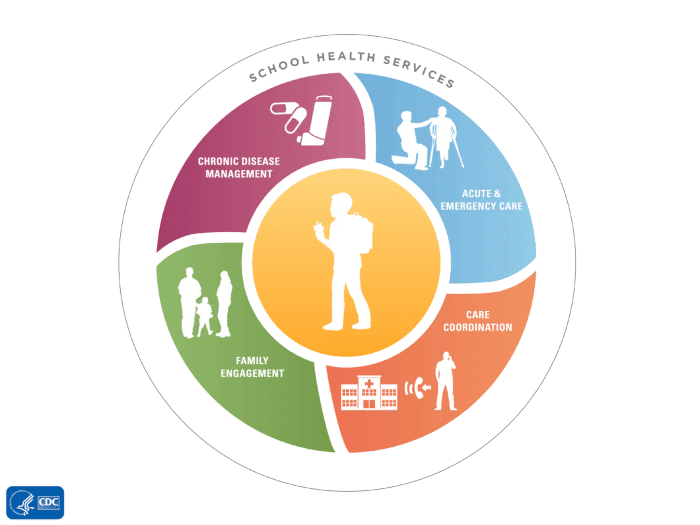
Raising awareness about common health issues and preventive measures is crucial in promoting overall well-being and reducing the burden of diseases. By educating individuals about the importance of healthy habits and early detection of health conditions, we can empower them to take control of their own health and make informed decisions.
Strategies for Promoting Health Awareness
- Educational campaigns in schools, workplaces, and communities to provide information on healthy lifestyle choices and disease prevention.
- Collaboration with healthcare professionals to organize workshops, seminars, and health fairs to engage the public in health-related discussions.
- Utilizing social media platforms and websites to disseminate health tips, resources, and information on upcoming health events.
- Encouraging regular health screenings and check-ups to monitor health status and detect any potential issues early on.
The Role of Media and Technology in Spreading Health Awareness Messages
Media platforms such as television, radio, and the internet play a vital role in reaching a wide audience with health awareness messages. By leveraging technology, we can create engaging content, interactive tools, and mobile applications to educate and motivate individuals to prioritize their health.
Preventive Medicine
Preventive medicine focuses on identifying and addressing risk factors before they lead to disease, ultimately reducing the burden of illness and promoting overall health and well-being. By emphasizing prevention through lifestyle changes, screenings, and vaccinations, individuals can take proactive steps to maintain their health and prevent the onset of serious conditions.
Importance of Preventive Screenings and Vaccinations
Regular preventive screenings, such as blood pressure checks, cholesterol tests, mammograms, and colonoscopies, play a crucial role in early detection of diseases like hypertension, diabetes, cancer, and cardiovascular issues. Vaccinations, on the other hand, help protect against infectious diseases like flu, measles, and hepatitis, reducing the risk of outbreaks and complications.
- Preventive screenings enable early detection of health problems, allowing for timely intervention and treatment.
- Vaccinations create immunity against specific diseases, preventing their spread and reducing the likelihood of severe illness.
- Regular check-ups and immunizations are essential components of preventive medicine, promoting long-term health and well-being.
Successful Preventive Medicine Programs and Initiatives
Preventive medicine programs and initiatives have shown significant success in improving public health outcomes and reducing healthcare costs. For example, community-based programs offering free screenings and vaccinations have helped underserved populations access essential preventive care. Workplace wellness programs have also been effective in promoting healthy behaviors and reducing the incidence of chronic diseases among employees.
By investing in preventive medicine, individuals and communities can proactively manage their health, reduce the burden of disease, and improve overall quality of life.
Nutritional Counseling: Health Awareness And Educational Programs
Nutritional counseling plays a crucial role in guiding individuals towards adopting healthy eating habits. A nutritional counselor is trained to assess an individual’s dietary intake, identify areas for improvement, and provide personalized guidance to help them achieve their nutritional goals.
Benefits of Personalized Nutritional Counseling
- Customized Approach: A qualified nutritional counselor can create a tailored plan based on an individual’s specific dietary needs, preferences, and health goals.
- Educational Support: Nutritional counseling offers valuable information on nutrition, portion control, and meal planning, empowering individuals to make informed choices.
- Behavioral Change: By addressing underlying factors influencing dietary habits, such as emotional eating or stress, nutritional counseling helps individuals develop sustainable lifestyle changes.
- Health Management: Personalized guidance can assist in managing chronic conditions like diabetes, heart disease, or obesity through diet modifications and monitoring.
Tips for Finding a Qualified Nutritional Counselor
When seeking a nutritional counselor for tailored dietary advice, consider the following:
- Educational Background: Look for a counselor with a degree in nutrition, dietetics, or a related field, along with relevant certifications or licenses.
- Experience: Choose a counselor with experience working with individuals who have similar dietary needs or health concerns to ensure effective guidance.
- Communication Style: Find a counselor who listens attentively, communicates clearly, and fosters a supportive and non-judgmental environment.
- Personal Connection: Building a rapport with your counselor is essential for establishing trust and openness in discussing your dietary challenges and goals.
Healthy Mind
Maintaining a healthy mind is crucial for overall well-being, as it directly impacts our physical health. The connection between mental and physical health is undeniable, and taking care of our mental well-being is essential for a balanced and healthy lifestyle.
Impact of Stress and Anxiety
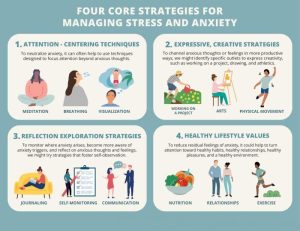
Chronic stress and anxiety can have detrimental effects on both our mental and physical health. High levels of stress can lead to various health issues such as high blood pressure, weakened immune system, and increased risk of heart disease. It is important to manage stress through relaxation techniques and mindfulness practices to prevent these negative impacts.
- Practice deep breathing exercises to calm the mind and reduce stress levels.
- Engage in regular physical activity to release endorphins and improve mood.
- Seek support from friends, family, or a therapist to talk about your feelings and reduce anxiety.
Promoting a Healthy Mind
Promoting a healthy mind involves incorporating self-care practices and mindfulness techniques into our daily routine. Taking care of our mental well-being can improve our overall quality of life and help us cope better with life’s challenges.
- Make time for activities that bring you joy and relaxation, such as reading, painting, or listening to music.
- Practice meditation or mindfulness to stay present and reduce negative thinking patterns.
- Get an adequate amount of sleep to allow your mind to rest and recharge.
FAQ
How can I find reliable information about health awareness programs?
It’s best to consult reputable sources such as government health websites, renowned health organizations, and healthcare professionals for accurate information.
Are wellness programs only beneficial for physical health?
No, wellness programs encompass physical, mental, and emotional well-being, providing holistic benefits for overall health.
What are some innovative ways to promote health awareness in communities?
Utilizing social media campaigns, organizing community events, and partnering with local schools or businesses are effective strategies to raise health awareness.


More Stories
How to promote preventive medicine practices: A Guide to Enhancing Health and Wellness
Health motivation through tracking progress: Stay on track to achieve your wellness goals
How to stay motivated for health goals: Tips and Strategies for Success