Healthy Snacks
Eating nutritious snacks plays a crucial role in promoting preventive health practices by providing essential nutrients and keeping hunger at bay. Incorporating healthy snacks into your daily routine can help maintain overall well-being and support your body’s functions. Here are some examples of nutritious snacks and tips on how to prepare quick and easy options.
Examples of Nutritious Snacks:
- Fresh fruits like apples, berries, or bananas
- Vegetable sticks with hummus or guacamole
- Greek yogurt with nuts and seeds
- Whole grain crackers with cheese
- Homemade trail mix with dried fruits and nuts
Importance of Healthy Snacking:
How to promote preventive medicine practices – Healthy snacking helps regulate blood sugar levels, boosts energy, and improves concentration throughout the day. It also prevents overeating during main meals and provides a variety of nutrients essential for optimal health.
Tips for Quick and Easy Healthy Snacks:
- Pre-cut and portion fruits and vegetables for grab-and-go options
- Prepare overnight oats with chia seeds and fruits for a nutritious breakfast or snack
- Make a batch of homemade energy bars using nuts, seeds, and dried fruits
- Opt for air-popped popcorn seasoned with herbs and spices instead of unhealthy packaged snacks
- Blend a smoothie with spinach, banana, and almond milk for a refreshing and nutrient-packed treat
Wellness Programs
Wellness programs play a crucial role in preventive medicine practices by focusing on promoting overall health and well-being, rather than just treating illnesses.
Types of Wellness Programs and Their Effectiveness
There are different types of wellness programs, such as physical activity initiatives, nutritional counseling, stress management workshops, and smoking cessation programs. Each program targets different aspects of health to address individual needs effectively.
- Physical Activity Initiatives: Encourage regular exercise and movement to improve cardiovascular health, muscle strength, and overall fitness.
- Nutritional Counseling: Provide guidance on healthy eating habits, portion control, and balanced nutrition to support weight management and reduce the risk of chronic diseases.
- Stress Management Workshops: Teach coping mechanisms, relaxation techniques, and mindfulness practices to reduce stress levels and improve mental well-being.
- Smoking Cessation Programs: Offer support, resources, and strategies to help individuals quit smoking and reduce the risk of respiratory diseases and cancer.
How Wellness Programs Help Individuals Achieve Health Goals
Wellness programs empower individuals to take control of their health by providing education, resources, and support to make positive lifestyle changes. By participating in these programs, individuals can:
- Learn about healthy behaviors and choices that can prevent diseases and improve overall well-being.
- Receive personalized guidance and support from health professionals to set and achieve specific health goals.
- Access tools and resources to track progress, monitor vital signs, and make informed decisions about their health.
- Engage in a supportive community of like-minded individuals who can provide encouragement, accountability, and motivation.
Physical Therapy
Physical therapy plays a crucial role in preventive healthcare by helping individuals maintain and improve their physical function, mobility, and overall quality of life. Incorporating physical therapy into preventive care can provide a wide range of benefits, including injury prevention, pain management, and improved strength and flexibility.
Benefits of Physical Therapy in Preventive Healthcare
- Enhances flexibility and range of motion
- Improves posture and body mechanics
- Strengthens muscles to support joints
- Reduces the risk of falls and injuries
- Manages chronic conditions such as arthritis or osteoporosis
Examples of Exercises in Preventive Physical Therapy
- Stretching exercises for flexibility
- Strengthening exercises for muscle support
- Balance exercises to prevent falls
- Aerobic exercises for cardiovascular health
- Functional exercises to improve daily activities
Preventing Injuries and Improving Overall Health
Physical therapy can help prevent injuries by identifying and addressing weaknesses or imbalances in the body before they lead to more serious problems. By improving strength, flexibility, and balance, individuals can reduce the risk of falls, muscle strains, and joint injuries. Additionally, physical therapy can help manage chronic pain and conditions, promoting overall health and well-being.
Health Coaching
Health coaching plays a crucial role in promoting preventive medicine practices by providing individuals with personalized support and guidance to achieve their health goals. Through regular interactions and tailored strategies, health coaches empower clients to make sustainable lifestyle changes that can prevent chronic diseases and improve overall well-being.
Key Responsibilities of a Health Coach
- Educating clients on healthy behaviors and lifestyle choices.
- Creating personalized wellness plans based on individual needs and goals.
- Offering support, motivation, and accountability throughout the client’s health journey.
- Helping clients set realistic and achievable health goals.
- Monitoring progress and making adjustments to the wellness plan as needed.
Enhancing Motivation and Accountability
Health coaching enhances motivation by providing clients with the tools, resources, and encouragement they need to stay committed to their health goals. By establishing a supportive relationship with the coach, clients feel motivated to make positive changes in their lifestyle. Additionally, the accountability factor ensures that clients stay on track and remain consistent with their wellness plan, leading to long-term success in maintaining good health.
Medical Advancements
Recent medical advancements play a crucial role in supporting preventive medicine practices by revolutionizing the healthcare landscape. Technology has significantly changed the way healthcare professionals approach preventive care, leading to innovative medical treatments that focus on prevention rather than cure.
Advances in Genetic Testing
Genetic testing has become more accessible and affordable, allowing individuals to understand their genetic predispositions to certain diseases. This information enables healthcare providers to tailor preventive measures based on each individual’s unique genetic makeup.
Telemedicine and Remote Monitoring
Telemedicine and remote monitoring technologies have made it easier for patients to access preventive care services from the comfort of their homes. This has increased patient engagement and compliance with preventive healthcare recommendations, ultimately leading to better health outcomes.
Precision Medicine
Precision medicine utilizes advanced technologies to customize healthcare treatments based on an individual’s specific characteristics, such as genetics, lifestyle, and environment. By focusing on personalized preventive strategies, healthcare providers can proactively address health risks before they escalate into serious conditions.
Fitness Goals
Setting and achieving fitness goals is crucial for preventive health as it helps individuals maintain a healthy lifestyle, improve overall well-being, and reduce the risk of chronic diseases.
Importance of Setting Realistic Fitness Goals
- Start with small, achievable goals to build confidence and momentum.
- Set specific, measurable goals to track progress effectively.
- Consider your current fitness level and tailor goals to fit your individual needs.
- Seek professional guidance from a fitness trainer or healthcare provider to ensure safety and effectiveness.
Benefits of Regular Physical Activity
Regular physical activity plays a significant role in preventing chronic diseases such as heart disease, diabetes, and obesity. Some benefits include:
- Improved cardiovascular health and circulation.
- Enhanced mental health and cognitive function.
- Increased muscle strength and endurance.
- Weight management and reduced risk of obesity-related conditions.
- Lowered blood pressure and cholesterol levels.
Balanced Nutrition
The role of balanced nutrition in preventive medicine and overall health cannot be overstated. A well-rounded diet not only provides essential nutrients for the body but also plays a crucial role in boosting the immune system, preventing illnesses, and maintaining overall well-being.
Proper nutrition is key to supporting preventive health practices as it helps in maintaining a healthy weight, reducing the risk of chronic diseases, and ensuring optimal bodily functions. By incorporating a variety of food groups in the right proportions, individuals can ensure they are getting all the necessary nutrients to support their health goals.
Examples of a Well-Balanced Meal Plan
A well-balanced meal plan should include a variety of fruits, vegetables, whole grains, lean proteins, and healthy fats. For example, a typical day’s meal plan could consist of oatmeal with berries and nuts for breakfast, a quinoa salad with grilled chicken for lunch, and baked salmon with roasted vegetables for dinner. Snacks like Greek yogurt with honey and almonds or carrot sticks with hummus can also be included to ensure a balanced intake throughout the day.
Strengthening the Immune System
Balanced nutrition plays a vital role in strengthening the immune system by providing essential vitamins and minerals that support immune function. Foods rich in vitamin C, such as citrus fruits and bell peppers, can help boost immunity, while zinc from sources like lean meats and legumes can aid in wound healing and fighting off infections. Including probiotic-rich foods like yogurt and kefir can also promote a healthy gut microbiome, which is essential for overall immune health.
Mental Strength
Having mental strength is a crucial component of preventive health measures as it directly impacts how we cope with stress and challenges in our daily lives. It plays a significant role in our overall well-being and can influence our ability to make healthy choices.
Strategies for Improving Mental Resilience
- Practice mindfulness and meditation to reduce stress levels and improve focus.
- Engage in regular physical activity to boost endorphins and enhance mood.
- Cultivate a strong support system of friends and family to lean on during tough times.
- Seek professional help when needed through therapy or counseling.
Impact of Mental Health on Preventive Care
- Mental health can influence our lifestyle choices, such as diet and exercise, which are crucial for preventive care.
- Stress and anxiety can weaken the immune system, making us more susceptible to illnesses.
- Poor mental health can lead to unhealthy coping mechanisms like smoking or excessive drinking, which can harm our overall health.
Yoga Practice
Incorporating yoga into your daily routine can have numerous benefits for preventive health. Not only does it help in reducing stress and improving flexibility, but it also promotes overall well-being.
Benefits of Yoga for Preventive Health
- Reduces stress: Yoga incorporates breathing exercises and mindfulness techniques that can help lower stress levels, which in turn can have a positive impact on your overall health.
- Improves flexibility: Practicing yoga regularly can increase flexibility in your muscles and joints, reducing the risk of injuries and improving mobility.
- Strengthens muscles: Many yoga poses require you to engage different muscle groups, helping to build strength and endurance over time.
- Enhances mental clarity: The focus on breathing and mindfulness in yoga can improve mental focus and clarity, which can be beneficial for overall mental health.
Yoga Poses for Preventive Health
- Downward Dog: This pose helps stretch and strengthen multiple muscle groups, including the hamstrings, calves, and shoulders.
- Child’s Pose: A resting pose that can help calm the mind and relax the body, reducing stress and tension.
- Warrior II: Strengthens the legs and core muscles, improving balance and stability.
- Cobra Pose: Opens up the chest and strengthens the back muscles, promoting good posture and spinal health.
Health Education
Health education plays a crucial role in spreading awareness about preventive medicine. By educating individuals about healthy practices, we empower them to take control of their health and make informed decisions to prevent diseases and maintain overall well-being.
Importance of Health Education
Health education initiatives are essential in promoting preventive care as they provide individuals with the knowledge and skills needed to adopt healthy behaviors and make positive lifestyle changes. Through education, people can better understand the importance of preventive medicine and take proactive steps to protect their health.
Examples of Effective Health Education Initiatives
- An interactive workshop on nutrition and healthy eating habits organized by a local community center to educate residents on the benefits of a balanced diet.
- A series of online webinars conducted by healthcare professionals to raise awareness about the importance of regular exercise and physical activity in preventing chronic diseases.
- A school-based program that teaches students about the dangers of substance abuse and the importance of mental health in overall well-being.
Weight Management
Maintaining a healthy weight is crucial in preventive healthcare as it plays a significant role in reducing the risk of chronic diseases and promoting overall well-being. Excess weight can lead to various health issues such as heart disease, diabetes, and hypertension. Here are some tips on how to effectively manage weight to prevent such conditions:
Tips for Maintaining a Healthy Weight
- Adopt a balanced diet rich in fruits, vegetables, whole grains, and lean proteins.
- Avoid processed foods high in sugar, salt, and unhealthy fats.
- Stay physically active by engaging in regular exercise such as walking, running, or strength training.
- Monitor portion sizes and practice mindful eating to avoid overeating.
Impact of Obesity and Preventive Measures
Obesity can have a detrimental impact on overall health, leading to increased risks of developing serious conditions like cardiovascular disease, stroke, and certain types of cancer. To address obesity and its consequences, it is essential to take proactive measures such as:
- Seeking guidance from a healthcare provider or nutritionist to create a personalized weight management plan.
- Incorporating regular physical activity into daily routines to burn calories and improve metabolism.
- Setting realistic and achievable weight loss goals to track progress and stay motivated.
- Practicing mindfulness and stress-reducing techniques to prevent emotional eating and promote a healthy relationship with food.
Health Checkups
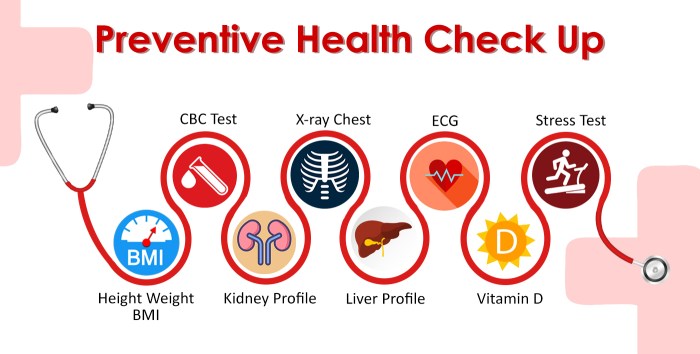
Regular health checkups play a crucial role in preventive medicine practices by allowing healthcare providers to detect potential health issues early on. This proactive approach helps in preventing diseases and promoting overall well-being.
Importance of Early Detection
Routine screenings during health checkups can identify health problems at their initial stages, making treatment more effective and less invasive. Early detection can significantly increase the chances of successful outcomes and improve quality of life.
Scheduling and Prioritizing Health Checkups
- Annual Physical Examination: This comprehensive checkup includes vital sign measurements, blood tests, and screenings for various conditions.
- Dental Checkups: Regular visits to the dentist help in maintaining oral health and preventing dental issues.
- Eye Exams: Vision screenings can detect problems like refractive errors, glaucoma, and cataracts early on.
- Screenings for Cancer: Depending on age, gender, and risk factors, screenings for cancers such as breast, cervical, colorectal, and prostate cancer should be scheduled.
- Immunizations: Keeping up to date with vaccinations is essential for preventing infectious diseases.
Skin Health
Taking care of skin health is a crucial component of preventive healthcare as our skin serves as a protective barrier against external threats such as bacteria, viruses, and harmful UV rays. By maintaining healthy skin, we can reduce the risk of infections, skin diseases, and even skin cancer.
Skincare Routines for Skin Protection
- Cleanse your skin regularly to remove dirt, oil, and impurities that can clog pores and lead to breakouts.
- Moisturize daily to keep your skin hydrated and prevent dryness, which can lead to premature aging and skin damage.
- Use sunscreen with a high SPF to protect your skin from harmful UV rays that can cause sunburn, premature aging, and increase the risk of skin cancer.
- Avoid smoking and limit alcohol consumption as they can contribute to skin damage and accelerate the aging process.
Significance of Sun Protection in Preventing Skin Cancer
Sun protection is essential in preventing skin cancer, as prolonged exposure to UV rays from the sun can damage the DNA in skin cells, leading to mutations that can result in skin cancer. By wearing sunscreen, protective clothing, and seeking shade during peak sun hours, you can significantly reduce your risk of developing skin cancer.
Emotional Health: How To Promote Preventive Medicine Practices
Emotional health plays a crucial role in preventive health practices as it directly impacts our overall well-being. When we neglect our emotional well-being, it can lead to stress, anxiety, depression, and other mental health issues that can affect our physical health. It is essential to prioritize emotional health to maintain a healthy and balanced lifestyle.
Impact of Emotional Health
Emotional health has a significant impact on preventive health practices. Research has shown that individuals with good emotional well-being are more likely to engage in healthy behaviors such as regular exercise, balanced nutrition, and proper sleep. On the other hand, poor emotional health can lead to unhealthy habits like overeating, substance abuse, and lack of physical activity. By addressing and improving emotional health, individuals can better adhere to preventive health practices and reduce their risk of chronic diseases.
Strategies for Improving Emotional Well-being
- Practice mindfulness and relaxation techniques such as meditation and deep breathing exercises.
- Engage in activities that bring joy and fulfillment, such as hobbies, spending time with loved ones, or volunteering.
- Seek support from friends, family, or a mental health professional when needed.
- Aim for a healthy work-life balance to reduce stress and prevent burnout.
- Stay physically active as exercise can boost mood and reduce symptoms of anxiety and depression.
Connection Between Emotional Health and Overall Wellness
Emotional health is closely linked to overall wellness as it influences our thoughts, behaviors, and physical health. When we prioritize emotional well-being, we are better equipped to handle life’s challenges, make healthier choices, and maintain positive relationships. By nurturing our emotional health, we can enhance our overall wellness and prevent the onset of various health conditions.
Health Motivation
Maintaining preventive health practices requires a strong sense of motivation to make healthy lifestyle choices consistently. Motivation plays a crucial role in sustaining these practices and ultimately preventing diseases and illnesses. When individuals are motivated to prioritize their health, they are more likely to engage in behaviors that promote overall well-being and longevity.
Tips for Staying Motivated, How to promote preventive medicine practices
- Set specific, achievable goals: Break down larger health goals into smaller, manageable steps to track progress and stay motivated.
- Find a support system: Surround yourself with friends, family, or a health coach who can provide encouragement and accountability.
- Reward yourself: Celebrate milestones and achievements along the way to maintain motivation and reinforce positive habits.
- Stay informed: Educate yourself about the benefits of preventive health practices to stay motivated and committed to your well-being.
Benefits of Strong Health Motivation
- Enhanced overall well-being: Motivation to prioritize health leads to improved physical, mental, and emotional well-being.
- Reduced risk of diseases: Making healthy lifestyle choices can lower the risk of developing chronic diseases and illnesses.
- Increased longevity: By staying motivated to maintain preventive health practices, individuals can enjoy a longer, healthier life.
- Improved quality of life: Strong health motivation can result in better energy levels, mood, and productivity in daily activities.
Physical Activities
Regular physical activities play a crucial role in preventive healthcare by improving overall health and reducing the risk of chronic diseases. Incorporating exercise into daily routines can have a significant impact on well-being.
Importance of Physical Activities
- Regular physical activities help maintain a healthy weight and reduce the risk of obesity, heart disease, and diabetes.
- Exercise boosts mood and mental health by releasing endorphins, reducing stress, and improving sleep quality.
- Physical activities strengthen muscles and bones, enhancing overall physical strength and flexibility.
- Regular exercise can improve cardiovascular health, lower blood pressure, and increase longevity.
Examples of Physical Activities
- Cardiovascular exercises such as running, cycling, or swimming
- Strength training with weights or resistance bands
- Flexibility exercises like yoga or Pilates
- Aerobic activities such as dancing or kickboxing
Tips for Incorporating Physical Activities
- Schedule exercise into your daily routine, whether it’s a morning walk, lunchtime workout, or evening yoga session.
- Find physical activities you enjoy to make exercise more sustainable and enjoyable.
- Set realistic fitness goals and track your progress to stay motivated and committed to regular exercise.
- Make movement a priority by taking the stairs, walking instead of driving short distances, or doing household chores actively.
Health Awareness
Raising health awareness plays a crucial role in promoting preventive medicine practices. By educating individuals about the importance of taking proactive steps to maintain their health, we can empower them to make informed decisions and adopt healthy lifestyle habits. This, in turn, can lead to a significant reduction in the prevalence of preventable diseases and health conditions.
Significance of Health Awareness
Increased awareness can lead to better health outcomes by encouraging early detection of health issues, promoting regular health screenings, and fostering a culture of prevention rather than reaction. When individuals are aware of the risk factors associated with certain diseases and the importance of preventive measures such as vaccinations, screenings, and healthy lifestyle choices, they are more likely to take proactive steps to safeguard their health.
- Health awareness campaigns can focus on educating the public about the benefits of preventive care, such as reducing the risk of chronic diseases like diabetes, heart disease, and cancer.
- By highlighting the importance of regular exercise, balanced nutrition, stress management, and adequate sleep, these campaigns can empower individuals to take control of their health and well-being.
- Successful health awareness campaigns often leverage various media platforms, community events, and partnerships with healthcare providers to reach a wide audience and drive meaningful behavior change.
Preventive Medicine
Preventive medicine focuses on proactive measures to prevent diseases and promote overall health, rather than just treating symptoms. By emphasizing prevention, this approach aims to reduce the burden of illness and improve quality of life for individuals.
Key Principles of Preventive Medicine
- Primary prevention: Aimed at preventing the onset of diseases through lifestyle modifications, vaccinations, and other interventions.
- Secondary prevention: Involves early detection and treatment of diseases to prevent progression and complications.
- Tertiary prevention: Focuses on managing and improving the quality of life for individuals with existing health conditions.
Benefits of Preventive Medicine
- Reduces healthcare costs by preventing expensive treatments and hospitalizations.
- Improves quality of life by promoting overall health and well-being.
- Increases longevity and reduces the burden of chronic diseases on individuals and healthcare systems.
Examples of Preventive Medicine Strategies
- Regular health check-ups to monitor and detect early signs of diseases.
- Promotion of healthy lifestyle habits such as regular exercise, balanced nutrition, and stress management.
- Vaccination programs to prevent the spread of infectious diseases.
- Screening programs for conditions like cancer, cardiovascular diseases, and diabetes.
Nutritional Counseling
Nutritional counseling plays a crucial role in preventive healthcare by providing individuals with personalized advice and guidance on making healthier food choices to improve overall well-being and reduce the risk of chronic diseases.
Examples of Nutritional Counseling Programs
- One example of a nutritional counseling program is the implementation of group sessions led by registered dietitians in community health centers. These sessions focus on educating participants about the importance of balanced nutrition and how to incorporate healthy eating habits into their daily lives.
- Another example is virtual nutritional counseling services offered by healthcare providers, allowing individuals to receive personalized advice remotely through video consultations or online platforms. This approach makes it more convenient for individuals to access nutritional guidance and support, especially during the current digital age.
Impact of Nutritional Counseling on Health Outcomes
- Studies have shown that individuals who receive nutritional counseling are more likely to make positive changes in their diet and lifestyle, leading to improved health outcomes such as weight management, better blood sugar control, and reduced risk of cardiovascular diseases.
- Furthermore, personalized nutritional advice tailored to an individual’s specific health needs and goals can empower them to make informed decisions about their food choices, resulting in long-term health benefits and a lower incidence of nutrition-related illnesses.
Personalized Nutritional Advice for Healthier Choices
- By offering personalized nutritional advice based on an individual’s dietary preferences, medical history, and lifestyle factors, nutritional counseling can help individuals develop sustainable eating habits that align with their health goals and preferences.
- Through ongoing support and guidance from registered dietitians or nutrition experts, individuals can learn how to navigate food labels, plan balanced meals, and overcome barriers to healthy eating, ultimately leading to a more nourished and healthier lifestyle.
Healthy Mind
Maintaining a healthy mind is crucial for preventive health as it plays a significant role in overall well-being. A healthy mind can help reduce stress, improve cognitive function, enhance decision-making skills, and boost resilience against mental health disorders.
Promoting Mental Well-being
- Engage in activities that promote relaxation and stress reduction, such as meditation, mindfulness, or deep breathing exercises.
- Stay socially connected with friends and loved ones to foster a sense of belonging and support system.
- Practice gratitude and positive thinking to cultivate a more optimistic outlook on life.
- Engage in hobbies and activities that bring joy and fulfillment to your life.
Connection to Preventive Care
A healthy mind is closely linked to physical health, as stress and negative emotions can impact the immune system and increase the risk of various health conditions. By prioritizing mental well-being, individuals can better manage their overall health and prevent the onset of certain diseases.
Clarifying Questions
How can I incorporate preventive measures into my daily routine?
Start by making small changes such as choosing nutritious snacks, engaging in regular physical activity, and prioritizing mental well-being. Consistency is key in preventive healthcare.
Are there any specific wellness programs recommended for preventive medicine practices?
Wellness programs that focus on lifestyle modifications, stress management, and disease prevention are highly beneficial. Look for programs that offer a holistic approach to health and well-being.
What role does health education play in promoting preventive medicine practices?
Health education is crucial in creating awareness about preventive healthcare practices and empowering individuals to take control of their health. It equips people with the knowledge to make informed decisions for a healthier lifestyle.


More Stories
Health awareness and educational programs: Promoting Wellness Through Knowledge
Health motivation through tracking progress: Stay on track to achieve your wellness goals
How to stay motivated for health goals: Tips and Strategies for Success