Preparing for a health checkup appointment
Regular health checkups are essential for maintaining overall well-being as they help in early detection of any potential health issues, allowing for timely intervention and treatment. Here are some tips on how to schedule and prepare for a health checkup appointment effectively.
The Importance of Regular Health Checkups
Regular health checkups play a crucial role in preventing diseases and ensuring early detection. They help in assessing risk factors, monitoring overall health status, and addressing any concerns before they escalate. By staying up to date with your health checkups, you can proactively manage your well-being and make informed decisions about your health.
Tips for Scheduling and Preparing for a Health Checkup
- Choose a convenient date and time for your appointment to ensure you can dedicate enough time for the visit.
- Make a list of any symptoms, concerns, or questions you have for your healthcare provider to address during the appointment.
- Bring along any relevant medical records, such as previous test results or prescriptions, to provide comprehensive information to your healthcare provider.
- Follow any specific preparation instructions given by your healthcare provider, such as fasting before certain tests or avoiding certain medications.
Providing Accurate Information to Healthcare Providers
Accurate information is crucial during a health checkup appointment as it helps healthcare providers make informed decisions about your care. Be honest about your medical history, lifestyle habits, and any symptoms you are experiencing. Providing accurate information enables healthcare providers to create a personalized care plan tailored to your specific needs and ensures effective treatment and management of any health conditions.
Healthy Snacks

When it comes to maintaining a healthy lifestyle, choosing nutritious snacks is just as important as meals. Snacking on healthy options can provide essential nutrients and energy throughout the day, supporting overall well-being.
Nutritious and Easy-to-Prepare Snack Ideas
- Fresh fruit slices with nut butter
- Greek yogurt with a sprinkle of granola and berries
- Vegetable sticks with hummus
- Whole grain crackers with avocado and cherry tomatoes
- Homemade trail mix with nuts, seeds, and dried fruit
Benefits of Choosing Healthy Snacks
- Improved energy levels and focus
- Better weight management
- Enhanced nutrient intake
- Reduced risk of chronic diseases
- Stabilized blood sugar levels
Tips for Planning and Preparing Healthy Snacks
- Set aside time each week to prep snack options
- Keep healthy snacks visible and easily accessible
- Opt for whole foods over processed snacks
- Experiment with different flavor combinations to keep things interesting
- Pack snacks in portion-controlled containers for on-the-go convenience
Wellness Programs
Preparing for a health checkup appointment – Wellness programs play a crucial role in promoting holistic health and well-being by focusing on various aspects of an individual’s overall wellness. These programs are designed to help individuals improve their physical, mental, and emotional health, leading to a better quality of life.
Types of Wellness Programs
There are different types of wellness programs available, each catering to specific health needs and goals. Here are some common types of wellness programs and how they can benefit individuals:
- Physical Wellness Programs: These programs focus on improving physical health through activities like exercise, nutrition, and weight management. They help individuals enhance their fitness levels, reduce the risk of chronic diseases, and boost overall energy and vitality.
- Mental Wellness Programs: These programs aim to support mental well-being by providing resources for stress management, mindfulness practices, and emotional support. They help individuals cope with daily challenges, improve resilience, and enhance mental clarity.
- Emotional Wellness Programs: These programs focus on promoting emotional health and building healthy relationships. They offer tools for self-awareness, communication skills, and emotional intelligence, leading to better interpersonal connections and increased happiness.
- Social Wellness Programs: These programs emphasize the importance of social connections and community engagement. They provide opportunities for networking, social activities, and support groups, fostering a sense of belonging and reducing feelings of isolation.
Choosing a Wellness Program
When selecting a wellness program that aligns with personal health goals and interests, consider the following tips:
- Assess Your Needs: Identify areas of your health and well-being that require improvement, such as physical fitness, stress management, or nutrition.
- Research Options: Explore different wellness programs available in your community, workplace, or online to find one that matches your preferences and goals.
- Set Realistic Goals: Establish achievable objectives for participating in a wellness program, ensuring that they are specific, measurable, and time-bound.
- Seek Professional Guidance: Consult healthcare professionals or wellness experts for personalized recommendations and advice on selecting the right program for your needs.
- Stay Committed: Once you choose a wellness program, stay committed to actively participating and engaging in the activities to maximize the benefits and achieve optimal results.
Physical Therapy
Physical therapy plays a crucial role in rehabilitation and injury prevention. It focuses on improving mobility, reducing pain, and restoring function to help individuals regain their independence and quality of life.
Importance of Physical Therapy
- Physical therapy helps in strengthening muscles and improving flexibility, which is essential for preventing injuries.
- It aids in the recovery process after surgeries, accidents, or medical conditions like stroke or heart attack.
- Physical therapy can also help manage chronic conditions such as arthritis, back pain, and osteoporosis.
- It promotes overall wellness by enhancing balance, coordination, and endurance.
- Through personalized treatment plans, physical therapists empower individuals to maximize their physical potential and lead a healthy lifestyle.
Common Conditions Requiring Physical Therapy
- Orthopedic injuries such as fractures, sprains, and strains
- Neurological disorders like Parkinson’s disease, multiple sclerosis, and spinal cord injuries
- Sports-related injuries such as tendonitis, ligament tears, and concussions
- Rehabilitation post-surgery for joint replacements, ACL reconstruction, or rotator cuff repair
- Chronic pain conditions like fibromyalgia, sciatica, and chronic fatigue syndrome
Finding a Qualified Physical Therapist
- Ask for recommendations from your primary care physician or specialist.
- Check the credentials and certifications of the physical therapist, ensuring they are licensed and experienced in treating your specific condition.
- Verify if the therapist participates in your insurance plan to manage costs effectively.
- Visit the clinic or facility to assess the equipment, cleanliness, and overall environment for comfort and safety.
- Communicate your goals, concerns, and expectations clearly with the therapist to establish a collaborative treatment plan.
Health Coaching
Health coaching plays a crucial role in supporting individuals to achieve their health goals by providing personalized guidance and motivation.
Benefits of Working with a Health Coach
- Personalized approach: Health coaches tailor their guidance to individual needs, considering factors like lifestyle, preferences, and health conditions.
- Accountability and motivation: Coaches help clients stay on track with their health goals, providing encouragement and support along the way.
- Educational support: Health coaches offer valuable information on nutrition, exercise, stress management, and other wellness topics to empower their clients.
- Behavioral change: Coaches assist individuals in adopting healthier habits and making sustainable lifestyle changes for long-term health benefits.
Finding a Reputable Health Coach
When looking for a health coach, consider the following tips to ensure you find a reputable professional:
- Credentials: Look for coaches with relevant certifications and qualifications in health coaching or related fields.
- Experience: Choose a coach with a proven track record of helping clients achieve their health goals successfully.
- Compatibility: Find a coach with whom you feel comfortable sharing your health concerns and goals openly.
Making the Most of Coaching Sessions
To maximize the benefits of working with a health coach, follow these tips:
- Set clear goals: Define specific, achievable health goals with your coach to focus your efforts and measure progress effectively.
- Be open and honest: Share relevant information about your health habits, challenges, and preferences to receive personalized support.
- Stay engaged: Actively participate in coaching sessions, ask questions, and follow through on action plans to see positive results.
Medical Advancements
Medical technology has been rapidly advancing, leading to significant improvements in healthcare. These advancements have not only revolutionized the way diseases are diagnosed and treated but have also enhanced the accuracy and efficiency of health checkups.
Impact on Health Checkups
- Advanced imaging techniques such as MRI and CT scans allow for detailed visualization of internal organs, aiding in the early detection of abnormalities during health screenings.
- Blood tests can now detect a wide range of biomarkers, providing valuable information about a person’s overall health and risk factors for various diseases.
- Genetic testing has become more accessible, helping individuals understand their genetic predispositions and make informed decisions about preventive measures.
Staying Informed
- Stay updated on medical advancements by following reputable healthcare websites, attending seminars, and discussing with your healthcare provider.
- Join online forums or support groups related to your health condition to learn about the latest research and treatment options available.
- Ask your doctor about any new technologies or treatments that may benefit you during your health checkup appointments.
Fitness Goals: Preparing For A Health Checkup Appointment
Setting fitness goals is crucial for maintaining overall health and well-being. By establishing realistic and achievable goals, individuals can stay motivated, track progress, and make necessary adjustments to their fitness routines.
Types of Fitness Goals
- Strength Training: Focuses on building muscle mass, increasing strength, and improving overall physical performance.
- Cardiovascular Endurance: Aims to enhance the efficiency of the heart and lungs, improving stamina and endurance.
- Flexibility and Balance: Works on enhancing range of motion, reducing the risk of injuries, and improving overall body balance.
Tracking Progress and Adjusting Routines
- Use a fitness tracker or journal to record workouts, progress, and any setbacks.
- Set specific milestones to measure progress effectively and stay motivated.
- Regularly assess your goals and routines to make necessary adjustments based on feedback and results.
Balanced Nutrition
Maintaining a balanced diet is crucial for overall health and well-being. A balanced diet provides the necessary nutrients to support bodily functions, promote energy levels, and prevent chronic diseases. It involves consuming a variety of foods from different food groups in appropriate portions.
When planning meals for balanced nutrition, it is essential to include the following essential nutrients and food groups:
Essential Nutrients and Food Groups
- Protein: Found in sources like lean meats, poultry, fish, beans, and nuts, protein is essential for muscle repair and growth.
- Fruits and Vegetables: Rich in vitamins, minerals, and antioxidants, fruits and vegetables help boost the immune system and reduce the risk of diseases.
- Whole Grains: Whole grains like brown rice, quinoa, and oats provide fiber, vitamins, and minerals for sustained energy and digestive health.
- Dairy or Dairy Alternatives: Good sources of calcium and vitamin D, dairy products support bone health and overall well-being.
- Healthy Fats: Foods like avocados, nuts, seeds, and olive oil contain healthy fats that are essential for brain function and heart health.
To plan meals that prioritize balanced nutrition and support health goals, consider the following tips:
Tips for Planning Balanced Meals
- Include a variety of colors on your plate to ensure a diverse range of nutrients.
- Aim for a mix of macronutrients (carbohydrates, proteins, fats) in each meal.
- Limit processed foods high in added sugars, salt, and unhealthy fats.
- Stay hydrated by drinking an adequate amount of water throughout the day.
- Plan meals in advance and prepare healthy snacks to avoid impulsive food choices.
Mental Strength
Building mental resilience is crucial for coping with stress and challenges in life. It plays a significant role in enhancing overall health and well-being. By developing mental strength, individuals can better navigate difficult situations and maintain a positive outlook on life.
Strategies for Building Mental Strength
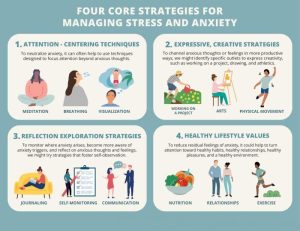
- Practice mindfulness: Engaging in mindfulness practices, such as meditation or deep breathing exercises, can help calm the mind and improve focus.
- Positive self-talk: Replace negative thoughts with positive affirmations to build a more optimistic mindset and boost self-confidence.
- Seek support: Surround yourself with a strong support system of friends, family, or a therapist to lean on during challenging times.
- Set boundaries: Learn to say no to activities or people that drain your energy and prioritize self-care.
Tips for Cultivating Mental Resilience
- Practice gratitude: Take time each day to reflect on things you are grateful for, fostering a sense of appreciation and positivity.
- Stay physically active: Regular exercise not only benefits your physical health but also boosts mood and mental well-being.
- Engage in hobbies: Pursuing activities you enjoy can provide a sense of fulfillment and relaxation, reducing stress levels.
- Focus on the present: Avoid dwelling on the past or worrying about the future, and instead, focus on the present moment to reduce anxiety.
Yoga Practice
Yoga is a fantastic addition to any wellness routine, offering a multitude of benefits for both physical and mental health. It combines physical postures, breathing exercises, and meditation to promote overall well-being.
Types of Yoga Practices and Benefits
There are several types of yoga practices, each with its own specific benefits:
- Hatha Yoga: Focuses on basic postures and breathing techniques, great for beginners and enhancing flexibility.
- Vinyasa Yoga: Involves flowing sequences of poses, improving strength, balance, and cardiovascular health.
- Ashtanga Yoga: A more intense practice involving synchronized breathing and progressive poses to build endurance and focus.
- Bikram Yoga: Practiced in a heated room, promoting detoxification, flexibility, and stress relief.
- Kundalini Yoga: Focuses on awakening energy through breathing, meditation, and chanting for spiritual growth.
Tips for Starting a Yoga Practice
If you’re new to yoga, here are some tips to help you get started:
- Research and find a suitable yoga class or instructor that matches your goals and level of experience.
- Invest in a good quality yoga mat and comfortable clothing to enhance your practice.
- Start with beginner-friendly classes to learn the basics and gradually progress to more challenging practices.
- Practice regularly and listen to your body, avoiding overexertion and focusing on proper alignment in each pose.
- Explore different styles of yoga to find what resonates with you and brings you the most benefits.
Health Education
Continuous health education plays a crucial role in empowering individuals to make informed decisions about their well-being. By staying updated on health-related information and developments, individuals can take proactive steps towards maintaining a healthy lifestyle and preventing illnesses.
Significance of Health Education
- Health education helps individuals understand their bodies better and promotes self-awareness.
- It enables individuals to make healthy choices regarding nutrition, exercise, and overall lifestyle.
- By educating themselves, individuals can effectively manage chronic conditions and seek timely medical assistance.
Reliable Sources for Health Education
- Consulting reputable websites such as the Centers for Disease Control and Prevention (CDC) or the World Health Organization (WHO) for accurate health information.
- Attending seminars, workshops, or webinars conducted by healthcare professionals to stay informed about the latest health trends.
- Subscribing to health magazines or journals that provide evidence-based insights on various health topics.
Weight Management
Maintaining a healthy weight is crucial for overall health and disease prevention. Excess weight can increase the risk of chronic conditions such as heart disease, diabetes, and hypertension. It can also impact mental health and overall quality of life.
Approaches to Weight Management
- Diet: A balanced and nutritious diet is essential for weight management. Focus on whole foods, fruits, vegetables, lean proteins, and whole grains. Avoid processed foods high in sugar and unhealthy fats.
- Exercise: Regular physical activity is key to weight management. Aim for a combination of cardiovascular exercise, strength training, and flexibility exercises to support overall health and weight loss goals.
- Lifestyle Changes: Small lifestyle changes can make a big difference in weight management. This includes getting enough sleep, managing stress, staying hydrated, and avoiding unhealthy habits like smoking and excessive alcohol consumption.
Setting Realistic Goals and Creating Sustainable Habits
- Set SMART Goals: Specific, Measurable, Achievable, Relevant, and Time-bound goals are more likely to be successful. Start with small, achievable goals and gradually increase the intensity as you progress.
- Track Your Progress: Keep a journal or use a tracking app to monitor your food intake, exercise routine, and progress towards your weight management goals. This can help you stay motivated and make adjustments as needed.
- Focus on Long-Term Changes: Instead of quick fixes or fad diets, focus on making sustainable lifestyle changes that you can maintain in the long run. This will not only help you reach your weight management goals but also improve your overall health and well-being.
Skin Health
Skin health plays a crucial role in overall well-being and self-care. It is essential to take care of your skin to maintain its health and appearance.
Tips for Skincare Routines:
- Cleanse your skin regularly to remove dirt, oil, and impurities.
- Moisturize daily to keep your skin hydrated and supple.
- Use sunscreen to protect your skin from harmful UV rays.
Sun Protection:
Protecting your skin from the sun’s harmful rays is crucial in preventing premature aging, sunburns, and skin cancer. Make sure to apply sunscreen with at least SPF 30, wear protective clothing, and seek shade during peak sun hours.
Common Skin Concerns:
- Acne: Maintain a consistent skincare routine, avoid touching your face, and consult a dermatologist for treatment options.
- Eczema: Keep your skin moisturized, avoid triggers, and use gentle skincare products.
- Wrinkles: Use products with retinol, stay hydrated, and protect your skin from the sun.
Nutrition and Lifestyle Impact:
Your diet and lifestyle choices can significantly affect your skin health. Eating a balanced diet rich in fruits, vegetables, and healthy fats can promote clear and radiant skin. Additionally, staying hydrated, getting enough sleep, and managing stress levels can contribute to healthy skin.
Emotional Health
Emotional health plays a crucial role in our overall well-being, as it is closely connected to our physical health. When we neglect our emotional well-being, it can have negative effects on our body and mind. It is essential to prioritize emotional health alongside our physical health goals to achieve a balanced and healthy lifestyle.
Strategies for Promoting Emotional Health
- Seeking Support: It is important to reach out to friends, family, or a therapist for emotional support when needed. Talking about our feelings and emotions can help us process them and feel more supported.
- Practicing Self-Care: Engaging in activities that bring us joy and relaxation, such as meditation, hobbies, or spending time in nature, can help boost our emotional well-being.
- Setting Boundaries: Establishing healthy boundaries in relationships and learning to say no when needed can help protect our emotional health and prevent burnout.
Tips for Prioritizing Emotional Well-Being
- Make Time for Yourself: Carve out time in your schedule for activities that help you relax and recharge, whether it’s reading a book, taking a bath, or going for a walk.
- Practice Mindfulness: Being present in the moment and practicing mindfulness can help reduce stress and anxiety, improving your emotional health.
- Express Gratitude: Taking time to appreciate the positive aspects of your life and expressing gratitude can boost your mood and overall well-being.
Health Motivation
Motivation plays a crucial role in sustaining healthy habits and lifestyle changes. It is the driving force that keeps us committed to our health goals and helps us overcome obstacles along the way.
Strategies for Staying Motivated
- Set realistic and achievable goals: Break down your long-term health goals into smaller, manageable steps to stay motivated and track progress.
- Find your ‘why’: Identify your reasons for wanting to improve your health and remind yourself of these reasons when motivation wanes.
- Celebrate small victories: Acknowledge and celebrate every milestone, no matter how small, to stay motivated and encouraged.
- Surround yourself with support: Seek out friends, family, or a health coach who can provide encouragement and accountability on your health journey.
- Stay positive: Practice positive self-talk and focus on the progress you’ve made rather than setbacks to maintain motivation.
Cultivating and Maintaining Motivation, Preparing for a health checkup appointment
- Visualize success: Imagine yourself achieving your health goals and how it will positively impact your life to stay motivated.
- Stay informed: Educate yourself about the benefits of a healthy lifestyle and the risks of unhealthy habits to maintain motivation.
- Reward yourself: Treat yourself to non-food rewards when you reach milestones to reinforce positive behavior and motivation.
- Stay flexible: Be willing to adapt your goals and strategies as needed, and don’t be too hard on yourself if you face setbacks.
Physical Activities
Regular physical activity is essential for maintaining overall health and fitness. It helps improve cardiovascular health, strengthen muscles, boost immune function, and enhance mental well-being. Incorporating physical activities into daily routines can have a significant impact on overall quality of life.
Types of Physical Activities
- Cardiovascular exercises such as running, cycling, or swimming help improve heart health and endurance.
- Strength training activities like weightlifting or bodyweight exercises help build muscle mass and increase metabolism.
- Flexibility exercises such as yoga or Pilates improve range of motion and reduce the risk of injury.
- Balance and coordination activities like Tai Chi or dancing help maintain stability and prevent falls, especially in older adults.
Tips for Staying Active
- Schedule physical activity into your daily routine, just like any other appointment or task.
- Find activities that you enjoy to make exercise more enjoyable and sustainable.
- Break up exercise into shorter sessions throughout the day if you have a busy schedule.
- Set specific fitness goals to stay motivated and track your progress.
- Try different types of physical activities to prevent boredom and work different muscle groups.
Health Awareness
Being aware of one’s health status and potential risks is crucial for maintaining overall well-being. By staying informed about your health, you can take proactive steps to prevent illnesses, manage chronic conditions, and improve your quality of life.
Benefits of Early Detection
Regular health screenings and checkups play a vital role in early detection of potential health issues. Here are some benefits of early detection:
- Increased chances of successful treatment and recovery
- Prevention of complications associated with advanced stages of diseases
- Improved overall health outcomes and quality of life
Tips for Improving Health Awareness
To enhance your health awareness and take proactive steps towards better health, consider the following tips:
- Schedule regular health checkups and screenings based on your age and risk factors
- Stay informed about common health conditions and their symptoms
- Maintain a healthy lifestyle through balanced nutrition, regular exercise, and stress management
- Keep track of your medical history, including family health history
- Consult healthcare professionals for guidance on preventive measures and lifestyle modifications
Preventive Medicine

Preventive medicine plays a crucial role in reducing the risk of chronic diseases by focusing on proactive measures to maintain overall health and well-being. By taking preventive actions, individuals can prevent the onset of various health conditions and improve their quality of life in the long run.
Role of Preventive Measures
- Vaccinations: Immunizations are essential in preventing infectious diseases and protecting individuals from serious illnesses.
- Screenings: Regular health screenings help in early detection of diseases such as cancer, diabetes, and hypertension, enabling timely intervention and treatment.
- Lifestyle Modifications: Adopting a healthy lifestyle through regular exercise, balanced nutrition, adequate sleep, and stress management can significantly reduce the risk of chronic conditions.
Incorporating Preventive Measures
- Make time for regular check-ups and screenings based on age, gender, and family history to monitor your health status.
- Stay up to date with recommended vaccinations to protect yourself and others from contagious diseases.
- Engage in physical activities, practice mindfulness, and maintain a well-balanced diet to support your overall health and immunity.
- Avoid smoking, limit alcohol consumption, and manage stress effectively to reduce the risk of developing lifestyle-related diseases.
Nutritional Counseling
Nutritional counseling involves working with a qualified professional to receive personalized dietary guidance tailored to your specific needs and health goals. This service can be highly beneficial for individuals looking to improve their overall health and well-being through proper nutrition.
Benefits of Nutritional Counseling
- Receive personalized dietary recommendations based on your unique health profile and goals.
- Learn about proper portion sizes, food choices, and meal planning strategies to support your health objectives.
- Gain valuable insights into how nutrition impacts your overall health and well-being.
- Address any specific dietary concerns or restrictions you may have with expert guidance.
Achieving Health Goals through Nutritional Counseling
- Set realistic and achievable nutrition goals with the help of a qualified nutritional counselor.
- Track your progress and make adjustments to your dietary plan as needed to stay on course towards your health objectives.
- Receive ongoing support and motivation to make sustainable lifestyle changes that promote better health outcomes.
Finding a Qualified Nutritional Counselor
- Look for a registered dietitian or nutritionist with the appropriate credentials and experience in providing nutritional counseling.
- Ask for recommendations from healthcare providers, friends, or family members who have had positive experiences with nutritional counseling.
- Verify the counselor’s qualifications and ensure they have a solid understanding of your specific health needs and dietary preferences.
Healthy Mind
Having a healthy mind is crucial for overall well-being as it directly impacts our physical health, emotional stability, and cognitive functions. A healthy mind allows us to cope with stress, make informed decisions, build strong relationships, and maintain a positive outlook on life.
Promoting Mental Health
- Practice stress management techniques such as deep breathing exercises, meditation, or yoga to reduce anxiety and improve mental clarity.
- Engage in relaxation techniques like progressive muscle relaxation or mindfulness to calm the mind and body.
- Seek support from friends, family, or a mental health professional to talk about your feelings and concerns.
Maintaining a Healthy Mind
- Cultivate mindfulness practices by staying present in the moment, focusing on your thoughts and emotions without judgment.
- Develop positive habits such as regular exercise, adequate sleep, healthy eating, and engaging in hobbies that bring you joy.
- Acknowledge and challenge negative thought patterns, replacing them with positive affirmations and realistic perspectives.
Expert Answers
How far in advance should I schedule my health checkup appointment?
It’s recommended to schedule your appointment at least a few weeks in advance to secure a convenient time slot and allow for any necessary preparations.
Is it important to provide accurate information to healthcare providers during the appointment?
Absolutely. Accurate information helps healthcare providers make informed decisions about your health and tailor their recommendations to your specific needs.
What should I bring with me to my health checkup appointment?
Make sure to bring your ID, insurance information, list of medications, and any relevant medical history to ensure a comprehensive assessment.
How can I make the most of my health checkup appointment?
Come prepared with questions, be honest about your concerns, and actively participate in discussions with your healthcare provider to maximize the benefits of the appointment.


More Stories
How to promote preventive medicine practices: A Guide to Enhancing Health and Wellness
Health awareness and educational programs: Promoting Wellness Through Knowledge
Health motivation through tracking progress: Stay on track to achieve your wellness goals