Benefits of health coaching in corporate settings
Health coaching plays a crucial role in enhancing employee wellness within corporate environments. By providing personalized guidance and support, health coaching programs can lead to a range of benefits for both employees and organizations.
Improved Employee Wellness
- Health coaching programs help employees set and achieve health goals, such as weight management, stress reduction, and increased physical activity.
- Coaches offer ongoing support and accountability, leading to sustainable lifestyle changes and overall well-being.
- Employees who participate in health coaching often experience reduced healthcare costs and absenteeism due to improved health outcomes.
Successful Health Coaching Programs
- Companies like Google and Johnson & Johnson have implemented successful health coaching programs that focus on holistic wellness and preventive care.
- These programs offer a combination of one-on-one coaching, group sessions, and digital resources to support employees in their health journey.
- Results from these programs show increased employee engagement, satisfaction, and overall productivity.
Impact on Employee Productivity and Job Satisfaction
- Employees who engage in health coaching often report higher job satisfaction and morale, leading to increased retention rates within companies.
- Healthier employees are more productive, as they experience fewer sick days and are better equipped to handle work-related stress.
- Overall, investing in health coaching programs can create a positive work culture and improve the bottom line for organizations.
Healthy Snacks
Providing healthy snack options in the workplace is crucial for promoting employee well-being and productivity. Healthy snacks can help maintain energy levels, improve focus, and contribute to overall health.
Examples of Nutritious Snacks
- Fresh fruit such as apples, bananas, or berries
- Vegetable sticks with hummus or guacamole
- Whole grain crackers with cheese
- Greek yogurt with nuts and honey
- Homemade trail mix with dried fruits and nuts
Importance of Healthy Snacks in the Workplace
Providing access to nutritious snacks can help employees make better food choices throughout the day, leading to increased productivity and concentration. Healthy snacks can also boost morale and contribute to a positive work environment by promoting overall well-being.
Wellness Programs
Benefits of health coaching in corporate settings – Workplace wellness programs are designed to promote and support the overall health and well-being of employees. These programs typically encompass a variety of initiatives aimed at improving physical, mental, and emotional health.
Components of a Comprehensive Workplace Wellness Program
- Health Education: Providing information and resources on healthy lifestyle choices, nutrition, exercise, and stress management.
- Physical Activity: Encouraging employees to stay active through fitness challenges, on-site exercise classes, or gym memberships.
- Mental Health Support: Offering counseling services, mindfulness sessions, and stress-relief activities to promote mental well-being.
- Nutrition Programs: Providing healthy eating options, nutrition workshops, and access to nutritious snacks in the workplace.
- Preventive Health Screenings: Organizing health screenings for early detection of illnesses and promoting preventive care.
Examples of Successful Wellness Initiatives in Corporate Settings
- Walking Meetings: Encouraging employees to have walking meetings to promote physical activity and creativity.
- Healthy Eating Challenges: Implementing programs that incentivize employees to make healthier food choices.
- Mental Health Days: Offering paid days off specifically for mental health purposes to reduce burnout and stress.
- Fitness Classes: Providing on-site fitness classes or partnering with local gyms to promote physical activity.
- Wellness Rewards: Offering rewards or incentives for employees who participate in wellness activities or achieve health goals.
Benefits of Wellness Programs for Employee Morale and Retention
- Improved Employee Morale: Wellness programs can boost morale by showing employees that their employer cares about their well-being.
- Increased Productivity: Healthier employees are often more productive, as they have more energy and focus on their work.
- Enhanced Employee Engagement: Engaging in wellness activities fosters a sense of community and camaraderie among employees.
- Reduced Absenteeism: By promoting healthy habits, wellness programs can help reduce absenteeism due to illness.
- Higher Retention Rates: Employees who feel supported in their health and well-being are more likely to stay with a company long-term.
Physical Therapy
Physical therapy services can be highly beneficial for employees in a corporate setting. These services focus on improving mobility, reducing pain, and restoring function, which can help employees stay healthy and active in the workplace.
Preventing and Managing Workplace Injuries
Physical therapy plays a crucial role in preventing and managing workplace injuries. By assessing movement patterns and identifying potential risk factors, physical therapists can design individualized exercise programs to strengthen muscles, improve flexibility, and correct posture. This proactive approach can help reduce the likelihood of injuries caused by repetitive movements, poor ergonomics, or overexertion.
- Physical therapists can educate employees on proper body mechanics and ergonomic principles to minimize the risk of strains, sprains, and musculoskeletal injuries.
- Through hands-on techniques and therapeutic exercises, physical therapy can help employees recover from injuries faster and prevent chronic pain or disability.
- Regular physical therapy sessions can also help employees address minor aches and pains before they develop into more serious conditions, ultimately reducing absenteeism and improving productivity.
Impact on Employee Health and Well-being
Physical therapy can have a significant impact on employee health and well-being by promoting overall wellness and preventing long-term musculoskeletal issues. By addressing physical limitations, improving movement patterns, and enhancing functional abilities, physical therapy can help employees feel better, move more efficiently, and perform their job tasks with greater ease and comfort.
- Employees who participate in physical therapy programs may experience improved energy levels, reduced stress, and enhanced mental clarity, leading to increased job satisfaction and morale.
- Physical therapy interventions can also support employees in adopting healthier lifestyle habits, such as regular exercise, proper nutrition, and stress management, which can contribute to long-term health benefits and disease prevention.
- Overall, physical therapy services in a corporate setting can contribute to a positive work environment, foster a culture of well-being, and empower employees to take an active role in maintaining their health and performance.
Health Coaching
Health coaching plays a crucial role in supporting employees’ health goals in corporate settings. By providing personalized guidance, motivation, and accountability, health coaches help individuals make positive lifestyle changes to improve their overall well-being.
Role of a Health Coach
- Health coaches work with employees to set realistic health goals based on their individual needs and preferences.
- They provide education on nutrition, exercise, stress management, and other health-related topics to empower employees to make informed choices.
- Health coaches offer ongoing support and encouragement to help employees stay motivated and overcome challenges on their wellness journey.
- They collaborate with other wellness professionals, such as nutritionists and personal trainers, to create holistic wellness plans tailored to each individual.
Examples of Health Coaching Techniques, Benefits of health coaching in corporate settings
- Goal setting: Health coaches help employees set specific, measurable, achievable, relevant, and time-bound (SMART) goals to track progress effectively.
- Motivational interviewing: Using a client-centered approach, health coaches ask open-ended questions to explore employees’ intrinsic motivation for behavior change.
- Behavior tracking: Health coaches encourage employees to track their daily habits, such as food intake and physical activity, to identify patterns and areas for improvement.
- Positive reinforcement: Health coaches celebrate employees’ successes, no matter how small, to build confidence and foster a positive mindset.
Importance of Personalized Health Coaching
- Personalized health coaching enhances employee engagement by addressing their unique needs and preferences, leading to better adherence to wellness programs.
- Employees feel valued and supported when they receive individualized guidance from a health coach, increasing their motivation to make sustainable lifestyle changes.
- By tailoring interventions to each employee’s health goals and challenges, health coaches can maximize the effectiveness of corporate wellness initiatives and improve overall employee well-being.
Medical Advancements
Medical advancements play a crucial role in enhancing employee health outcomes in corporate settings. These innovations not only improve the overall well-being of employees but also contribute to increased productivity and reduced healthcare costs for employers.
Role of Technology in Promoting Health and Wellness
- Wearable Health Monitors: Devices like fitness trackers and smartwatches help employees track their physical activity, sleep patterns, and overall health metrics, encouraging them to adopt healthier habits.
- Telemedicine: Virtual healthcare services enable employees to consult with healthcare providers remotely, saving time and increasing accessibility to medical care.
- Health Apps: Mobile applications provide personalized health and wellness plans, nutrition guidance, and mental health support, empowering employees to take control of their well-being.
Examples of Innovative Medical Technologies
- Virtual Reality Therapy: VR technology is used to treat chronic pain, anxiety, and phobias, offering a non-invasive and effective alternative to traditional therapies.
- Biometric Screening Tools: Devices that measure biometric data such as blood pressure, glucose levels, and cholesterol help employees monitor their health status and make informed lifestyle choices.
- Genetic Testing: DNA analysis provides insights into an individual’s genetic predispositions to certain health conditions, enabling personalized prevention strategies and early interventions.
Fitness Goals
Setting fitness goals for employees in a corporate environment is crucial for promoting overall health and well-being. By establishing clear objectives, employees are more likely to stay motivated and committed to improving their physical fitness levels. Achieving these goals not only benefits the individual but also has a positive impact on their performance at work.
Importance of Fitness Goals
- Setting fitness goals helps employees stay focused and motivated towards improving their health and fitness levels.
- Having measurable objectives allows employees to track their progress and celebrate their achievements along the way.
- Fitness goals create a sense of accountability and commitment, leading to a more active and healthy lifestyle.
Improving Employee Motivation and Performance
- When employees reach their fitness goals, they experience a boost in confidence and overall well-being, which can translate into increased motivation and productivity at work.
- Regular physical activity has been linked to improved cognitive function and enhanced creativity, leading to better problem-solving skills and decision-making abilities.
- Employees who prioritize their health and fitness are less likely to experience burnout or high levels of stress, resulting in higher job satisfaction and overall performance.
Supporting Employees in Reaching Fitness Objectives
- Offering fitness coaching and resources within the corporate setting can help employees set realistic goals and develop personalized workout plans.
- Organizing group fitness challenges or activities can create a sense of camaraderie and support among employees, encouraging them to work towards their fitness goals together.
- Providing access to on-site fitness facilities or discounted gym memberships can make it easier for employees to incorporate regular exercise into their daily routine.
Balanced Nutrition
Promoting balanced nutrition in the workplace is crucial for employee health and productivity. By providing nutritious meal options, employers can help their employees maintain a healthy diet, leading to better overall well-being and increased energy levels.
Examples of Nutritious Meal Options
- Grilled chicken with quinoa and roasted vegetables
- Salmon with brown rice and steamed broccoli
- Vegetarian stir-fry with tofu, mixed vegetables, and brown rice
- Greek salad with feta cheese, olives, tomatoes, cucumbers, and a light vinaigrette
Impact of Balanced Nutrition on Employee Health and Productivity
Balanced nutrition not only improves physical health but also has a direct impact on employee productivity. When employees consume nutritious meals, they experience fewer energy crashes, improved focus, and increased motivation. This, in turn, leads to higher efficiency and better performance in the workplace.
Mental Strength
In a corporate setting, mental strength plays a crucial role in employee performance, productivity, and overall well-being. It involves the ability to cope with stress, maintain focus, and overcome challenges while staying resilient.
Importance of Mental Strength Training
Mental strength training in a corporate setting is essential as it equips employees with the skills to manage stress, handle pressure, and maintain a positive mindset. By providing training programs that focus on building mental resilience, organizations can help employees navigate demanding work environments effectively.
Techniques for Building Mental Resilience
- Practice mindfulness and meditation to reduce stress and enhance focus.
- Develop healthy coping mechanisms such as deep breathing exercises or taking short breaks.
- Set realistic goals and prioritize tasks to avoid feeling overwhelmed.
- Encourage open communication and provide support systems for employees to share their concerns.
Benefits of Promoting Mental Well-being
Promoting mental well-being among employees can lead to increased job satisfaction, higher engagement levels, and improved overall performance. By prioritizing mental health in the workplace, organizations can create a positive work environment that fosters creativity, collaboration, and employee retention.
Yoga Practice
Incorporating yoga practice can have numerous benefits for employees’ physical and mental health. It is a holistic approach that not only focuses on physical strength and flexibility but also on mental well-being.
Reducing Stress and Improving Focus
Yoga has been shown to be effective in reducing stress levels among individuals. The combination of deep breathing techniques, mindfulness, and physical postures helps in calming the mind and promoting relaxation. This can be particularly beneficial in a corporate setting where employees often face high levels of stress due to work pressure and deadlines. By practicing yoga regularly, employees can learn to manage their stress better and improve their focus and concentration at work.
Enhancing Employee Wellness
Implementing yoga programs in the workplace can significantly enhance employee wellness. It provides employees with an opportunity to take a break from their busy schedules, stretch their bodies, and clear their minds. Yoga sessions can be scheduled during lunch breaks or after work hours to ensure that employees have time to participate without affecting their work responsibilities. By promoting physical activity and mental relaxation, yoga programs can contribute to creating a healthier and more positive work environment.
Health Education
Health education plays a crucial role in empowering employees to make informed health choices by providing them with the knowledge and skills necessary to take control of their well-being. By raising awareness about various health-related topics and promoting healthy behaviors, health education initiatives can lead to improved overall health outcomes in corporate settings.
Examples of Health Education Initiatives
- Offering regular workshops or seminars on topics such as nutrition, stress management, and exercise.
- Providing access to online resources and educational materials on health and wellness.
- Implementing workplace wellness challenges to encourage employees to adopt healthier habits.
Impact of Health Literacy
Health literacy, or the ability to understand and use health information effectively, is essential for employee well-being and healthcare utilization. Employees with higher health literacy levels are more likely to engage in preventive health behaviors, effectively manage chronic conditions, and make informed decisions about their healthcare.
Weight Management
Maintaining a healthy weight is crucial for overall well-being, and promoting healthy weight management practices in the workplace can have a significant impact on employee health and productivity. By providing support and resources for weight loss or maintenance goals, employers can help their employees lead healthier lives.
Importance of Weight Management in the Workplace
- Healthy weight management can reduce the risk of chronic diseases such as diabetes, heart disease, and hypertension.
- Employees who maintain a healthy weight are likely to have higher energy levels and improved focus at work.
- Weight management programs can contribute to a positive work environment and boost employee morale.
Strategies for Supporting Employees in Weight Management
- Offer healthy meal options in the workplace cafeteria or vending machines.
- Provide access to nutritionists or dietitians for personalized guidance.
- Encourage physical activity by organizing group fitness classes or promoting walking meetings.
- Implement incentives or challenges to motivate employees to achieve their weight management goals.
Benefits of Weight Management Programs
- Improved employee health and well-being leading to reduced absenteeism and healthcare costs.
- Enhanced self-esteem and confidence among employees as they reach their weight goals.
- Promotion of a culture of wellness and healthy habits within the workplace.
Health Checkups
Regular health checkups are vital for employees in a corporate environment to monitor their overall well-being and detect any potential health issues early on. By undergoing preventive health screenings, employees can identify risk factors, receive timely medical intervention, and effectively manage any existing conditions.
Role of Preventive Health Screenings
- Preventive health screenings play a crucial role in early disease detection, allowing for prompt treatment and preventing the progression of illnesses.
- These screenings help employees understand their health status, make informed lifestyle choices, and reduce the likelihood of developing serious health issues.
- Regular checkups also contribute to reducing healthcare costs for both employees and employers by addressing health concerns proactively.
Successful Health Checkup Programs
- Company XYZ implemented an annual health fair where employees could undergo comprehensive health screenings, receive personalized health reports, and participate in wellness activities.
- Company ABC partnered with healthcare providers to offer on-site health checkups, including blood pressure monitoring, cholesterol testing, and BMI assessments, promoting a culture of health and well-being in the workplace.
- Company DEF incentivized employees to undergo regular health checkups by offering rewards or discounts on health insurance premiums, resulting in increased participation and improved health outcomes among employees.
Skin Health
Skin health is an important aspect of overall well-being, especially in a corporate setting where employees may face stress and long hours at work. Maintaining good skin health not only impacts physical appearance but also plays a significant role in boosting employee confidence and morale.
Tips for Maintaining Good Skin Health in the Workplace
- Avoid prolonged exposure to screens: Blue light emitted from screens can contribute to skin damage. Take breaks and look away from screens to reduce strain on the skin.
- Stay hydrated: Drinking plenty of water throughout the day can help keep the skin hydrated and prevent dryness.
- Use sunscreen: Even when working indoors, exposure to UV rays from windows can damage the skin. Applying sunscreen daily is essential.
- Maintain a skincare routine: Cleansing, moisturizing, and exfoliating regularly can help keep the skin healthy and prevent breakouts.
- Eat a balanced diet: Consuming foods rich in antioxidants, vitamins, and minerals can promote skin health from within.
Impact of Skin Health on Employee Confidence and Well-being
Maintaining good skin health can have a positive impact on employee confidence levels. Clear and healthy skin can boost self-esteem, leading to a more positive outlook on work and life in general. When employees feel good about their skin, they are likely to feel more confident in their interactions with colleagues and clients, ultimately contributing to a positive work environment.
Emotional Health: Benefits Of Health Coaching In Corporate Settings
Emotional health is a crucial aspect of overall well-being, especially in the workplace where stress and pressure can take a toll on employees. Addressing emotional health not only benefits the individual but also has a positive impact on the company as a whole.
Importance of Addressing Emotional Health in the Workplace
Promoting emotional well-being and resilience among employees is essential for creating a positive work environment. By addressing emotional health, companies can reduce absenteeism, increase productivity, and improve employee morale. Providing support and resources for emotional well-being can also lead to better teamwork, communication, and overall job satisfaction.
Strategies for Promoting Emotional Well-Being
– Encourage open communication and create a supportive work culture where employees feel comfortable expressing their emotions.
– Provide access to mental health resources such as counseling services, support groups, or workshops.
– Offer stress management techniques and mindfulness practices to help employees cope with daily challenges.
– Implement work-life balance initiatives to prevent burnout and promote overall well-being.
– Recognize and celebrate achievements to boost morale and create a positive atmosphere in the workplace.
Impact of Emotional Health on Employee Engagement
Emotional health plays a significant role in employee engagement and job satisfaction. When employees feel supported and valued, they are more likely to be engaged in their work, contribute positively to the team, and feel satisfied with their job. Investing in emotional health not only benefits the individual but also leads to a more productive and motivated workforce.
Health Motivation
Motivation plays a crucial role in encouraging healthy behaviors among employees in a corporate setting. When employees are motivated to prioritize their health and well-being, they are more likely to engage in positive lifestyle changes that can lead to long-term benefits.
Techniques for Fostering a Culture of Health Motivation
- Provide incentives for participation in health and wellness programs, such as rewards or recognition for achieving fitness goals.
- Offer ongoing education and resources on the importance of maintaining a healthy lifestyle.
- Create a supportive environment where employees feel encouraged to make healthy choices, such as providing healthy snack options and promoting physical activity.
- Encourage friendly competition through team-based challenges or activities that promote healthy habits.
- Lead by example by showcasing leadership’s commitment to health and wellness initiatives.
Benefits of Employee Engagement in Health Promotion Activities
- Improved overall employee morale and job satisfaction.
- Reduced absenteeism and increased productivity.
- Lower healthcare costs for both employees and the company.
- Enhanced team collaboration and camaraderie through shared health goals.
- Boosted employee retention and recruitment due to a positive workplace culture.
Physical Activities
Incorporating physical activities into the workday can have numerous benefits for employees and the workplace as a whole. Not only does it improve overall health and fitness, but it also boosts morale, productivity, and engagement among employees.
Benefits of Workplace Exercise Programs
- Improved physical health: Regular exercise can reduce the risk of chronic diseases such as heart disease, diabetes, and obesity.
- Enhanced mental well-being: Physical activity releases endorphins, which can help reduce stress, anxiety, and depression.
- Increased productivity: Employees who engage in regular physical activity are often more focused, energized, and efficient in their work.
- Team building: Group exercise programs can foster a sense of camaraderie and teamwork among employees.
Examples of Workplace Exercise Programs
- On-site fitness classes: Offering yoga, Pilates, or HIIT classes during lunch breaks or after work hours.
- Walking meetings: Encouraging employees to have walking meetings instead of sitting in a conference room.
- Step challenges: Organizing competitions to see who can take the most steps throughout the workday.
- Standing desks: Providing adjustable desks that allow employees to alternate between sitting and standing throughout the day.
Impact on Employee Health and Workplace Morale
- Reduced absenteeism: Employees who are physically active are less likely to call in sick or take unplanned days off.
- Improved focus and concentration: Regular exercise can enhance cognitive function and decision-making abilities.
- Enhanced job satisfaction: Feeling healthier and more energized can lead to higher job satisfaction and overall happiness at work.
- Positive company culture: Prioritizing employee health and wellness can create a positive and supportive work environment.
Health Awareness
Raising health awareness among employees in a corporate setting is crucial for promoting overall well-being and preventing chronic diseases. By educating employees about the importance of good health practices, companies can create a culture of wellness that ultimately leads to increased productivity and lower healthcare costs.
Examples of Successful Health Awareness Campaigns
- Implementing regular health screenings and check-ups to detect early signs of potential health issues.
- Organizing workshops and seminars on topics such as nutrition, stress management, and physical fitness.
- Encouraging employees to participate in fitness challenges or wellness programs to promote a healthy lifestyle.
Role of Health Awareness in Preventing Chronic Diseases
- By raising awareness about the risk factors associated with chronic diseases such as diabetes, heart disease, and obesity, employees can make informed decisions about their health.
- Promoting healthy habits through education and awareness campaigns can help prevent the onset of chronic conditions and improve overall quality of life.
- Regular health screenings and check-ups can detect early signs of chronic diseases, allowing for timely intervention and management.
Preventive Medicine
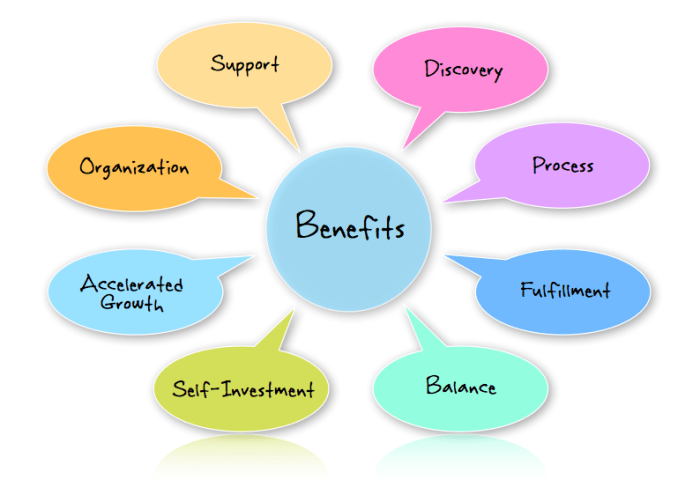
Preventive medicine focuses on identifying and addressing health risks before they escalate into more serious conditions. In a corporate setting, preventive medicine plays a crucial role in promoting employee wellness and reducing healthcare costs for both the employees and the company.
Strategies for Implementing Preventive Health Measures
Implementing preventive health measures in the workplace can significantly impact employee health outcomes and overall well-being. Here are some strategies to consider:
- Offering regular health screenings and check-ups to identify potential health risks early on.
- Providing educational sessions on healthy lifestyle choices, such as nutrition, exercise, and stress management.
- Promoting vaccination programs to prevent the spread of contagious diseases.
- Encouraging physical activity breaks throughout the workday to reduce sedentary behavior.
Benefits of Preventive Medicine
Preventive medicine not only reduces healthcare costs in the long run but also improves employee health outcomes and productivity. Some key benefits include:
- Early detection of health issues leads to timely interventions and better treatment outcomes.
- Reduced absenteeism due to illness, resulting in higher productivity levels.
- Lower healthcare costs for both employees and the company, as preventive measures can prevent costly medical treatments.
- Improved overall employee well-being and satisfaction, contributing to a positive work environment.
Nutritional Counseling
Nutritional counseling plays a crucial role in supporting employees’ dietary needs by providing personalized guidance on healthy eating habits and creating customized meal plans to meet individual health goals.
Examples of Nutritional Counseling Programs
- One successful program implemented by a corporate wellness initiative included regular one-on-one sessions with a registered dietitian to educate employees on proper nutrition and address any dietary concerns.
- Another effective program involved group workshops on meal preparation and healthy cooking techniques to promote better food choices and improve overall health.
Benefits of Personalized Nutritional Guidance
- Personalized nutritional guidance helps employees make informed decisions about their diet, leading to improved energy levels, better concentration, and increased productivity in the workplace.
- By tailoring nutrition plans to individual needs, employees can achieve their health and wellness goals more effectively, whether it’s weight management, improving fitness levels, or managing chronic conditions.
- Empowering employees with the knowledge and tools to make healthier food choices can result in reduced absenteeism, lower healthcare costs, and a more engaged and satisfied workforce.
Healthy Mind
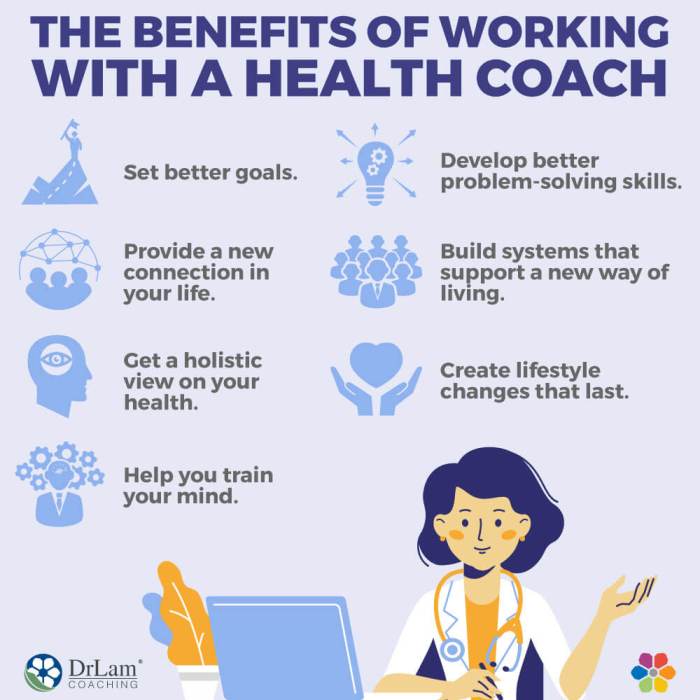
Maintaining a healthy mind is crucial for overall well-being, especially in a corporate setting where stress and pressure can be high. A healthy mind not only improves cognitive function but also positively impacts employee performance and job satisfaction.
Techniques for Promoting Mental Wellness
- Encourage mindfulness practices such as meditation and deep breathing exercises to reduce stress and improve focus.
- Promote work-life balance by setting boundaries and encouraging employees to take breaks to recharge.
- Provide access to mental health resources such as counseling services or employee assistance programs.
- Encourage open communication and create a supportive work environment where employees feel comfortable discussing their mental health.
Impact of a Healthy Mind on Employee Performance
- A healthy mind leads to better decision-making, problem-solving, and creativity in the workplace.
- Employees with a healthy mind are more resilient to challenges and setbacks, leading to higher productivity and efficiency.
- Improved mental wellness can reduce absenteeism and turnover rates, contributing to a positive work culture.
- Employees with a healthy mind are more likely to collaborate effectively with colleagues and contribute positively to team dynamics.
FAQs
How can health coaching benefit employees in corporate settings?
Health coaching can benefit employees by improving their overall wellness, increasing job satisfaction, and boosting productivity levels.
Are there specific examples of successful health coaching programs in corporate environments?
Yes, companies like XYZ and ABC have implemented effective health coaching programs that have significantly improved employee well-being and performance.
What impact does health coaching have on employee productivity and job satisfaction?
Health coaching has been shown to increase productivity by promoting healthy habits and reduce stress, leading to higher job satisfaction among employees.


More Stories
How to promote preventive medicine practices: A Guide to Enhancing Health and Wellness
Health awareness and educational programs: Promoting Wellness Through Knowledge
Health motivation through tracking progress: Stay on track to achieve your wellness goals