Healthy Snacks: Wellness Programs For Nutritional Education
Incorporating healthy snacks into our daily routines is essential for maintaining energy levels, providing essential nutrients, and supporting overall well-being. By choosing nutritious options, we can fuel our bodies with the right balance of vitamins, minerals, and energy to keep us going throughout the day.
Preparing Nutritious Snacks
When preparing healthy snacks, it’s important to consider different dietary needs to accommodate various preferences and restrictions. For example, individuals following a vegetarian or vegan diet may opt for plant-based snacks like hummus with veggie sticks or a fruit and nut mix. Those with gluten sensitivities can enjoy rice cakes with almond butter or Greek yogurt with berries.
Easy-to-Make Healthy Snack Recipes
- Apple slices with almond butter and a sprinkle of cinnamon
- Greek yogurt parfait with granola and mixed berries
- Rice cake with avocado and cherry tomatoes
- Cucumber slices with tuna salad
Wellness Programs
Wellness programs for nutritional education – Wellness programs play a crucial role in promoting nutritional education and overall health by providing individuals with the knowledge and resources to make informed decisions about their diet and lifestyle.
These programs offer a variety of benefits, including:
Types of Wellness Programs
- Workplace Wellness Programs: These initiatives are designed to improve the health and well-being of employees through activities, workshops, and resources focused on nutrition and healthy habits.
- Community-Based Wellness Programs: These programs are organized at the local level to educate community members about the importance of nutrition and provide access to healthy food options.
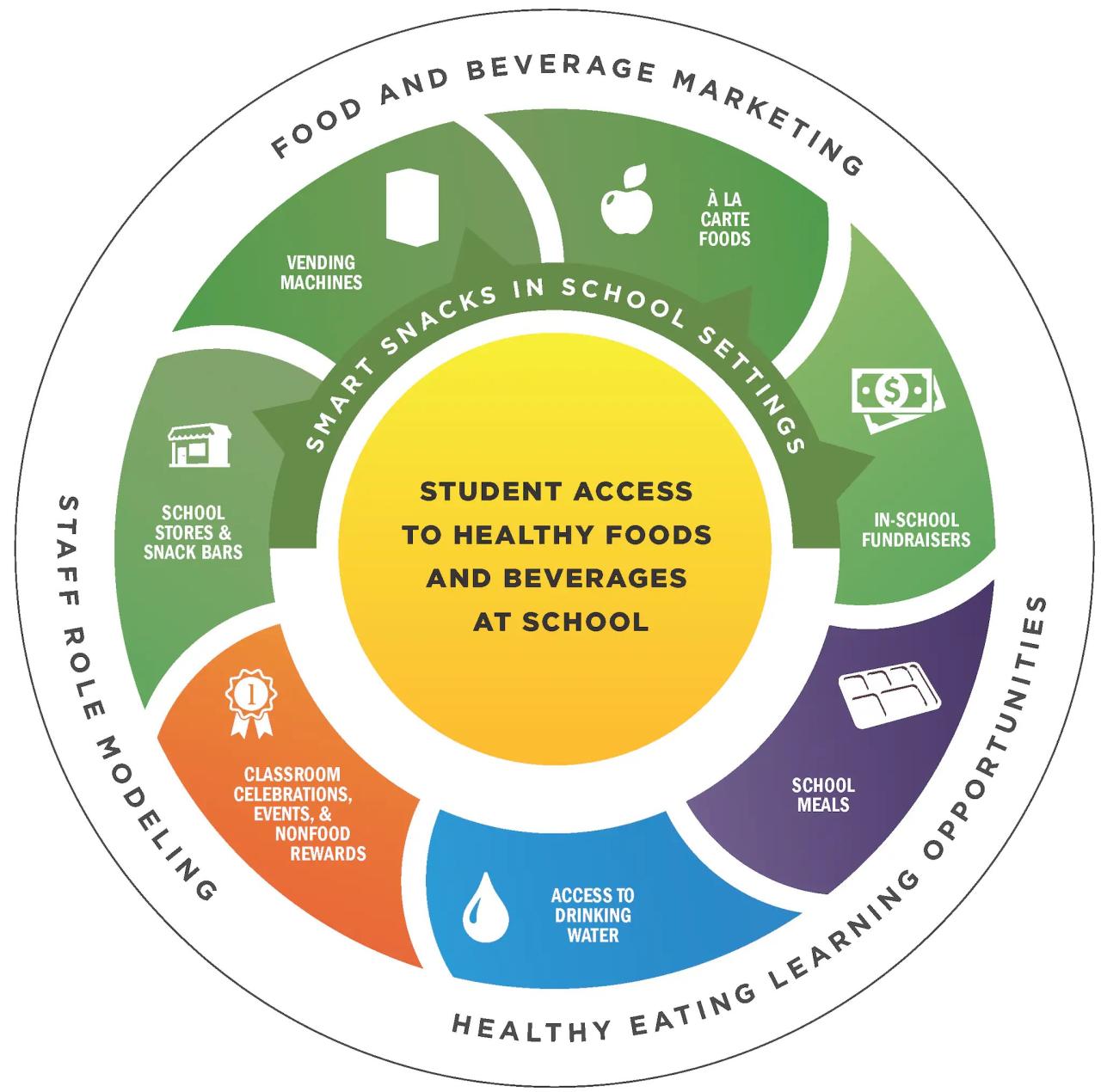
- School Wellness Programs: These programs aim to teach students about the fundamentals of nutrition and encourage healthy eating habits from a young age.
Tips for Creating Effective Wellness Programs
- Assess Needs: Conduct surveys or assessments to understand the specific needs and interests of your target audience.
- Collaborate: Partner with nutritionists, dietitians, and health experts to develop evidence-based content and resources.
- Offer Incentives: Provide rewards or incentives to motivate participants to engage in the program and achieve their wellness goals.
- Evaluate Progress: Regularly monitor and evaluate the effectiveness of the program to make necessary adjustments and improvements.
Physical Therapy
Physical therapy plays a crucial role in promoting overall wellness by helping individuals improve their mobility, flexibility, and strength. It focuses on restoring and maintaining physical function to enhance quality of life and prevent injuries.
Complementing Nutritional Education Programs
Physical therapy can complement nutritional education programs by addressing the physical aspects of health and wellness. It helps individuals build a strong foundation for an active lifestyle by improving their physical fitness and mobility. By combining physical therapy with nutritional education, individuals can achieve a holistic approach to their well-being.
Impact on Achieving Fitness Goals
- Physical therapy can help individuals recover from injuries or surgeries, allowing them to get back to their fitness routines more quickly and safely.
- It can also assist in improving posture, balance, and coordination, which are essential for achieving fitness goals and preventing injuries.
- By addressing muscle imbalances and weaknesses through targeted exercises, physical therapy can optimize performance and enhance overall fitness levels.
Health Coaching
Health coaching plays a crucial role in helping individuals maintain a healthy lifestyle by providing personalized guidance, support, and accountability.
Supporting Nutritional Education Initiatives
Health coaching can greatly support nutritional education initiatives by offering practical advice, creating customized meal plans, and promoting behavior change towards healthier eating habits.
Role of Health Coaches in Achieving Balanced Nutrition
- Health coaches work with individuals to identify their nutritional needs and goals.
- They provide education on portion control, food choices, and meal preparation techniques.
- Health coaches empower individuals to make sustainable lifestyle changes for long-term health benefits.
Medical Advancements
Medical advancements have played a significant role in shaping the field of nutritional education. These innovations have not only improved the way we understand nutrition but have also enhanced the effectiveness of wellness programs.
Impact on Nutritional Education
- Medical advancements, such as genetic testing and personalized medicine, have allowed for a more tailored approach to nutritional education. By understanding an individual’s genetic makeup, healthcare providers can recommend specific dietary changes to optimize health.
- The use of advanced imaging techniques, like MRI and CT scans, has enabled researchers to study the effects of different nutrients on the body in real-time. This has led to a deeper understanding of how nutrition impacts overall health.
- Telemedicine and digital health platforms have made nutritional education more accessible to individuals worldwide. Through virtual consultations and online resources, people can access evidence-based information on healthy eating habits.
Latest Technologies and Innovations
- Virtual reality (VR) technology is being used to simulate various dietary scenarios, allowing individuals to experience the effects of different food choices on their bodies. This immersive experience helps in making informed decisions about nutrition.
- Smart kitchen appliances and wearable devices are revolutionizing the way we track our dietary intake. These gadgets can provide real-time feedback on nutritional content, helping individuals make healthier choices throughout the day.
Improvements in Wellness Programs
- Medical advancements have led to the development of personalized wellness programs that take into account an individual’s unique health profile. By incorporating genetic data and biomarkers, these programs can offer targeted interventions for better health outcomes.
- Advances in medical research have identified specific nutrients and dietary patterns that can prevent or manage chronic conditions. Wellness programs now focus on incorporating these findings to optimize health and well-being.
Fitness Goals
Setting fitness goals is crucial for achieving a healthy lifestyle. When it comes to reaching these goals, proper nutrition plays a significant role in supporting physical activity and overall well-being.
Connection between Fitness Goals and Nutritional Education
Nutritional education helps individuals understand the importance of consuming the right nutrients to fuel their bodies for physical activity. By learning about the impact of different foods on energy levels and muscle recovery, individuals can make informed choices to support their fitness goals.
Tips for Setting and Achieving Fitness Goals through Proper Nutrition
- Focus on balanced meals: Include a variety of fruits, vegetables, whole grains, lean proteins, and healthy fats in your diet to provide essential nutrients for energy and recovery.
- Stay hydrated: Drink an adequate amount of water to support overall health and performance during workouts.
- Plan ahead: Meal prepping and having healthy snacks on hand can help you stay on track with your nutrition goals, especially during busy days.
- Listen to your body: Pay attention to how different foods make you feel and adjust your diet accordingly to optimize your performance.
How Wellness Programs Can Help Individuals Reach Their Fitness Goals
Wellness programs often incorporate nutritional education and guidance to support individuals in achieving their fitness goals. By providing resources, personalized plans, and accountability, these programs can help individuals make sustainable lifestyle changes that promote overall health and well-being.
Balanced Nutrition
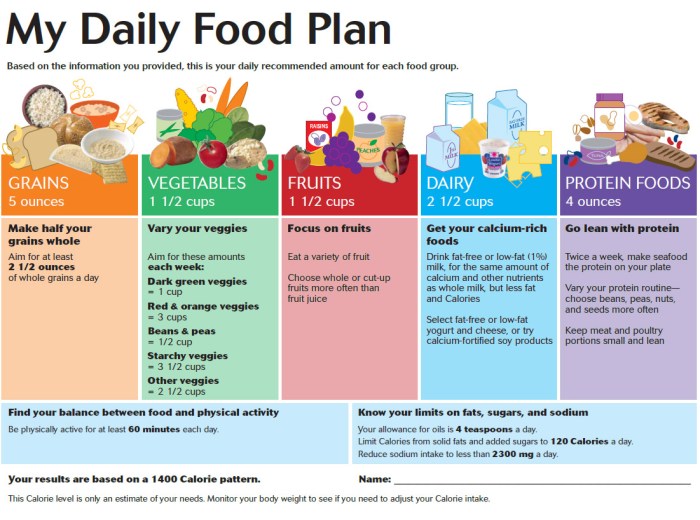
Balanced nutrition is the concept of consuming a variety of foods that provide essential nutrients in the right proportions to maintain overall health and well-being. It involves eating a combination of carbohydrates, proteins, fats, vitamins, minerals, and water to support the body’s functions.
Importance of Balanced Nutrition
Ensuring a balanced diet is crucial for several reasons. It helps in maintaining a healthy weight, reducing the risk of chronic diseases such as heart disease, diabetes, and certain cancers, and supporting proper growth and development. Balanced nutrition also plays a significant role in boosting immunity, improving energy levels, and enhancing mental clarity.
Strategies for Maintaining a Balanced Diet
- Include a variety of fruits and vegetables in your meals to ensure a range of vitamins and minerals.
- Choose whole grains over refined grains for higher fiber content and better nutrient profile.
- Incorporate lean proteins such as poultry, fish, beans, and nuts into your diet.
- Limit processed foods, sugary beverages, and excessive salt intake to reduce empty calories and sodium levels.
- Stay hydrated by drinking an adequate amount of water throughout the day.
Impact of Balanced Nutrition on Health
Consuming a balanced diet has a profound impact on both physical and mental health. It can help in maintaining a healthy weight, reducing inflammation in the body, improving digestion, and enhancing overall well-being. Nutrient-rich foods also support brain function, mood regulation, and cognitive performance, contributing to better mental health outcomes.
Mental Strength
Proper nutrition plays a crucial role in enhancing mental strength, which in turn contributes to overall wellness. By fueling our bodies with the right nutrients, we can improve our cognitive function, mood, and resilience to stress.
Improving Mental Strength through Proper Nutrition
- Avoid processed foods high in sugars and unhealthy fats, as they can negatively impact mood and cognitive function.
- Include foods rich in omega-3 fatty acids, such as fatty fish, flaxseeds, and walnuts, to support brain health and reduce inflammation.
- Consume complex carbohydrates like whole grains, fruits, and vegetables, which provide sustained energy for the brain and promote stable blood sugar levels.
- Stay hydrated by drinking plenty of water throughout the day, as dehydration can impair cognitive function and mood.
- Incorporate foods rich in antioxidants, such as berries, dark leafy greens, and nuts, to protect the brain from oxidative stress and improve mental clarity.
The Role of Mental Strength in Achieving Wellness Goals
Proper nutrition not only nourishes the body but also supports mental resilience, motivation, and focus, all of which are essential for achieving wellness goals. By maintaining mental strength through a balanced diet, individuals can stay committed to their fitness routines, make healthier choices, and overcome obstacles along the way.
Yoga Practice
Regular practice of yoga can bring numerous benefits to overall wellness. Not only does it help improve flexibility and strength, but it also promotes relaxation and stress relief. Incorporating yoga into wellness programs can enhance the holistic approach to health by addressing both physical and mental well-being.
Benefits of Yoga in Wellness Programs
- Enhances flexibility and balance
- Strengthens muscles and improves posture
- Promotes relaxation and reduces stress
- Boosts mental clarity and focus
Yoga Poses for Holistic Health
- Downward-Facing Dog (Adho Mukha Svanasana): This pose stretches the entire body, calms the mind, and relieves stress.
- Tree Pose (Vrikshasana): Helps improve balance and concentration, while also strengthening the legs and core.
- Corpse Pose (Savasana): A relaxation pose that allows for complete rest and rejuvenation of the mind and body.
- Warrior II (Virabhadrasana II): Builds stamina, focus, and inner strength while stretching the legs and arms.
Health Education
Health education plays a crucial role in promoting overall wellness by providing individuals with the knowledge and skills necessary to make informed decisions about their health.
When it comes to nutrition and healthy habits, health education serves as a valuable tool in teaching individuals about the importance of balanced nutrition, portion control, and making healthy food choices. By raising awareness about the impact of diet on overall health, health education can empower individuals to make positive changes in their eating habits and lifestyle.
Effective Health Education Programs for Nutritional Awareness
- Interactive Workshops: Hands-on workshops that involve cooking demonstrations, grocery store tours, and meal planning sessions can help individuals learn practical skills for making healthier food choices.
- School-Based Nutrition Programs: Programs implemented in schools can educate children and adolescents about the importance of nutrition and encourage healthy eating habits from a young age.
- Community Nutrition Classes: Offering nutrition classes in community centers or workplaces can help individuals access valuable information and resources to improve their dietary habits.
Weight Management
Weight management is a crucial aspect of overall wellness, and it is closely linked to nutritional education. By understanding the impact of different foods on our bodies, we can make informed choices that support a healthy weight.
Strategies for Achieving and Maintaining a Healthy Weight
Implementing the following strategies can help individuals achieve and maintain a healthy weight through proper nutrition:
- Focus on whole, nutrient-dense foods such as fruits, vegetables, lean proteins, and whole grains.
- Avoid processed foods high in added sugars, unhealthy fats, and excessive salt.
- Practice mindful eating by listening to your body’s hunger and fullness cues.
- Stay hydrated by drinking plenty of water throughout the day.
- Incorporate regular physical activity into your routine to support weight management goals.
Role of Wellness Programs in Supporting Weight Management Goals, Wellness programs for nutritional education
Wellness programs play a vital role in supporting weight management goals by providing individuals with the tools, resources, and support they need to make sustainable lifestyle changes. These programs often include:
- Customized meal plans and nutritional guidance tailored to individual needs.
- Physical activity sessions and exercise plans to promote calorie expenditure and muscle strength.
- Behavioral coaching and support to address emotional eating, stress management, and other factors that may impact weight.
- Regular monitoring and progress tracking to celebrate successes and make adjustments as needed.
Health Checkups
Regular health checkups play a vital role in monitoring overall wellness and detecting any potential health issues early on. These routine examinations are essential for maintaining good health and preventing the progression of diseases.
Importance of Health Checkups in Monitoring Wellness
- Regular health checkups help in assessing the current state of health and identifying any risk factors or abnormalities.
- Early detection of health issues through checkups enables timely intervention and treatment, improving the chances of successful outcomes.
- Monitoring key health indicators such as blood pressure, cholesterol levels, and blood sugar can help in preventing serious health conditions.
Complementing Nutritional Education Initiatives
- Health checkups provide valuable data on individual health status, which can be used to tailor nutritional plans based on specific needs and goals.
- By incorporating health checkups into nutritional education programs, individuals can track the effectiveness of dietary changes and make informed decisions for better health.
- Understanding how nutrition impacts overall health can enhance the value of health checkups by promoting a holistic approach to wellness.
Benefits of Incorporating Health Checkups into Wellness Programs
- Regular health checkups encourage proactive health management and empower individuals to take charge of their well-being.
- Early detection of health issues can lead to prompt treatment, reducing the risk of complications and improving quality of life.
- Health checkups create opportunities for health professionals to provide personalized guidance and support for individuals on their wellness journey.
Skin Health
Proper nutrition plays a crucial role in maintaining skin health. The food we eat can have a direct impact on the overall wellness of our skin. By making healthy choices, we can improve our skin’s appearance and vitality.
The Link Between Nutrition and Skin Health
- Eating a diet rich in fruits and vegetables can provide essential vitamins and antioxidants that promote healthy skin.
- Omega-3 fatty acids found in fish, nuts, and seeds help maintain skin elasticity and hydration.
- Hydrating foods like cucumbers, watermelon, and leafy greens can keep the skin moisturized and supple.
Tips for Improving Skin Health Through Nutrition
- Stay hydrated by drinking plenty of water throughout the day to keep your skin hydrated and healthy.
- Include foods rich in vitamins A, C, and E in your diet to promote collagen production and protect against skin damage.
- Avoid processed foods and sugar, which can contribute to inflammation and skin issues.
Impact of Healthy Eating on Maintaining Skin Wellness
- A balanced diet that includes a variety of nutrients can help prevent premature aging and maintain a youthful appearance.
- Healthy fats from sources like avocado and olive oil can help nourish the skin and improve its texture.
- Reducing the intake of foods high in trans fats and sugars can help prevent breakouts and skin problems.
Emotional Health
Emotional health plays a crucial role in overall wellness as it impacts how we think, feel, and act in our daily lives. It involves managing stress, building positive relationships, and coping with challenges effectively.
Support through Nutritional Education
Nutritional education can support emotional well-being by emphasizing the importance of a balanced diet in regulating mood and energy levels. Consuming nutrient-rich foods like fruits, vegetables, whole grains, and lean proteins can help stabilize emotions and promote mental clarity.
Importance in Wellness Programs
Addressing emotional health in wellness programs is essential as it contributes to a holistic approach to health. By incorporating strategies for stress management, mindfulness practices, and emotional resilience, individuals can enhance their overall well-being and improve their quality of life.
Health Motivation
Staying motivated to maintain a healthy lifestyle is crucial for overall well-being. It can be challenging at times, but with the right strategies and mindset, it is achievable.
Wellness programs play a significant role in providing motivation for nutritional education. They offer support, guidance, and resources to help individuals make better food choices and adopt healthier eating habits.
Strategies for Staying Motivated
- Set realistic goals: Break down your health and wellness goals into achievable milestones to stay motivated.
- Find a support system: Surround yourself with like-minded individuals who encourage and motivate you on your journey.
- Reward yourself: Celebrate your progress and achievements with non-food rewards to stay motivated.
Cultivating a Positive Mindset
- Practice gratitude: Focus on the positive aspects of your health journey and be grateful for the progress you’ve made.
- Affirmations: Use positive affirmations to boost your confidence and motivation towards a healthier lifestyle.
- Visualize success: Imagine yourself achieving your health goals to stay motivated and focused on your journey.
Physical Activities
Regular physical activity is essential for maintaining overall health and well-being. Incorporating physical activities into daily routines provides numerous benefits for individuals of all ages.
Physical activities contribute to overall wellness and fitness by improving cardiovascular health, strengthening muscles and bones, enhancing flexibility and balance, and boosting mood and mental health. Engaging in regular exercise can also help in managing weight, reducing the risk of chronic diseases, and increasing longevity.
Examples of Fun and Effective Physical Exercises
- Daily walks or jogs in the neighborhood or park
- Dancing to your favorite music at home
- Yoga or Pilates for flexibility and core strength
- Swimming for a full-body workout
- Cycling for cardiovascular fitness
- Bodyweight exercises like push-ups, squats, and lunges
- Playing sports such as basketball, tennis, or soccer
- Gardening or doing yard work for physical activity
Health Awareness
Raising awareness about health and wellness is crucial in promoting overall well-being and preventing diseases. By educating individuals about the importance of maintaining a healthy lifestyle, we empower them to make informed choices that benefit their physical, mental, and emotional health.
Importance of Health Awareness Campaigns
- Health awareness campaigns help in spreading information about the significance of balanced nutrition, regular exercise, and mental well-being.
- These initiatives encourage individuals to take charge of their health by making positive lifestyle changes and seeking necessary medical care.
- By raising awareness, we can combat misinformation and myths surrounding health practices, leading to a more informed and health-conscious society.
Promoting Nutritional Education through Awareness Campaigns
- Awareness campaigns focusing on nutrition can educate individuals about the importance of consuming a well-rounded diet rich in fruits, vegetables, whole grains, and lean proteins.
- These initiatives can highlight the benefits of avoiding processed foods, excessive sugar, and unhealthy fats, leading to improved overall health and decreased risk of chronic diseases.
- By promoting nutritional education, we empower individuals to make healthier food choices, leading to better energy levels, improved digestion, and enhanced immune function.
Successful Health Awareness Initiatives
- The “5 A Day” campaign, encouraging people to eat at least five servings of fruits and vegetables daily, has been successful in promoting healthy eating habits.
- The “Movember” movement has raised awareness about men’s health issues, particularly prostate cancer and mental health, leading to increased screenings and support for affected individuals.
- The “Stoptober” campaign has helped thousands of individuals quit smoking by providing resources, support, and encouragement during the month of October.
Preventive Medicine
Preventive medicine plays a crucial role in maintaining overall wellness by focusing on identifying and addressing risk factors before they escalate into health issues. By emphasizing proactive measures, preventive medicine aims to prevent diseases and promote a healthy lifestyle.
Role in Wellness
- Regular health check-ups and screenings can help in early detection of potential health problems, allowing for timely intervention and treatment.
- Immunizations and vaccinations are key preventive measures that protect against various diseases and infections.
- Promoting healthy behaviors such as regular exercise, balanced nutrition, and stress management can reduce the risk of chronic illnesses.
Alignment with Nutritional Education
Preventive medicine practices align closely with nutritional education by emphasizing the importance of a healthy diet in disease prevention and overall well-being. Educating individuals about proper nutrition can empower them to make informed food choices that support their health goals and reduce the risk of developing nutrition-related diseases.
Examples of Strategies
- Encouraging regular physical activity to maintain a healthy weight and reduce the risk of obesity-related conditions like diabetes and heart disease.
- Promoting smoking cessation programs to prevent respiratory diseases and various types of cancer.
- Providing education on the importance of sun protection to prevent skin cancer and premature aging.
Nutritional Counseling
Nutritional counseling plays a crucial role in promoting healthy eating habits by providing personalized guidance and education on proper nutrition. It helps individuals make informed choices about their diet, leading to improved overall health and wellness.
Enhancing Wellness Programs
Nutritional counseling can enhance wellness programs by offering tailored nutrition plans that align with individuals’ specific health goals. By addressing dietary needs and concerns, it can optimize the effectiveness of wellness initiatives, leading to better outcomes and sustained lifestyle changes.
- Assessing dietary habits and nutritional deficiencies
- Creating individualized meal plans
- Providing ongoing support and education
- Monitoring progress and making adjustments as needed
Finding a Qualified Nutritional Counselor
When seeking a nutritional counselor for personalized guidance, consider factors such as their credentials, experience, and approach to nutrition. Look for professionals who are registered dietitians or certified nutritionists with a track record of helping clients achieve their health goals successfully.
It is essential to choose a nutritional counselor who takes a holistic approach to health and wellness, considering not only what you eat but also your lifestyle, preferences, and overall well-being.
Healthy Mind
Having a healthy mind is crucial for overall well-being, and it is closely connected to nutritional education. The food we eat can greatly impact our mental health, influencing our mood, cognitive function, and emotional well-being. By understanding the link between a healthy mind and proper nutrition, we can make informed choices that support our mental wellness.
Strategies for Nurturing a Healthy Mind through Nutrition and Wellness Practices
- Focus on whole foods rich in nutrients: Consuming a diet high in fruits, vegetables, whole grains, lean proteins, and healthy fats provides the essential vitamins and minerals needed for optimal brain function.
- Stay hydrated: Dehydration can affect cognitive performance and mood, so it’s important to drink an adequate amount of water throughout the day.
- Limit processed foods and sugars: Foods high in added sugars and unhealthy fats can negatively impact mental health, leading to mood swings and decreased cognitive function.
- Incorporate mindfulness practices: Mindful eating can help cultivate a positive relationship with food, reduce stress, and enhance overall well-being.
- Engage in regular physical activity: Exercise has been shown to improve mood, reduce anxiety and depression, and boost cognitive function, all of which contribute to a healthy mind.
Q&A
How do wellness programs contribute to nutritional education?
Wellness programs offer a holistic approach to educating individuals about nutrition, focusing on overall well-being.
What role do physical activities play in wellness programs?
Physical activities are essential in promoting fitness and overall wellness, complementing the educational aspect of nutrition.
Why is balanced nutrition important for mental health?
Balanced nutrition is crucial for maintaining optimal mental health as it provides essential nutrients for brain function and emotional well-being.


More Stories
How to promote preventive medicine practices: A Guide to Enhancing Health and Wellness
Health awareness and educational programs: Promoting Wellness Through Knowledge
Health motivation through tracking progress: Stay on track to achieve your wellness goals