Nutritional Counseling
Nutritional counseling plays a crucial role in promoting sustainable eating habits by providing individuals with personalized guidance and support to make healthier food choices. By working closely with a nutritionist, individuals can develop a deeper understanding of their nutritional needs and learn how to create sustainable eating habits that align with their lifestyle and goals.
Importance of Nutritional Counseling
Nutritional counseling helps individuals develop a personalized nutrition plan that takes into account their dietary preferences, health conditions, and lifestyle factors. By tailoring nutrition recommendations to meet individual needs, a nutritionist can empower clients to make sustainable changes to their eating habits that promote long-term health and well-being.
Examples of Personalized Nutrition Plans
During counseling sessions, nutritionists may develop personalized nutrition plans that focus on specific goals such as weight management, improving athletic performance, managing chronic conditions like diabetes or heart disease, or simply promoting overall health and wellness. These plans often include recommendations for balanced meals, portion control, nutrient-dense foods, and strategies for overcoming barriers to healthy eating.
Role of a Nutritionist
A nutritionist plays a key role in educating individuals about healthy food choices and portion control. By providing evidence-based information and practical tips, nutritionists help clients navigate the complex world of nutrition and empower them to make informed decisions about their diet. In addition to education, nutritionists offer ongoing support and accountability to help individuals stay on track with their nutrition goals and adopt sustainable eating habits for the long term.
Sustainable Eating Habits
Nutritional counseling and sustainable eating habits – Sustainable eating habits refer to dietary practices that are not only beneficial for individual health but also for the environment in the long run. These habits focus on consuming foods that are produced in a way that minimizes harm to the planet and promotes sustainable food systems.
Characteristics of Sustainable Eating Habits
- Choosing locally sourced and seasonal produce to reduce carbon footprint from transportation.
- Opting for organic foods to support eco-friendly farming practices and avoid harmful pesticides.
- Reducing meat consumption and incorporating plant-based meals to lower greenhouse gas emissions associated with animal agriculture.
- Avoiding single-use plastics and opting for sustainable packaging options to reduce waste.
- Supporting fair trade products to ensure ethical treatment of food producers and workers.
Tips to Incorporate Sustainable Eating Habits
- Meal prep at home using reusable containers to minimize food waste and packaging materials.
- Grow your own herbs or vegetables at home to reduce reliance on store-bought produce.
- Join a community-supported agriculture (CSA) program to receive fresh, locally grown produce directly from farmers.
- Choose whole foods over processed foods to support sustainable farming practices and promote better nutrition.
- Educate yourself about sustainable food choices and make informed decisions when shopping or dining out.
Environmental Impact of Sustainable Eating Practices
Sustainable eating practices have a positive impact on the environment by reducing greenhouse gas emissions, preserving natural resources, and promoting biodiversity. By supporting sustainable food systems, individuals can contribute to a healthier planet for future generations.
Healthy Snacks
Choosing nutritious snacks that support sustainable eating habits is essential for maintaining a healthy lifestyle. Healthy snacks not only provide essential nutrients but also help in managing hunger between meals. Here are some options and benefits of opting for healthy snacks over processed ones:
Nutritious Snack Options
- Fresh fruits like apples, bananas, and berries
- Vegetable sticks with hummus or guacamole
- Plain Greek yogurt with nuts or seeds
- Air-popped popcorn
- Homemade trail mix with dried fruits and nuts
Benefits of Choosing Healthy Snacks
- Healthy snacks provide essential vitamins, minerals, and fiber for overall health.
- They help in maintaining stable blood sugar levels, preventing energy crashes.
- Choosing healthy snacks can aid in weight management and support sustainable eating habits.
Ideas for Easy-to-Prepare and Portable Healthy Snacks
- Hard-boiled eggs
- Rice cakes with almond butter
- Cottage cheese with cherry tomatoes
- Homemade energy balls with oats, dates, and nuts
- Sliced bell peppers with hummus
Wellness Programs
Nutritional counseling plays a crucial role in wellness programs aimed at promoting overall health and well-being. By integrating nutrition education and guidance into wellness initiatives, individuals can make informed choices about their diet and lifestyle, leading to improved health outcomes and a better quality of life.
Successful Wellness Programs Focusing on Sustainable Eating Habits
- The “Farm to Table” program implemented by a local community center partners with local farmers to provide fresh, organic produce to participants, educating them on the benefits of sustainable eating habits.
- The workplace wellness program at a corporate office encourages employees to maintain a balanced diet by offering healthy cooking classes and nutrition workshops focused on sustainable food choices.
- A university wellness program promotes sustainable eating habits through community gardens on campus, where students can grow their own fruits and vegetables and learn about the importance of locally sourced food.
Benefits of Combining Physical Activity with Nutrition in Wellness Initiatives
- Physical activity and nutrition go hand in hand to promote overall health and well-being, as a balanced diet fuels the body for exercise and helps in recovery.
- Combining physical activity with nutrition in wellness initiatives can lead to better weight management, improved cardiovascular health, and increased energy levels.
- Regular exercise paired with proper nutrition can help reduce the risk of chronic diseases such as diabetes, heart disease, and obesity, contributing to a longer and healthier life.
Physical Therapy
Physical therapy plays a crucial role in helping individuals recover from injuries, surgeries, or chronic conditions. It focuses on improving mobility, strength, and overall function through targeted exercises and treatments.
Nutrition and Physical Therapy
Proper nutrition plays a significant role in supporting the outcomes of physical therapy. A balanced diet provides the essential nutrients needed for tissue repair, muscle recovery, and overall health. By fueling your body with the right nutrients, you can enhance the effectiveness of your physical therapy sessions and speed up the recovery process.
- Include an adequate amount of protein in your diet to support muscle repair and growth. Lean sources of protein such as chicken, fish, beans, and tofu are excellent choices.
- Consume a variety of fruits and vegetables to ensure you’re getting a wide range of vitamins, minerals, and antioxidants that promote healing and reduce inflammation.
- Stay hydrated by drinking plenty of water throughout the day. Proper hydration is essential for joint lubrication, muscle function, and overall recovery.
- Avoid processed foods high in sugar, salt, and unhealthy fats, as they can hinder your body’s healing process and increase inflammation.
Maintaining a Nutritious Diet During Physical Therapy
While undergoing physical therapy, it’s essential to maintain a nutritious diet to support your body’s healing and recovery. Here are some tips to help you stay on track:
- Plan your meals in advance to ensure you have healthy options readily available. Prep healthy snacks like nuts, fruits, or yogurt to have on hand during your therapy sessions.
- Work with a nutritionist to create a customized meal plan that aligns with your therapy goals and dietary preferences.
- Aim for balanced meals that include a mix of lean proteins, whole grains, healthy fats, and plenty of fruits and vegetables.
- List your medications and dietary supplements for your therapist and nutritionist to ensure there are no interactions that could hinder your progress.
Health Coaching
Health coaching plays a crucial role in reinforcing sustainable eating habits by providing personalized guidance and support to individuals on their journey towards better nutrition and overall wellness. Through regular sessions with a health coach, clients can gain valuable insights, set achievable goals, and receive accountability to stay on track with their dietary changes.
Collaborative Approach between Health Coaches and Clients
Health coaches work closely with clients to develop customized nutrition plans that align with their specific needs, preferences, and lifestyle. By fostering a collaborative relationship, health coaches empower clients to take ownership of their health and make sustainable changes to their eating habits. Together, they set realistic goals, monitor progress, and make adjustments as needed to ensure long-term success.
Success Stories of Individuals Benefiting from Health Coaching
– Sarah, a busy working mother, struggled with finding time to prepare healthy meals for her family. With the help of a health coach, she learned how to plan and prep nutritious meals in advance, leading to improved energy levels and better overall health.
– John, a fitness enthusiast, wanted to optimize his performance through proper nutrition. With guidance from his health coach, he made adjustments to his diet and saw significant improvements in his athletic performance and recovery.
– Maria, a chronic dieter, sought support to develop a healthier relationship with food. Through health coaching, she learned to tune into her body’s hunger cues, break free from restrictive eating habits, and embrace a balanced approach to nutrition.
Medical Advancements
Medical advancements play a crucial role in shaping nutritional counseling practices and promoting sustainable eating habits. These advancements have revolutionized the way nutritional assessments are conducted, leading to more accurate and personalized recommendations for individuals seeking to improve their health through diet.
Innovative Technologies Supporting Sustainable Eating Habits
With the help of innovative technologies, individuals can now easily track their food intake, monitor their nutritional needs, and access valuable information on sustainable eating habits. These tools empower people to make informed choices about their diet and lifestyle, ultimately leading to better health outcomes.
Improved Nutritional Assessment Methods
- Genetic Testing: Advances in genetic testing have allowed healthcare providers to identify genetic predispositions to certain health conditions and tailor nutritional recommendations accordingly.
- Bioelectrical Impedance Analysis (BIA): BIA is a non-invasive method used to assess body composition, including muscle mass and body fat percentage, providing valuable insights for designing personalized nutrition plans.
- Metabolic Testing: Metabolic testing helps determine an individual’s metabolic rate, allowing for more precise calorie recommendations and better understanding of how the body processes nutrients.
- Mobile Apps and Wearable Devices: Mobile apps and wearable devices enable users to track their food intake, physical activity, and vital signs, providing real-time data for healthcare professionals to analyze and adjust nutritional interventions.
Fitness Goals
Nutrition plays a crucial role in achieving fitness goals and maintaining sustainable eating habits. By aligning dietary choices with fitness objectives, individuals can optimize their performance, recovery, and overall health. A well-rounded diet that provides essential nutrients, energy, and hydration is essential for reaching fitness goals effectively.
Relationship between Nutrition, Fitness Goals, and Sustainable Eating Habits
To achieve fitness goals, it is essential to fuel the body with the right nutrients at the right time. Proper nutrition supports muscle growth, repair, and recovery, enhancing performance during workouts and promoting overall well-being. Sustainable eating habits ensure consistency and long-term success in reaching fitness goals.
- Focus on whole foods: Incorporate a variety of fruits, vegetables, whole grains, lean proteins, and healthy fats into your diet to ensure you are getting essential nutrients.
- Stay hydrated: Drink an adequate amount of water throughout the day to support metabolism, digestion, and overall performance during physical activities.
- Balance macronutrients: Include carbohydrates, proteins, and fats in your meals to provide energy, support muscle growth, and regulate hormones.
- Plan ahead: Meal prepping and planning can help you make healthier food choices and avoid impulsive decisions that may hinder your progress towards fitness goals.
Importance of a Well-Rounded Diet in Achieving Fitness Goals
A well-rounded diet that includes a variety of nutrients is essential for optimizing performance, recovery, and overall health. By fueling your body with the right nutrients, you can enhance your workouts, prevent injuries, and support your body’s needs during physical activities.
- Supports muscle growth and repair: Protein-rich foods help repair and build muscles, aiding in recovery and enhancing performance.
- Boosts energy levels: Carbohydrates are the body’s primary source of energy, providing fuel for workouts and daily activities.
- Enhances recovery: Antioxidants, vitamins, and minerals found in fruits and vegetables support recovery by reducing inflammation and oxidative stress.
- Promotes overall well-being: A well-rounded diet not only supports fitness goals but also contributes to overall health, immunity, and longevity.
Balanced Nutrition
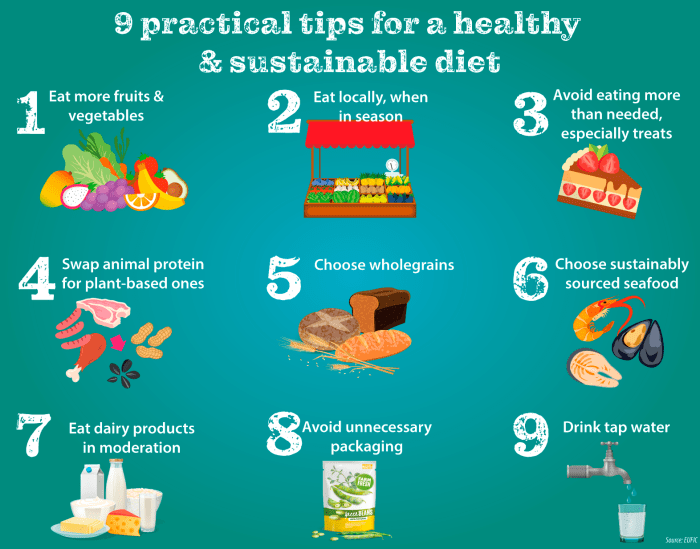
When it comes to balanced nutrition, it is essential to ensure that individuals of different age groups are getting the right mix of nutrients to support their overall health and well-being.
What Constitutes a Balanced Diet
A balanced diet typically includes a variety of foods from different food groups, such as fruits, vegetables, whole grains, lean proteins, and healthy fats. For children and teenagers, it is important to focus on nutrient-dense foods to support growth and development. Adults should aim for a mix of macronutrients and micronutrients to maintain optimal health. Older adults may need to pay special attention to getting enough calcium, Vitamin D, and fiber to support bone health and digestion.
Examples of Balanced Meals
- Breakfast: Greek yogurt with berries and almonds
- Lunch: Grilled chicken salad with mixed greens, avocado, and quinoa
- Dinner: Baked salmon with roasted sweet potatoes and steamed broccoli
Impact on Health and Well-being
Consuming a balanced diet has numerous benefits for overall health and well-being. It can help maintain a healthy weight, reduce the risk of chronic diseases such as heart disease and diabetes, improve energy levels, support mental health, and enhance overall quality of life. By fueling the body with the right nutrients, individuals can optimize their health and feel their best.
Mental Strength: Nutritional Counseling And Sustainable Eating Habits
Proper nutrition plays a crucial role in not just physical health, but also mental well-being. The link between nutrition, mental health, and sustainable eating habits is undeniable, as certain foods can greatly impact cognitive function and emotional stability. Here, we will explore how you can support your mental strength through the right diet choices.
Foods for Mental Clarity and Emotional Well-being
- Omega-3 Fatty Acids: Foods rich in omega-3s such as fatty fish, flaxseeds, and walnuts can support brain health and improve mood.
- Antioxidants: Berries, dark chocolate, and leafy greens are packed with antioxidants that protect the brain from oxidative stress and support mental clarity.
- Probiotics: Fermented foods like yogurt, kefir, and kimchi can improve gut health, which is linked to better mental health and reduced anxiety.
Strategies for Maintaining Mental Strength
- Stay Hydrated: Dehydration can affect cognitive function, so make sure to drink enough water throughout the day.
- Balance Blood Sugar: Opt for whole grains, lean proteins, and healthy fats to maintain steady blood sugar levels and avoid mood swings.
- Practice Mindful Eating: Pay attention to your food choices and eating habits, as mindful eating can help reduce stress and improve mental focus.
Yoga Practice
Engaging in a regular yoga practice offers numerous physical and mental benefits. But did you know that nutrition plays a crucial role in supporting and enhancing your yoga sessions? Let’s explore how dietary choices can impact your yoga practice.
Role of Nutrition in Supporting a Yoga Practice
Proper nutrition is essential for fueling your body during yoga sessions. It provides the necessary energy to sustain physical movements, enhance flexibility, and improve focus and concentration.
Dietary Considerations for Individuals Engaged in Regular Yoga
For individuals who practice yoga regularly, it is important to focus on a balanced diet that includes a variety of nutrient-dense foods. Incorporating whole grains, lean proteins, fruits, vegetables, and healthy fats can help meet the energy demands of yoga practice and support muscle recovery.
Tips for Pre and Post-Yoga Meal Choices
Before a yoga session, opt for light meals that are easy to digest, such as a banana with almond butter or a smoothie with protein powder. After yoga, refuel your body with a combination of carbohydrates and proteins, like a quinoa salad with grilled chicken or a Greek yogurt parfait with fruits and nuts.
Health Education

Health education plays a crucial role in promoting sustainable eating habits by providing individuals with the knowledge and skills they need to make informed food choices. By increasing health literacy, people can better understand the impact of their diet on their overall health and well-being. This empowers them to adopt healthier eating habits and make sustainable changes to their lifestyle.
Examples of Effective Health Education Programs
- Community-based nutrition workshops that teach participants about the importance of balanced nutrition and how to incorporate more fruits and vegetables into their diet.
- School-based programs that educate children about the benefits of healthy eating and the dangers of consuming too much processed foods and sugary drinks.
- Online resources and apps that provide personalized nutrition advice and meal planning tips to help individuals make healthier food choices.
Empowering Individuals through Health Literacy
Health literacy refers to an individual’s ability to understand and interpret health information, enabling them to make informed decisions about their health. By increasing health literacy through education, individuals can develop the skills needed to navigate the complex world of nutrition and make choices that support their overall well-being. When people are equipped with the knowledge to distinguish between healthy and unhealthy food options, they are more likely to prioritize their health and adopt sustainable eating habits.
Weight Management
When it comes to weight management, the connection between nutrition and sustainable eating habits plays a crucial role in achieving your goals. By adopting healthy approaches to weight loss or maintenance through diet, you can create a sustainable eating plan for long-term success.
Healthy Approaches to Weight Loss
- Focus on whole foods such as fruits, vegetables, lean proteins, and whole grains to provide essential nutrients without excess calories.
- Avoid highly processed foods, sugary drinks, and excessive amounts of added sugars and fats that can contribute to weight gain.
- Practice portion control by being mindful of serving sizes and listening to your body’s hunger cues to prevent overeating.
Creating a Sustainable Eating Plan
- Meal prep and plan ahead to ensure you have nutritious options readily available, making it easier to stick to your weight management goals.
- Incorporate regular physical activity into your routine to support weight loss or maintenance and improve overall health.
- Stay hydrated by drinking plenty of water throughout the day to help control appetite and support metabolism.
Health Checkups
Regular health checkups play a crucial role in monitoring nutritional health. These routine screenings are essential for detecting and addressing any potential nutritional deficiencies early on. Healthcare providers can incorporate nutritional assessments during checkups to ensure overall well-being.
Importance of Routine Screenings
- Routine screenings help in identifying any nutritional deficiencies that may be affecting an individual’s health.
- Early detection through checkups allows for timely intervention and management of nutritional issues.
- Regular monitoring can help track progress and adjust dietary plans accordingly to maintain optimal nutrition levels.
Role of Healthcare Providers
- Healthcare providers can include questions about dietary habits and food intake during checkups to assess nutritional status.
- They can recommend specific tests or evaluations to identify any deficiencies or imbalances in nutrients.
- Providers can offer guidance on healthy eating habits and suggest dietary changes to improve nutritional health.
Skin Health
Nutrition plays a crucial role in maintaining healthy skin, and sustainable eating habits can significantly impact the condition and appearance of our skin. By understanding the link between what we eat and our skin health, we can make informed choices to support glowing and vibrant skin.
Impact of Nutrients on Skin
Certain nutrients have a direct impact on our skin condition and appearance. For instance, antioxidants like Vitamin C and E help protect our skin from damage caused by free radicals, promoting youthful skin. Omega-3 fatty acids help maintain skin hydration and elasticity, reducing the appearance of fine lines and wrinkles. Zinc and selenium support skin healing and reduce inflammation, improving overall skin health.
Foods for Healthy Skin
- Eat a variety of colorful fruits and vegetables rich in antioxidants to protect your skin from oxidative stress.
- Incorporate sources of healthy fats like avocados, nuts, and seeds to support skin hydration and flexibility.
- Include lean proteins like fish, poultry, and legumes to promote collagen production and skin repair.
- Stay hydrated by drinking plenty of water and herbal teas to maintain skin elasticity and flush out toxins.
Emotional Health
Proper nutrition plays a crucial role not only in physical health but also in emotional well-being. The food we consume has a direct impact on our mood and overall mental health.
Nutrition and Emotional Well-being
Nutrition influences emotional health by providing the necessary nutrients for proper brain function. Essential vitamins and minerals found in fruits, vegetables, whole grains, and lean proteins support neurotransmitter production, which affects mood regulation. A deficiency in these nutrients can lead to imbalances in brain chemistry, contributing to mood disorders such as anxiety and depression.
Food Mood and Mental Wellness
The concept of “food mood” refers to the emotional response triggered by the consumption of certain foods. For example, high-sugar and processed foods may provide temporary feelings of pleasure but can lead to energy crashes and mood swings. On the other hand, whole foods rich in fiber, antioxidants, and omega-3 fatty acids promote stable blood sugar levels and support brain health, leading to improved emotional well-being.
Strategies for Emotional Balance
– Prioritize whole foods: Incorporate a variety of colorful fruits and vegetables, whole grains, lean proteins, and healthy fats into your diet to support brain function and mood stability.
– Stay hydrated: Dehydration can impact cognitive function and mood, so make sure to drink an adequate amount of water throughout the day.
– Limit processed foods: Minimize the consumption of foods high in added sugars, unhealthy fats, and artificial ingredients that can negatively impact mood and energy levels.
– Practice mindful eating: Pay attention to your hunger cues and emotions when eating, and avoid using food as a coping mechanism for stress or other emotional issues.
– Seek support: If you’re struggling with emotional eating or mental health concerns, consider reaching out to a mental health professional or counselor for guidance and support.
Health Motivation
Motivation plays a crucial role in sustaining healthy eating habits. It is the driving force that helps individuals make nutritious food choices and stick to them in the long run. Without motivation, it can be challenging to maintain a healthy lifestyle and achieve wellness goals.
Tips for Staying Motivated
- Set realistic and achievable goals: Break down your health goals into smaller, manageable steps to stay motivated along the way.
- Reward yourself: Celebrate your successes, whether big or small, to boost motivation and reinforce positive behavior.
- Find a support system: Surround yourself with like-minded individuals who can encourage and motivate you on your health journey.
- Keep a journal: Track your progress, thoughts, and feelings to stay accountable and motivated to continue making healthy choices.
- Visualize success: Imagine how achieving your health goals will improve your overall well-being and keep that vision in mind for motivation.
Effective Strategies for Boosting Health Motivation
- Practice mindfulness: Be present in the moment and pay attention to your body’s needs, which can help you stay motivated to make healthy choices.
- Stay informed: Educate yourself about the benefits of nutritious foods and how they can impact your health, which can serve as a motivator to make better food choices.
- Try new recipes: Experimenting with different healthy recipes can keep your meals exciting and motivate you to continue eating well.
- Exercise regularly: Physical activity releases endorphins that can boost your mood and motivation to prioritize your health.
- Reward yourself: Treat yourself to non-food rewards for reaching milestones in your health journey, such as a relaxing spa day or a new workout outfit.
Physical Activities
Regular physical activity is essential for overall health and well-being. When combined with proper nutrition and sustainable eating habits, physical activities can have a profound impact on our health. It is crucial to fuel our bodies correctly to support different types of exercises and to optimize performance and recovery.
Importance of Fueling the Body
- Before engaging in any physical activity, it is important to consume a balanced meal or snack that includes carbohydrates, protein, and healthy fats to provide the necessary energy.
- During longer or more intense workouts, it is recommended to consume easily digestible carbohydrates to sustain energy levels.
- Hydration is also key, as water helps regulate body temperature and transport nutrients to cells, aiding in overall performance.
Post-Workout Nutrition
- After exercising, the body requires nutrients to repair muscles and replenish energy stores. Consuming a combination of protein and carbohydrates within 30 minutes to an hour post-workout is ideal for optimal recovery.
- Protein helps rebuild muscle tissue, while carbohydrates help restore glycogen levels and promote muscle recovery.
- Including electrolytes in post-workout nutrition can aid in hydration and muscle function.
Health Awareness
Raising awareness about nutrition and health is crucial in educating individuals about the importance of making healthy choices for their overall well-being. By increasing awareness, people can make informed decisions about their diet, lifestyle, and healthcare practices.
Community initiatives play a significant role in promoting health awareness as they bring together individuals, organizations, and resources to address health-related issues within a specific population. These initiatives can include educational programs, workshops, support groups, and outreach efforts to engage and empower community members to prioritize their health.
Public Health Campaigns on Nutrition Education
- One example of a public health campaign focused on nutrition education is the “5 A Day” program, which encourages individuals to consume at least five servings of fruits and vegetables daily for better health.
- The “Choose My Plate” initiative by the USDA provides visual guidelines on portion sizes and food groups to promote balanced nutrition and healthy eating habits.
- The “Healthy Eating Active Living” campaign aims to educate communities about the benefits of regular physical activity and nutritious food choices for improved health outcomes.
Preventive Medicine
Proper nutrition is a key component of preventive medicine, as it plays a crucial role in maintaining overall health and reducing the risk of chronic diseases. By focusing on healthy eating habits, individuals can significantly improve their well-being and longevity.
Nutrition and Preventive Medicine, Nutritional counseling and sustainable eating habits
- Consuming a balanced diet rich in fruits, vegetables, whole grains, lean proteins, and healthy fats can provide essential nutrients that support the immune system and help prevent diseases.
- Limiting the intake of processed foods, sugary beverages, and excessive amounts of salt and saturated fats can lower the risk of developing conditions such as heart disease, diabetes, and obesity.
- Incorporating foods high in antioxidants, vitamins, and minerals can protect cells from damage and inflammation, reducing the likelihood of developing cancer and other illnesses.
Remember, prevention is always better than cure when it comes to maintaining good health.
Tips for Preventive Nutrition Strategies
- Plan your meals ahead of time to ensure they are well-balanced and nutritious.
- Include a variety of colorful fruits and vegetables in your diet to benefit from different nutrients and antioxidants.
- Stay hydrated by drinking an adequate amount of water throughout the day to support bodily functions and overall health.
- Limit the consumption of processed and high-sugar foods, opting for whole, natural options whenever possible.
Common Queries
How can nutritional counseling help in promoting sustainable eating habits?
Nutritional counseling provides personalized nutrition plans and educates individuals about healthy food choices, fostering sustainable eating habits.
What are some examples of sustainable eating habits?
Sustainable eating habits involve characteristics like choosing nutritious snacks, incorporating healthy options into daily routines, and considering the environmental impact of food choices.
How does health coaching reinforce sustainable eating habits?
Health coaching collaborates with clients to achieve nutritional goals, emphasizing the importance of a balanced diet and promoting long-term wellness.
Why is raising awareness about nutrition and health important?
Increasing health literacy empowers individuals to make informed food choices, leading to better overall health and well-being.
What role does nutrition play in preventive medicine?
Nutrition significantly impacts preventive medicine by reducing the risk of chronic diseases through healthy eating habits and lifestyle choices.


More Stories
Preventive medicine and patient empowerment: Promoting Health and Empowering Patients
Balanced nutrition for boosting immunity: Enhancing Your Bodys Defense