Physical Activities for Reducing Stress
Physical activities play a crucial role in reducing stress levels and improving overall mental well-being. Engaging in regular exercise can help release endorphins, which are known as the body’s natural stress relievers. This can lead to a decrease in anxiety and an overall improvement in mood.
Examples of Effective Physical Activities
- 1. Cardiovascular Exercise: Activities like running, swimming, or cycling can help boost endorphins and reduce stress.
- 2. Yoga: Combining physical movement with mindfulness and breathing techniques, yoga can help calm the mind and reduce stress levels.
- 3. Strength Training: Lifting weights or bodyweight exercises can provide a sense of accomplishment and reduce stress through physical exertion.
- 4. Dance: Moving to music can be a fun and effective way to reduce stress and improve mood.
Connection between Physical Activity and Mental Well-being
Regular physical activity has been linked to improved mental well-being by reducing symptoms of depression, anxiety, and stress. Exercise can also improve sleep quality, boost self-esteem, and increase energy levels. The combination of physical activity and mental well-being creates a positive cycle that contributes to overall health and happiness.
Healthy Snacks
Incorporating healthy snacks into a balanced diet is essential for maintaining overall well-being. Healthy snacks provide necessary nutrients, help regulate blood sugar levels, and boost energy throughout the day.
Nutritious Snack Examples
- Eating a handful of mixed nuts can provide healthy fats, protein, and fiber to keep you feeling full and satisfied.
- Sliced vegetables like carrots, cucumbers, and bell peppers paired with hummus offer a crunchy and nutritious snack option.
- Greek yogurt with a sprinkle of granola and fresh berries is a delicious and protein-packed snack that can support muscle recovery and provide a steady source of energy.
- An apple with a tablespoon of almond butter combines fiber and healthy fats for a satisfying and nutritious snack.
Impact of Healthy Snack Choices
Choosing healthy snacks over processed or sugary options can have a significant impact on your energy levels and mood. Nutrient-dense snacks provide sustained energy, prevent blood sugar spikes and crashes, and support mental clarity and focus. By fueling your body with healthy snacks, you can improve your overall well-being and feel more balanced throughout the day.
Wellness Programs
Physical activities for reducing stress – Wellness programs are designed to promote holistic health by addressing physical, mental, and emotional well-being. These programs focus on preventive measures and lifestyle changes to improve overall health and quality of life.
Activities Included in Wellness Programs
- Yoga and meditation classes to reduce stress and promote relaxation.
- Nutritional counseling and healthy eating workshops to improve diet and energy levels.
- Fitness activities such as group exercise classes or walking clubs to enhance physical health.
- Mindfulness sessions to increase self-awareness and emotional resilience.
- Stress management workshops to provide coping strategies and tools for dealing with stress.
Benefits of Participating in a Wellness Program for Stress Management
- Improved overall health and well-being by addressing physical, mental, and emotional aspects of wellness.
- Reduced stress levels through relaxation techniques and mindfulness practices.
- Better coping mechanisms for dealing with stressors in everyday life.
- Increased energy and productivity due to healthier lifestyle choices.
- Enhanced sense of community and support from participating in group activities.
Physical Therapy
Physical therapy plays a crucial role in improving physical health and reducing stress. Through a combination of specialized exercises, manual techniques, and education, physical therapists help individuals enhance their physical well-being and manage stress-related symptoms effectively.
Benefits of Physical Therapy for Stress Reduction
- Physical therapy techniques such as stretching, strengthening exercises, and relaxation techniques can help reduce muscle tension and promote relaxation, easing stress-related symptoms like headaches and body aches.
- By improving flexibility, mobility, and overall physical function, physical therapy can enhance an individual’s ability to cope with stress and maintain a healthy lifestyle.
- Physical therapists also provide personalized guidance on posture, ergonomics, and body mechanics, which can prevent stress-related injuries and promote better physical health in the long run.
- Seeking professional guidance for a personalized physical therapy plan is essential to address individual needs and goals effectively, ensuring optimal results in stress reduction and physical well-being.
Health Coaching
Health coaches play a crucial role in supporting individuals to achieve their health goals by providing personalized guidance, motivation, and accountability.
Benefits of Health Coaching
- Health coaching can help in stress management and overall well-being by providing strategies to cope with stress, improve mental health, and enhance resilience.
- Working with a health coach offers personalized guidance tailored to individual needs, preferences, and goals, leading to more effective and sustainable lifestyle changes.
- Health coaches can assist in creating realistic action plans, setting achievable goals, and tracking progress to ensure continuous improvement and success.
- By focusing on holistic wellness and addressing various aspects of health, such as nutrition, exercise, sleep, and mental health, health coaching promotes overall well-being and a balanced lifestyle.
Medical Advancements
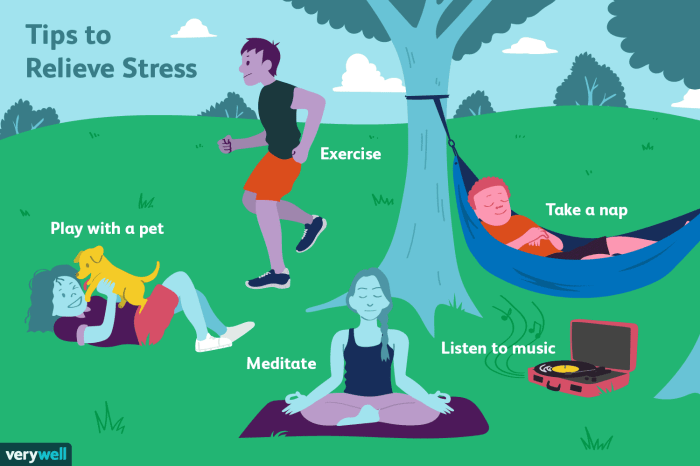
Recent medical advancements have revolutionized the way we approach stress management and physical health. These innovations in healthcare have opened up new possibilities for reducing stress and improving overall well-being.
Biomedical Treatments for Stress Reduction
Advancements in biomedical treatments have provided cutting-edge options for stress reduction. Techniques such as biofeedback and neurofeedback help individuals learn to control physiological responses to stress, leading to better management of anxiety and tension.
Pharmacological Innovations
Pharmacological innovations have also played a significant role in stress management. The development of new medications that target stress-related neurotransmitters in the brain has enhanced treatment options for individuals with chronic stress or anxiety disorders.
Mind-Body Interventions
- Mindfulness-Based Stress Reduction (MBSR) programs have gained popularity as a non-invasive approach to reducing stress. These programs combine mindfulness meditation, yoga, and cognitive therapy to help individuals cultivate a greater sense of awareness and resilience in the face of stressors.
- Virtual reality therapy is another emerging technology that shows promise in stress reduction. By immersing individuals in relaxing virtual environments, this therapy helps alleviate stress and anxiety by providing a distraction from real-life stressors.
Fitness Goals
Setting realistic fitness goals is crucial for effectively managing stress and improving overall well-being. When we have clear and achievable fitness goals, we are more motivated to stay active, make healthier choices, and ultimately reduce stress levels.
Importance of Setting Realistic Fitness Goals
- Start by assessing your current fitness level and identifying areas you want to improve.
- Set specific, measurable, attainable, relevant, and time-bound (SMART) goals to track your progress.
- Consider factors like time availability, interests, and physical limitations when setting fitness goals.
- Consult with a fitness professional to help you create a personalized plan that aligns with your objectives.
Link Between Achieving Fitness Goals and Reducing Stress Levels
- Regular physical activity releases endorphins, which are natural mood-boosting chemicals that help reduce stress and anxiety.
- Achieving fitness goals gives a sense of accomplishment and boosts self-esteem, leading to reduced stress levels.
- Consistent exercise can improve sleep quality, enhance cognitive function, and provide a healthy outlet for stress relief.
- By focusing on achieving fitness goals, individuals can shift their attention away from stressors and towards positive self-improvement.
Balanced Nutrition
When it comes to managing stress and supporting physical health, balanced nutrition plays a crucial role. A diet rich in essential nutrients can help regulate hormones, improve mood, and boost overall well-being.
Nutrient-Rich Foods for Stress Reduction
Here are some examples of nutrient-rich foods that can aid in stress reduction:
- Dark leafy greens like spinach and kale, packed with magnesium to help relax muscles and reduce anxiety.
- Fatty fish such as salmon and mackerel, rich in omega-3 fatty acids that have been linked to lower levels of cortisol, the stress hormone.
- Berries like blueberries and strawberries, high in antioxidants that combat oxidative stress and inflammation.
- Nuts and seeds like almonds and pumpkin seeds, providing healthy fats and magnesium for stress relief.
Tips for Maintaining a Balanced Diet
Here are some tips to help you maintain a balanced diet for overall well-being:
- Include a variety of fruits, vegetables, whole grains, lean proteins, and healthy fats in your meals.
- Avoid processed and sugary foods, which can lead to energy crashes and increased stress levels.
- Stay hydrated by drinking plenty of water throughout the day to support optimal bodily functions.
- Plan your meals ahead of time to ensure you have nutritious options readily available and avoid impulsive choices.
Mental Strength
Building mental strength is crucial for coping with stress and maintaining overall health. Mental strength refers to the ability to effectively deal with challenges, setbacks, and stressors in life.
Strategies for Building Mental Strength
- Practice mindfulness and meditation to increase self-awareness and reduce stress.
- Develop a positive outlook by focusing on gratitude and optimism.
- Set realistic goals and work towards achieving them to boost confidence and resilience.
- Establish a strong support system of friends, family, or a therapist to provide emotional support.
- Engage in regular physical exercise to improve mood and mental well-being.
- Acknowledge and accept your emotions rather than suppressing them, allowing for healthy emotional processing.
Importance of Mental Resilience in Health
Mental resilience plays a vital role in overall health by reducing the negative impact of stress on the body and mind. Individuals with strong mental resilience are better equipped to handle challenges, maintain emotional balance, and bounce back from adversity.
Yoga Practice
Practicing yoga is a powerful tool for reducing stress and promoting mental well-being. The combination of physical postures, breathing techniques, and meditation in yoga helps in calming the mind, reducing anxiety, and improving overall emotional health.
Types of Yoga Practices for Stress Management:
- Hatha Yoga: Focuses on physical postures and breathing exercises to promote relaxation and balance.
- Vinyasa Yoga: Involves flowing movements coordinated with breath, promoting mindfulness and stress relief.
- Restorative Yoga: Uses props to support the body in gentle poses, aiding in deep relaxation and stress reduction.
Mind-Body Connection in Yoga:
Yoga emphasizes the connection between the mind and body, highlighting the importance of being present in the moment and cultivating self-awareness. By practicing yoga, individuals can learn to manage stress more effectively, improve their mental clarity, and enhance their overall well-being.
Health Education
Health education plays a crucial role in empowering individuals to make informed choices about their well-being. By providing knowledge and resources, health education enables people to take control of their health and adopt healthier lifestyles.
Importance of Stress Management Techniques
Health education can raise awareness about stress management techniques, helping individuals recognize the signs of stress and learn how to cope effectively. By educating people about the importance of self-care and relaxation practices, health education equips them with the tools to manage stress in a healthy way.
Impact on Overall Well-being
Health education programs have a significant impact on overall well-being by promoting preventive measures, encouraging healthy behaviors, and fostering a sense of empowerment. By educating individuals about the benefits of physical activity, nutrition, mental health, and other aspects of wellness, health education contributes to a holistic approach to health and wellness.
Weight Management
Maintaining a healthy weight is crucial for reducing stress levels and promoting overall well-being. Excess weight can lead to various health issues, including increased stress and anxiety. By managing weight effectively, individuals can improve their mental and physical health.
Tips for Maintaining a Healthy Weight
- Aim for a balanced diet rich in fruits, vegetables, lean proteins, and whole grains.
- Stay hydrated by drinking plenty of water throughout the day.
- Engage in regular physical activity to burn calories and improve metabolism.
- Avoid processed foods, sugary drinks, and excessive snacking.
- Practice mindful eating by paying attention to hunger cues and eating slowly.
Lifestyle Changes for Effective Weight Management
- Set realistic and achievable weight loss goals to stay motivated.
- Create a consistent exercise routine that includes both cardio and strength training.
- Incorporate stress-reducing activities like yoga or meditation into your daily routine.
- Get an adequate amount of sleep to support weight loss efforts and overall well-being.
- Seek support from a healthcare provider or nutritionist for personalized guidance.
Health Checkups
Regular health checkups play a crucial role in monitoring overall well-being and maintaining good health. These routine examinations help in early detection of any potential health issues, including those related to stress.
Significance of Health Checkups
- Health checkups can help identify early signs of stress-related health problems such as high blood pressure, heart disease, diabetes, and mental health issues.
- Early detection allows for timely intervention and treatment, preventing the escalation of health concerns.
- Regular checkups also provide an opportunity for healthcare providers to offer guidance on stress management techniques and lifestyle modifications.
Importance of Preventive Healthcare
- Preventive healthcare through routine checkups can significantly reduce the risk of developing chronic conditions associated with stress.
- By monitoring key health indicators regularly, individuals can take proactive steps to maintain their well-being and prevent potential health complications.
- Preventive care emphasizes the importance of adopting healthy habits and seeking medical advice before health issues become serious.
Skin Health
Skin health is closely linked to stress levels, as high stress can lead to various skin issues such as acne, eczema, psoriasis, and premature aging. The connection between stress and skin health is well-documented, with stress hormones like cortisol impacting the skin’s barrier function and immunity, making it more susceptible to inflammation and other problems.
Skincare Tips for Reducing Stress-related Skin Issues
- Practice a consistent skincare routine with gentle products suitable for your skin type.
- Incorporate stress-relieving activities such as yoga, meditation, or deep breathing exercises into your daily routine.
- Stay hydrated by drinking plenty of water throughout the day to keep your skin hydrated and healthy.
- Eat a balanced diet rich in fruits, vegetables, and omega-3 fatty acids to support skin health from the inside out.
- Avoid excessive caffeine, alcohol, and sugary foods that can exacerbate stress and skin issues.
Impact of Stress on Skin Health and Ways to Promote Skin Wellness
- Chronic stress can trigger inflammation in the skin, leading to conditions like acne and eczema.
- Engage in regular physical activity to reduce stress levels and improve blood circulation for healthier skin.
- Get an adequate amount of sleep each night to allow your skin to repair and regenerate.
- Seek professional help or counseling if stress is significantly impacting your skin health and overall well-being.
- Consider incorporating relaxation techniques like aromatherapy or skincare rituals to create a calming environment and promote skin wellness.
Emotional Health
Emotional health plays a crucial role in our overall well-being. It involves being aware of and accepting our emotions, managing stress effectively, and building healthy relationships. When we prioritize our emotional health, we can experience greater resilience, improved mood, and a more balanced lifestyle.
Strategies for Improving Emotional Health
- Practice mindfulness and self-awareness: Take time to identify and acknowledge your emotions without judgment. Mindfulness techniques, such as deep breathing and meditation, can help you stay present and manage stress.
- Build strong support systems: Surround yourself with positive and supportive individuals who uplift you during challenging times. Connecting with loved ones and seeking professional help when needed can enhance your emotional well-being.
- Engage in activities that bring you joy: Find hobbies or activities that bring you happiness and fulfillment. Engaging in activities you enjoy can boost your mood and reduce stress levels.
- Set boundaries and prioritize self-care: Learn to say no to things that drain your energy and prioritize self-care practices. Setting boundaries in relationships and taking time for yourself can help maintain emotional balance.
- Seek professional help when needed: If you’re struggling with managing your emotions or dealing with mental health issues, don’t hesitate to seek support from a therapist or counselor. Therapy can provide valuable tools and coping strategies to improve your emotional well-being.
Health Motivation
Maintaining a healthy lifestyle and managing stress can be challenging, but staying motivated is key to achieving your health and wellness goals. Motivation plays a crucial role in keeping you on track and focused on making positive choices for your well-being.
Tips for Staying Motivated
- Set realistic and achievable goals to keep yourself motivated. Break down larger goals into smaller, manageable steps.
- Find a workout buddy or join a fitness class to stay accountable and motivated through social support.
- Reward yourself for reaching milestones along the way. Treat yourself to something you enjoy that doesn’t derail your progress.
- Keep track of your progress to see how far you’ve come. Celebrate your successes and learn from setbacks.
- Stay inspired by following fitness influencers, reading motivational books, or listening to podcasts that encourage healthy habits.
Health Awareness
Raising awareness about health issues, including stress management, is crucial for promoting overall well-being and preventing various illnesses. By educating individuals about the importance of maintaining a healthy lifestyle and managing stress effectively, we can empower them to make informed decisions about their health.
Impact of Health Awareness Campaigns
Health awareness campaigns play a significant role in promoting well-being by reaching out to communities and providing valuable information and resources. These initiatives aim to educate individuals about the importance of leading a healthy lifestyle, including regular exercise, balanced nutrition, and stress management techniques.
- Health fairs organized in local communities provide access to free health screenings, educational materials, and consultations with healthcare professionals.
- Social media campaigns raise awareness about various health issues, including mental health, healthy eating habits, and the importance of regular physical activity.
- Collaborations between healthcare providers, schools, and local organizations help spread awareness about the importance of preventive care and early intervention.
Preventive Medicine: Physical Activities For Reducing Stress
Preventive medicine plays a crucial role in reducing the risk of stress-related health conditions by focusing on strategies to prevent illnesses before they occur. By addressing potential health issues proactively, individuals can significantly reduce the negative impact of stress on their overall well-being.
Importance of Preventive Medicine
- Regular health check-ups can help identify potential health risks early on, allowing for timely intervention and prevention of more serious health issues.
- Healthy lifestyle choices such as balanced nutrition, regular exercise, and adequate sleep are key preventive measures that can help individuals better cope with stress and maintain optimal health.
- Preventive medicine emphasizes the importance of vaccinations, screenings, and other preventive interventions to protect against various diseases and conditions that can be exacerbated by stress.
Examples of Preventive Medicine Strategies, Physical activities for reducing stress
- Engaging in regular physical activity, such as cardio exercises, yoga, or swimming, can help reduce stress levels and promote overall well-being.
- Practicing mindfulness and meditation techniques can enhance mental strength, improve resilience to stress, and contribute to better emotional health.
- Seeking guidance from health coaches or wellness programs to develop personalized preventive health plans tailored to individual needs and goals.
Nutritional Counseling
Nutritional counseling plays a crucial role in supporting individuals to make healthy food choices. By providing personalized dietary advice, nutritionists can help clients develop a better understanding of their nutritional needs and make informed decisions about their diet.
Supporting Stress Management and Overall Health
Nutritional counseling can be instrumental in managing stress levels and promoting overall health. A well-balanced diet that is tailored to an individual’s specific needs can help reduce inflammation, regulate hormones, and support mental clarity. By working with a nutritionist, individuals can learn how to fuel their bodies properly, leading to improved energy levels and a greater sense of well-being.
- Guidance on nutrient-dense foods that support stress reduction.
- Educational resources on the impact of diet on mental health.
- Strategies for incorporating healthy eating habits into daily routines.
- Monitoring of dietary changes and adjustments to optimize health outcomes.
Benefits of Seeking Guidance from a Nutritionist
Seeking guidance from a nutritionist for personalized dietary advice offers numerous benefits. Nutritionists are trained to assess individual needs, create tailored meal plans, and provide ongoing support to help clients achieve their health goals.
- Personalized approach to nutrition based on individual health concerns and goals.
- Evidence-based recommendations supported by scientific research.
- Accountability and motivation to make sustainable lifestyle changes.
- Education on portion control, food labels, and mindful eating practices.
Healthy Mind
Maintaining a healthy mind is crucial for overall well-being as it directly impacts how we perceive and react to stressors in our daily lives. A healthy mind can help us cope with challenges effectively, leading to better mental and physical health outcomes.
Strategies for Maintaining a Healthy Mind
- Practice mindfulness and meditation to reduce stress levels and improve focus.
- Engage in regular physical activity to boost endorphins and enhance mood.
- Establish a consistent sleep routine to ensure proper rest and rejuvenation for the mind.
- Cultivate positive relationships and social connections to promote emotional well-being.
- Seek professional help or therapy when needed to address any mental health concerns.
Connection Between Mental Well-being and Physical Health
There is a strong correlation between mental well-being and physical health. When our minds are healthy and balanced, it positively affects our physical health by reducing the risk of developing chronic conditions such as heart disease, obesity, and high blood pressure. On the other hand, poor mental health can lead to unhealthy habits and behaviors that may compromise our physical well-being.
Quick FAQs
What types of physical activities are most effective for reducing stress?
Activities like yoga, walking, swimming, and cycling have been found to be particularly beneficial for stress reduction due to their focus on movement and mindfulness.
How often should one engage in physical activities to experience stress reduction?
Consistency is key. Aim for at least 30 minutes of moderate exercise most days of the week to effectively manage stress levels.
Can physical activities alone help in reducing stress, or should they be combined with other strategies?
While physical activities play a significant role in stress reduction, combining them with relaxation techniques, mindfulness practices, and healthy habits can enhance the overall effectiveness of stress management.


More Stories
Mental strength for handling stress: Strategies and Tips for Resilience