Fitness Goals for Muscle Gain
Setting specific and measurable fitness goals is crucial for achieving muscle gain effectively. It provides direction, motivation, and a clear path to progress. Without clear goals, it can be challenging to track progress and stay focused on the ultimate objective of building muscle.
Examples of Fitness Goals
- Short-term goal: Increase bench press by 10 pounds in 4 weeks
- Long-term goal: Gain 15 pounds of lean muscle mass in 6 months
Tracking progress towards fitness goals plays a significant role in muscle gain. It allows individuals to monitor their development, identify areas for improvement, and make necessary adjustments to their workout routine or diet plan. By keeping track of milestones and achievements, individuals can stay motivated and committed to their muscle-building journey.
Healthy Snacks
When it comes to supporting muscle growth and recovery, choosing the right snacks can make a significant difference in achieving fitness goals. Healthy snacks play a crucial role in providing the necessary nutrients to fuel workouts and aid in muscle repair and growth.
List of Healthy Snacks
- Greek yogurt with berries and almonds
- Hard-boiled eggs with whole grain crackers
- Protein smoothie with banana and spinach
- Turkey or chicken slices with whole grain bread
- Cottage cheese with pineapple or peach slices
Role of Healthy Snacks in Maintaining Energy Levels
Healthy snacks help maintain steady energy levels during workout sessions by providing a balance of carbohydrates, proteins, and fats. They prevent energy crashes and ensure that the body has a sustainable source of fuel to power through intense exercise routines.
Meal Prepping Healthy Snacks
Meal prepping healthy snacks in advance can help individuals stay on track with their fitness goals by ensuring that they have convenient and nutritious options readily available. By preparing snacks ahead of time, individuals are less likely to reach for unhealthy choices when hunger strikes, making it easier to stick to a healthy eating plan.
Wellness Programs
Fitness goals for muscle gain – Participating in wellness programs can offer a wide range of benefits for overall health and muscle gain. These programs are designed to promote holistic well-being, combining physical exercise, nutrition, stress management, and other elements to support optimal health.
Strength Training Programs
Wellness programs that focus on strength training and muscle building can be particularly beneficial for individuals looking to increase muscle mass and improve overall fitness levels. These programs typically incorporate a variety of resistance exercises, such as weightlifting, bodyweight exercises, and functional training, to target different muscle groups and promote muscle growth.
- Examples of strength training programs include:
- High-intensity interval training (HIIT): HIIT workouts combine short bursts of intense exercise with periods of rest or lower-intensity activity. This type of training can help improve cardiovascular fitness, build muscle, and burn fat.
- Powerlifting: Powerlifting programs focus on three main lifts – squat, bench press, and deadlift – to build strength and muscle mass. These programs are ideal for individuals looking to increase their overall strength and muscle size.
- Bodybuilding: Bodybuilding programs are designed to sculpt and shape the muscles through targeted exercises and specific training techniques. These programs are popular among individuals looking to enhance muscle definition and aesthetics.
Enhanced Motivation and Results
Incorporating wellness programs into a fitness routine can enhance motivation and results by providing structure, accountability, and support. These programs often include goal-setting strategies, progress tracking tools, and regular check-ins with fitness professionals to help individuals stay on track and achieve their fitness goals.
Physical Therapy
Physical therapy plays a crucial role in preventing injuries and promoting muscle recovery for individuals aiming to gain muscle mass. Through specialized exercises and techniques, physical therapists help individuals improve their range of motion, flexibility, and strength, reducing the risk of muscle strains or tears.
Optimizing Muscle Function
- Physical therapy sessions are tailored to target specific muscle groups, helping to correct imbalances and weaknesses that may hinder muscle growth.
- Therapists utilize techniques such as manual therapy, stretching, and strength training to enhance muscle function and performance.
- By addressing any muscle imbalances or movement dysfunctions, physical therapy can optimize muscle activation and efficiency during workouts, leading to better gains in muscle mass.
Inclusion in Fitness Plan
- It is essential to incorporate physical therapy as part of a comprehensive fitness plan for muscle gain to ensure long-term success and sustainability.
- Regular physical therapy sessions can help individuals recover from intense workouts, reduce the risk of overuse injuries, and maintain overall muscle health.
- By working closely with a physical therapist, individuals can receive personalized guidance on exercise techniques, recovery strategies, and injury prevention measures, ultimately enhancing their muscle-building efforts.
Health Coaching
Health coaching plays a crucial role in helping individuals set and achieve muscle gain goals by providing personalized guidance and support throughout their fitness journey. These professionals are trained to address barriers and challenges related to muscle gain, ensuring that clients stay motivated and on track towards reaching their desired outcomes.
Impact of Health Coaching
- Health coaches work closely with clients to create individualized workout plans tailored to their specific needs and goals, maximizing the effectiveness of their muscle gain efforts.
- They provide ongoing support, accountability, and motivation, helping clients stay committed to their fitness routines and make sustainable lifestyle changes.
- Health coaches also educate clients on proper nutrition, recovery techniques, and injury prevention strategies, enhancing overall muscle growth and development.
Personalized Guidance and Support
- By understanding each client’s unique preferences, limitations, and circumstances, health coaches can offer personalized strategies to optimize muscle gain results.
- They provide continuous feedback, adjustments, and encouragement, ensuring that clients feel supported and empowered to overcome obstacles and stay consistent in their fitness journey.
- Health coaches serve as a source of motivation and inspiration, helping clients stay focused on their goals and pushing them to achieve their full potential in muscle development.
Addressing Barriers and Challenges
- Health coaches help clients identify and overcome obstacles that may hinder their progress in muscle gain, such as lack of time, knowledge, or motivation.
- They assist in developing practical solutions and strategies to navigate through setbacks, plateaus, and other challenges that may arise during the muscle-building process.
- Health coaches provide emotional support, guidance, and resources to help clients stay resilient, positive, and determined in achieving their muscle gain goals.
Medical Advancements
Recent medical advancements have significantly improved muscle gain techniques and outcomes, revolutionizing the way individuals approach their fitness goals. These advancements have not only enhanced the effectiveness of muscle-building strategies but also paved the way for a more personalized and optimized approach to fitness.
Role of Technology in Monitoring Progress
- Technology plays a crucial role in monitoring progress by providing real-time feedback on various fitness metrics such as heart rate, calories burned, and muscle activation.
- Wearable devices and fitness apps allow individuals to track their workouts, set goals, and adjust their training regimes based on data-driven insights.
- Advanced imaging techniques such as MRI and ultrasound help in assessing muscle growth and identifying areas for improvement with greater precision.
Optimizing Muscle Building Strategies
- Medical advancements have led to the development of targeted therapies and supplements that aid in muscle recovery, growth, and performance optimization.
- Precision medicine approaches, based on genetic profiling and biomarker analysis, enable tailored fitness plans to maximize muscle gain potential.
- Innovative surgical techniques like muscle implantation and tissue engineering offer new possibilities for enhancing muscle mass in individuals with specific needs.
Revolutionizing Fitness Goals Approach
- Medical advancements have shifted the focus from a one-size-fits-all approach to a more individualized and evidence-based strategy for achieving fitness goals.
- Integration of telemedicine and virtual coaching platforms allows for remote monitoring and guidance, making fitness programs more accessible and adaptable to diverse populations.
- Collaboration between medical professionals, fitness trainers, and nutritionists ensures a holistic approach to muscle gain, considering both physical and metabolic aspects.
Balanced Nutrition
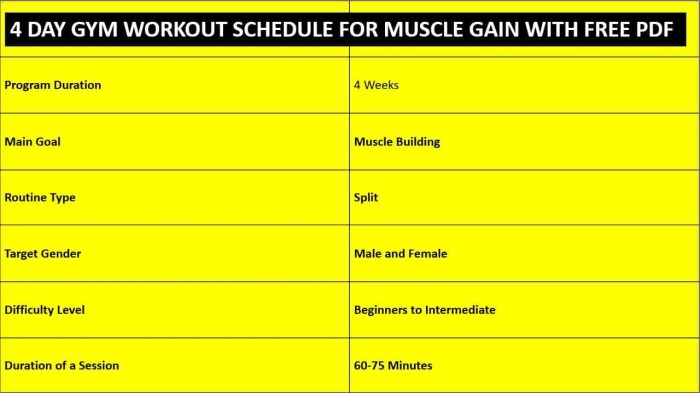
Balanced nutrition plays a crucial role in supporting muscle growth and recovery. It provides the necessary nutrients for muscle repair, growth, and overall performance. In addition to a well-structured workout routine, maintaining a balanced diet can significantly enhance the results of your fitness goals.
Macronutrients and Micronutrients for Muscle Gain
- Protein: Essential for muscle repair and growth. Sources include lean meats, poultry, fish, eggs, dairy, legumes, and plant-based protein sources like tofu and tempeh.
- Carbohydrates: Provide energy for workouts and replenish glycogen stores. Opt for complex carbohydrates like whole grains, fruits, vegetables, and legumes.
- Fats: Important for hormone production and overall health. Include healthy fats from sources like avocados, nuts, seeds, and olive oil.
- Vitamins and Minerals: Support various bodily functions, including muscle function and recovery. Ensure adequate intake of vitamins A, C, D, E, K, as well as minerals like calcium, magnesium, and iron.
Complementing Workout Routines with Balanced Nutrition
Maintaining a balanced diet that includes the right mix of macronutrients and micronutrients can optimize your workout performance and results. Proper nutrition supports muscle recovery, reduces the risk of injury, and enhances overall strength and endurance. By fueling your body with the right nutrients, you can maximize the benefits of your exercise regimen and achieve your muscle gain goals more effectively.
Mental Strength
Mental strength plays a crucial role in achieving and maintaining fitness goals, especially when aiming for muscle gain. It is the foundation that helps individuals stay consistent, focused, and resilient throughout their fitness journey.
Strategies for Improving Mental Resilience
- Practice mindfulness and meditation to improve focus and reduce stress levels.
- Set realistic goals and celebrate small victories to boost motivation.
- Establish a routine and stick to it, creating a sense of discipline and commitment.
- Seek support from a coach, mentor, or workout buddy to stay accountable and motivated.
Impact of Mental Strength on Physical Performance, Fitness goals for muscle gain
Having strong mental resilience can positively impact physical performance in various ways:
- Enhanced focus and concentration during workouts, leading to better form and technique.
- Increased motivation and determination to push through challenging exercises or plateaus.
- Reduced risk of burnout or fatigue, allowing for consistent progress and recovery.
- Improved overall well-being and mental health, creating a positive cycle of physical and mental wellness.
Yoga Practice
Incorporating yoga into a fitness routine can have numerous benefits for muscle gain and flexibility. Yoga helps to improve overall body strength, enhance flexibility, reduce the risk of injuries, and promote relaxation and stress relief.
Yoga Poses for Muscle Strengthening
- Downward Facing Dog: Strengthens the arms, shoulders, and core muscles.
- Warrior II: Targets the legs, core, and arms for overall strength building.
- Plank Pose: Engages the core, arms, and legs for a full-body workout.
Yoga for Recovery
- Pigeon Pose: Relieves tension in the hips and lower back, aiding in muscle recovery.
- Child’s Pose: Helps to stretch the back, shoulders, and hips, promoting relaxation and recovery.
- Corpse Pose: Encourages relaxation and rest, allowing the body to recover and rejuvenate.
Synergy Between Yoga and Strength Training
Yoga and traditional strength training can complement each other for holistic fitness goals. While strength training focuses on building muscle mass and increasing strength, yoga helps to improve flexibility, balance, and overall body awareness. By incorporating both practices into a fitness routine, individuals can achieve a well-rounded approach to fitness that targets muscle gain, flexibility, and overall wellness.
Health Education
Health education plays a crucial role in creating awareness about muscle gain strategies and techniques. By providing individuals with the necessary knowledge and information, health education helps them make informed decisions to achieve their fitness goals effectively.
Role of Health Education in Muscle Gain
Health education resources and platforms offer reliable information for individuals pursuing muscle growth. These sources provide insights into workout routines, nutritional guidelines, recovery techniques, and overall wellness practices that contribute to muscle gain. By accessing credible health education information, individuals can tailor their fitness plans to optimize muscle growth and achieve sustainable results.
Importance of Continuous Learning
Continuous learning and staying informed about health trends are essential in achieving fitness goals. Health education evolves with new research findings, technological advancements, and best practices in the fitness industry. By staying up-to-date with the latest information, individuals can adapt their muscle gain strategies, incorporate innovative techniques, and avoid outdated or ineffective methods. Continuous learning ensures that individuals are equipped with the knowledge and skills needed to progress towards their fitness goals efficiently.
Weight Management: Fitness Goals For Muscle Gain
When it comes to muscle gain, weight management plays a crucial role in achieving optimal results. It is important to strike a balance between building muscle mass and controlling overall body weight for long-term health and fitness.
Strategies for Maintaining a Healthy Weight While Focusing on Muscle Building
- Focus on nutrient-dense foods: Prioritize lean proteins, healthy fats, and complex carbohydrates to support muscle growth while managing your weight.
- Monitor calorie intake: Keep track of your daily caloric needs to ensure you are consuming enough to support muscle growth without exceeding your energy requirements.
- Incorporate strength training: Engage in regular resistance training exercises to build muscle mass, which can help boost your metabolism and support weight management.
- Stay hydrated: Drinking an adequate amount of water is essential for overall health and can aid in weight management by promoting satiety and proper bodily functions.
Impact of Weight Fluctuations on Muscle Development and Overall Fitness Progress
Weight fluctuations can have a significant impact on muscle development and overall fitness progress. Rapid weight loss or gain can result in muscle loss, decreased strength, and hindered performance in physical activities. It is important to focus on gradual, sustainable changes in weight to support muscle growth and maintain overall health.
Health Checkups
Regular health checkups play a crucial role in monitoring progress towards muscle gain goals. These checkups help individuals track their overall health status, identify any potential issues, and make necessary adjustments to their fitness routine to optimize muscle development.
Medical screenings conducted during health checkups are essential for identifying underlying health conditions that may hinder muscle growth. By detecting issues such as vitamin deficiencies, hormonal imbalances, or cardiovascular problems early on, individuals can address these concerns with the help of healthcare professionals and ensure they are on the right track towards achieving their muscle gain goals.
Routine health checkups not only focus on physical health but also contribute to overall well-being and fitness success. By taking a holistic approach to health, individuals can address any potential barriers to muscle development, improve their overall fitness levels, and enhance their quality of life in the long run.
Skin Health
Skin health plays a crucial role in achieving muscle gain goals, as it reflects the overall health of the body and can be impacted by various factors such as hydration, nutrition, and skincare routines. Individuals engaged in intense workout routines for muscle building need to pay attention to their skin health to support their fitness journey.
Skincare Tips for Muscle Builders
- Stay hydrated: Drink plenty of water throughout the day to keep your skin hydrated and healthy, especially during intense workouts that can lead to dehydration.
- Use sunscreen: Protect your skin from harmful UV rays by applying sunscreen before outdoor workouts to prevent premature aging and skin damage.
- Cleanse gently: Wash your face with a gentle cleanser to remove sweat and dirt after workouts, avoiding harsh products that can strip the skin of its natural oils.
- Moisturize regularly: Keep your skin moisturized to maintain its elasticity and prevent dryness, especially after showering or sweating during workouts.
- Eat a balanced diet: Include foods rich in antioxidants, vitamins, and minerals to promote skin health and repair, supporting your muscle gain goals.
Impact of Hydration, Nutrition, and Skincare on Skin Health
Hydration, nutrition, and skincare routines play a significant role in maintaining skin health during muscle gain journeys. Adequate hydration helps in flushing out toxins from the body, while proper nutrition provides essential nutrients for skin repair and rejuvenation. Following a consistent skincare routine can help prevent acne, inflammation, and other skin issues that may arise due to intense workouts.
Emotional Health
Emotional well-being plays a crucial role in achieving fitness goals for muscle gain. It is essential to address and manage stress, anxiety, and other emotional challenges that may impact workout performance.
Strategies for Managing Emotional Challenges
- Practice mindfulness and deep breathing exercises to reduce stress levels.
- Engage in activities that bring you joy and relaxation, such as hobbies or spending time in nature.
- Seek support from friends, family, or a therapist to talk about your emotions and concerns.
- Establish a consistent sleep routine to ensure adequate rest and recovery.
Link Between Emotional Health and Physical Results
Emotional health directly influences physical outcomes when it comes to muscle development. High stress levels can lead to increased cortisol production, which can hinder muscle growth and recovery. On the other hand, a positive mindset and emotional balance can enhance motivation, focus, and overall performance in the gym.
Health Motivation
Staying motivated and committed to muscle gain goals can be challenging, but there are strategies to help you stay on track. Motivation plays a crucial role in maintaining a fitness routine and reaching your objectives. Both intrinsic (internal) and extrinsic (external) factors can drive your motivation levels. Here are some tips and techniques to keep you inspired on your muscle gain journey:
Tips for Staying Motivated
- Set specific and realistic goals: Define clear, achievable targets to work towards.
- Celebrate small victories: Acknowledge and reward yourself for progress, no matter how small.
- Find a workout buddy: Having a partner can provide accountability and support.
- Mix up your routine: Keep things interesting by trying new exercises or activities.
- Visualize success: Imagine achieving your muscle gain goals to stay motivated.
Role of Intrinsic and Extrinsic Motivation
Intrinsic motivation comes from within, driven by personal satisfaction and enjoyment of the activity itself. Extrinsic motivation, on the other hand, involves external rewards or recognition. While both types of motivation can be effective, intrinsic motivation tends to be more sustainable in the long run.
Motivational Techniques
- Positive self-talk: Encourage yourself with affirmations and positive thoughts.
- Reward system: Treat yourself to a healthy snack or a relaxing activity after a workout.
- Track progress: Keep a workout journal or use fitness apps to monitor your improvements.
- Join a fitness community: Surround yourself with like-minded individuals for support and motivation.
- Reward milestones: Set up rewards for reaching specific milestones in your muscle gain journey.
Physical Activities

Regular physical activities play a crucial role in muscle gain and overall fitness progress. Engaging in a variety of exercises helps target different muscle groups, prevent plateaus, and enhance strength and endurance.
Importance of Cross-Training
Cross-training involves incorporating a mix of exercises into your workout routine to challenge the body in different ways. This not only helps prevent overuse injuries but also promotes muscle growth and overall fitness improvement. Examples of cross-training exercises that complement muscle-building workouts include:
- Swimming: Provides a full-body workout and helps improve cardiovascular fitness.
- Yoga: Enhances flexibility, balance, and muscle recovery.
- Cycling: Builds leg strength and endurance while being low-impact on joints.
- HIIT (High-Intensity Interval Training): Boosts metabolism and helps burn fat while preserving muscle mass.
Diversifying Physical Activities
By diversifying your physical activities, you can target different muscle groups, prevent boredom, and continue to progress in your fitness journey. Mixing up your routine with various exercises not only challenges your body but also keeps you motivated to achieve your muscle gain goals. Remember to listen to your body, rest when needed, and stay consistent with your workout regimen to see optimal results.
Health Awareness
Health awareness plays a crucial role in the journey of individuals pursuing muscle gain. By understanding the importance of various health-related topics, fitness enthusiasts can make informed decisions that will positively impact their overall well-being.
Promoting Health Awareness
- Engage in social media campaigns that provide information on nutrition, exercise, and overall health practices.
- Attend health fairs and workshops that focus on educating individuals about the importance of maintaining a healthy lifestyle.
- Utilize online resources such as reputable health websites and forums to stay updated on the latest health trends and research.
Community Support and Education
- Join fitness groups or clubs that promote a culture of health awareness and provide a supportive environment for individuals looking to improve their fitness levels.
- Participate in community-based programs that offer health education sessions, workshops, and seminars on topics related to muscle gain and overall well-being.
- Collaborate with health professionals, such as personal trainers, nutritionists, and doctors, to receive personalized guidance and support on your fitness journey.
Preventive Medicine
Preventive medicine plays a crucial role in optimizing health outcomes for individuals focusing on muscle gain. By incorporating preventive measures and practices, individuals can reduce the risk of injuries and setbacks during their muscle-building efforts. These strategies not only help in preventing health issues but also enhance the longevity and sustainability of fitness goals.
Importance of Preventive Measures
- Regular Stretching and Warm-up: Prior to engaging in any intense workout, it is essential to perform stretching exercises to increase flexibility and prevent muscle strains.
- Proper Form and Technique: Ensuring correct form while lifting weights or performing exercises can significantly reduce the risk of injuries.
- Rest and Recovery: Adequate rest between workout sessions and prioritizing recovery time allows muscles to repair and grow effectively.
- Hydration and Nutrition: Staying hydrated and consuming a balanced diet rich in protein, vitamins, and minerals is vital for muscle recovery and overall health.
- Listening to Your Body: Paying attention to any signs of pain or discomfort and addressing them promptly can prevent more serious injuries in the long run.
Nutritional Counseling
Nutritional counseling plays a crucial role in providing individuals with personalized dietary guidance to support their muscle gain goals. By seeking the expertise of a nutritional counselor, individuals can benefit from tailored meal plans designed to optimize their fitness journey.
Benefits of Nutritional Counseling
- Assessment of Current Diet: Nutritional counselors can analyze an individual’s current dietary habits and identify areas for improvement to enhance muscle growth.
- Customized Meal Plans: Professionals can create personalized meal plans that align with specific fitness goals, ensuring adequate nutrient intake for muscle gain.
- Educational Support: Nutritional counselors offer valuable insights into proper nutrition, helping individuals make informed choices to support their muscle-building efforts.
- Monitoring Progress: Regular sessions with a nutritional counselor allow for tracking progress and making necessary adjustments to dietary strategies based on changing fitness needs.
Healthy Mind
Maintaining a healthy mind is crucial for achieving successful muscle gain outcomes. A positive mindset and mental resilience play a significant role in overcoming challenges and staying motivated throughout your fitness journey. Mental well-being is closely linked to physical health, and a strong mind can help you push through barriers and reach your fitness goals.
Practices for Cultivating a Positive Mindset
- Practice mindfulness and meditation to reduce stress and improve focus.
- Acknowledge and challenge negative thoughts to promote a more optimistic outlook.
- Set realistic goals and celebrate small victories along the way to boost confidence.
- Surround yourself with a supportive community or seek guidance from a health coach or therapist.
Importance of Mental Well-Being in Fitness Journeys
- Having a healthy mind can help you stay consistent with your workout routine and nutrition plan.
- Reducing mental stress can prevent emotional eating or other unhealthy habits that may hinder muscle gain progress.
- Mental resilience can help you push through tough workouts and stay motivated to achieve your fitness goals.
- A positive mindset can improve overall well-being and contribute to long-term success in maintaining muscle mass.
FAQ Insights
How important is it to set specific fitness goals for muscle gain?
Setting specific fitness goals is crucial for muscle gain as it provides a clear roadmap for progress and keeps you focused on achieving tangible results.
What are some examples of short-term fitness goals related to muscle gain?
Short-term goals could include increasing weight lifted in specific exercises, adding an extra set to your routine, or improving form for better muscle engagement.
How can wellness programs enhance muscle gain results?
Wellness programs focusing on strength training and muscle building can provide structured routines, expert guidance, and a supportive community to boost motivation and maximize muscle development.


More Stories