Introduction to Rotator Cuff Injuries
A rotator cuff injury refers to damage or inflammation to the muscles and tendons that surround the shoulder joint. These injuries are common and can result from various causes, including overuse, trauma, or degeneration over time.
Common Causes of Rotator Cuff Injuries
- Repetitive overhead movements, such as in sports like baseball or tennis
- Trauma from a fall or sudden impact
- Age-related degeneration of the tendons
Symptoms of Rotator Cuff Injuries
- Pain in the shoulder, especially when lifting or reaching
- Weakened shoulder muscles
- Difficulty in performing daily activities that involve the affected shoulder
Importance of Early Diagnosis and Treatment
Early diagnosis and treatment of rotator cuff injuries are crucial to prevent further damage and improve recovery outcomes. Ignoring the symptoms or delaying treatment can lead to chronic pain, reduced mobility, and even permanent disability. Seeking medical attention promptly and following a tailored treatment plan can help individuals regain strength and function in their shoulder.
Physical Therapy Approaches for Rotator Cuff Injuries
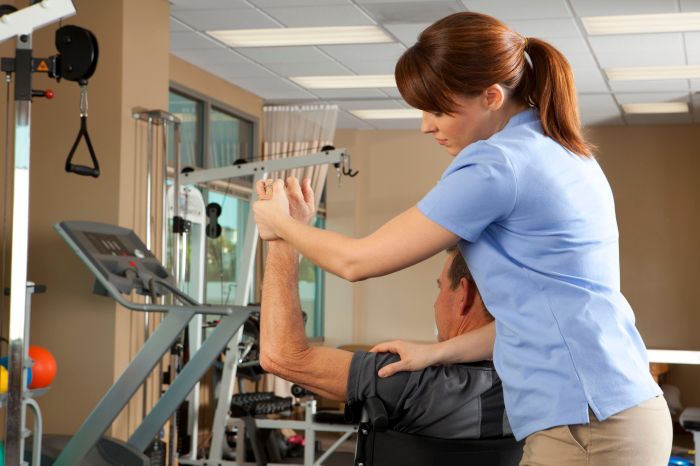
Physical therapy plays a crucial role in the recovery process for rotator cuff injuries. It aims to improve strength, flexibility, and function of the shoulder, ultimately reducing pain and restoring range of motion.
Different Physical Therapy Techniques
- Manual Therapy: This involves hands-on techniques by a physical therapist to manipulate and mobilize the shoulder joint, improving flexibility and reducing stiffness.
- Therapeutic Exercises: Specific exercises are prescribed to strengthen the muscles surrounding the rotator cuff, enhancing stability and supporting the injured area.
- Modalities: Techniques such as ultrasound, heat, or ice therapy may be used to reduce inflammation, alleviate pain, and promote healing.
- Functional Training: Patients are guided through movements that mimic their daily activities to improve coordination and functional abilities.
Role of Physical Therapy in Recovery
Physical therapy helps in restoring normal function and range of motion to the shoulder joint after a rotator cuff injury. It focuses on strengthening the muscles, improving flexibility, and correcting movement patterns to prevent further damage.
Benefits of Physical Therapy
- Improved Range of Motion: Physical therapy exercises and techniques help in increasing the flexibility of the shoulder joint, allowing for a wider range of motion.
- Reduced Pain: By strengthening the muscles and improving stability, physical therapy can alleviate pain associated with rotator cuff injuries.
- Prevention of Recurrence: Through targeted exercises and education on proper shoulder mechanics, physical therapy can reduce the risk of future injuries.
Exercises for Rotator Cuff Rehabilitation
Physical therapy for rotator cuff injuries – When it comes to rehabilitating a rotator cuff injury, specific exercises play a crucial role in strengthening the muscles and promoting healing. These exercises are designed to target the rotator cuff muscles and improve mobility and function in the shoulder.
Examples of Specific Exercises
- Internal and External Rotation Exercises: These exercises involve using resistance bands or light weights to strengthen the muscles responsible for internal and external rotation of the shoulder.
- Scapular Retraction Exercises: These exercises focus on strengthening the muscles that stabilize the shoulder blades, which can help reduce the risk of further injury.
- Shoulder Flexion and Abduction Exercises: These exercises target the muscles responsible for lifting the arm overhead and out to the side, improving range of motion and strength.
How These Exercises Help
By performing these specific exercises regularly, individuals can improve blood flow to the injured area, promote muscle growth, and increase stability in the shoulder joint. These exercises also help prevent muscle imbalances and reduce the risk of re-injury.
Frequency and Intensity
It is essential to follow a structured rehabilitation program prescribed by a physical therapist or healthcare professional. Typically, exercises should be performed 3-5 times a week, with a focus on proper form and technique. Starting with low to moderate intensity and gradually increasing as strength improves is key to effective rehabilitation.
Lifestyle Changes to Support Rotator Cuff Healing
When dealing with a rotator cuff injury, making certain lifestyle changes can significantly aid in the healing process and prevent further damage. Proper posture, ergonomics, nutrition, and hydration play crucial roles in promoting tissue healing and recovery.
Importance of Proper Posture and Ergonomics
Correct posture and ergonomics are essential in preventing exacerbation of rotator cuff injuries. Here are some key points to consider:
- Avoid slouching or hunching over, as this can put unnecessary strain on the shoulders.
- Ensure your workspace is ergonomically friendly, with proper chair height and desk setup to support good posture.
- Practice proper lifting techniques to avoid straining the shoulders.
Role of Nutrition and Hydration
Nutrition and hydration play a vital role in tissue healing and recovery. Here are some tips to support rotator cuff healing:
- Include foods rich in vitamins C and E, as well as protein, to promote tissue repair.
- Stay hydrated by drinking an adequate amount of water throughout the day to support overall healing processes.
- Avoid excessive consumption of inflammatory foods, such as processed sugars and trans fats, which can hinder the healing process.
Prevention Strategies for Rotator Cuff Injuries
Preventing rotator cuff injuries is crucial in maintaining shoulder health and avoiding pain and limitations in daily activities. By identifying risk factors and implementing preventive strategies, individuals can reduce the likelihood of developing these injuries.
Identifying Risk Factors and Mitigation, Physical therapy for rotator cuff injuries
- Age: As we age, the risk of rotator cuff injuries increases. To mitigate this risk, individuals can focus on strengthening the muscles surrounding the shoulder joint through targeted exercises.
- Overuse: Repetitive overhead movements or lifting heavy weights can strain the rotator cuff muscles. It is essential to incorporate rest periods and proper form when engaging in these activities to prevent overuse injuries.
- Poor Posture: Incorrect posture can place unnecessary stress on the shoulders, leading to increased risk of injuries. Ergonomic adjustments in workstations and daily activities, such as using supportive chairs and maintaining proper posture, can help reduce this risk.
Ergonomic Practices for Prevention
- Ensure proper workstation setup: Adjust the height of desks and chairs to maintain neutral wrist and shoulder positions while working.
- Lift objects correctly: When lifting heavy objects, use proper lifting techniques to avoid straining the shoulder muscles.
- Avoid prolonged overhead activities: Limit overhead movements and take breaks to prevent overuse injuries.
Tips for Maintaining Shoulder Health
- Stay active: Regular exercise that includes shoulder strengthening and flexibility exercises can help maintain shoulder health and prevent injuries.
- Warm-up before physical activities: Prioritize warming up the shoulders before engaging in sports or exercise to prepare the muscles for movement.
- Listen to your body: Pay attention to any discomfort or pain in the shoulders and seek medical attention if necessary to prevent further injuries.
Integrative Approaches to Rotator Cuff Care
Acupuncture and massage are two complementary therapies that can be beneficial for individuals with rotator cuff injuries. These alternative treatments can help reduce pain, improve circulation, and promote healing in the affected area.
Acupuncture for Rotator Cuff Injuries
- Acupuncture involves the insertion of thin needles into specific points on the body to alleviate pain and promote healing.
- Studies have shown that acupuncture can help reduce inflammation and improve range of motion in the shoulder joint.
- Regular acupuncture sessions may complement traditional physical therapy and enhance overall recovery outcomes for rotator cuff injuries.
Massage Therapy for Rotator Cuff Injuries
- Massage therapy can help relieve muscle tension, improve blood flow, and reduce pain associated with rotator cuff injuries.
- Various massage techniques such as deep tissue massage or myofascial release can target specific areas of tension and promote relaxation in the shoulder muscles.
- Combining massage therapy with other treatment modalities like physical therapy can lead to a comprehensive approach to rotator cuff care.
Mindfulness Practices for Rotator Cuff Care
- Yoga, a mindfulness practice, can help individuals with rotator cuff injuries manage pain, improve flexibility, and enhance overall well-being.
- Regular yoga practice can promote relaxation, reduce stress levels, and increase body awareness, which can be beneficial for shoulder rehabilitation.
- Integrating mindfulness practices like yoga into a rotator cuff care plan can support physical and mental health aspects of recovery.
Multidisciplinary Approach for Rotator Cuff Care
- A multidisciplinary approach to rotator cuff care involves collaborating with healthcare professionals from different fields such as physical therapy, nutrition, and mental health.
- By addressing various aspects of health and well-being, including physical, nutritional, and psychological factors, individuals can experience a holistic approach to rotator cuff rehabilitation.
- This comprehensive approach aims to optimize recovery outcomes, improve overall quality of life, and prevent future injuries through a well-rounded care plan.
FAQ Resource: Physical Therapy For Rotator Cuff Injuries
Can rotator cuff injuries heal without physical therapy?
While some minor injuries may improve with rest and time, physical therapy plays a crucial role in enhancing recovery, restoring function, and preventing re-injury.
How soon should one start physical therapy after a rotator cuff injury?
It is recommended to start physical therapy as soon as possible after a rotator cuff injury to prevent stiffness, improve range of motion, and promote healing.
Are there specific exercises to avoid during rotator cuff rehabilitation?
Exercises that place excessive strain on the shoulder joint should be avoided during rehabilitation to prevent further damage to the rotator cuff muscles.
Is surgery always necessary for rotator cuff injuries, or can physical therapy suffice?
In many cases, physical therapy can effectively treat rotator cuff injuries without the need for surgery. However, the severity of the injury and individual circumstances may influence the treatment approach.


More Stories